Lot No. LOT-1050 · offered September 29, 2026
Ag Finance & InvestmentLot sheet
NZ Super Injects $50 Million Into Domain's Dedicated Timber Account
NZ Super has added $50 million to its separate timber account with Domain; manager Don Warden says half is already planned, with full deployment due by mid-2027.
Market notes
- NZ Super has committed an additional $50 million to its separate timber account managed by Domain.
- Domain managing director and co-head Don Warden says plans already exist for about half of the new capital.
- Domain expects to invest the remaining capital by the middle of 2027.
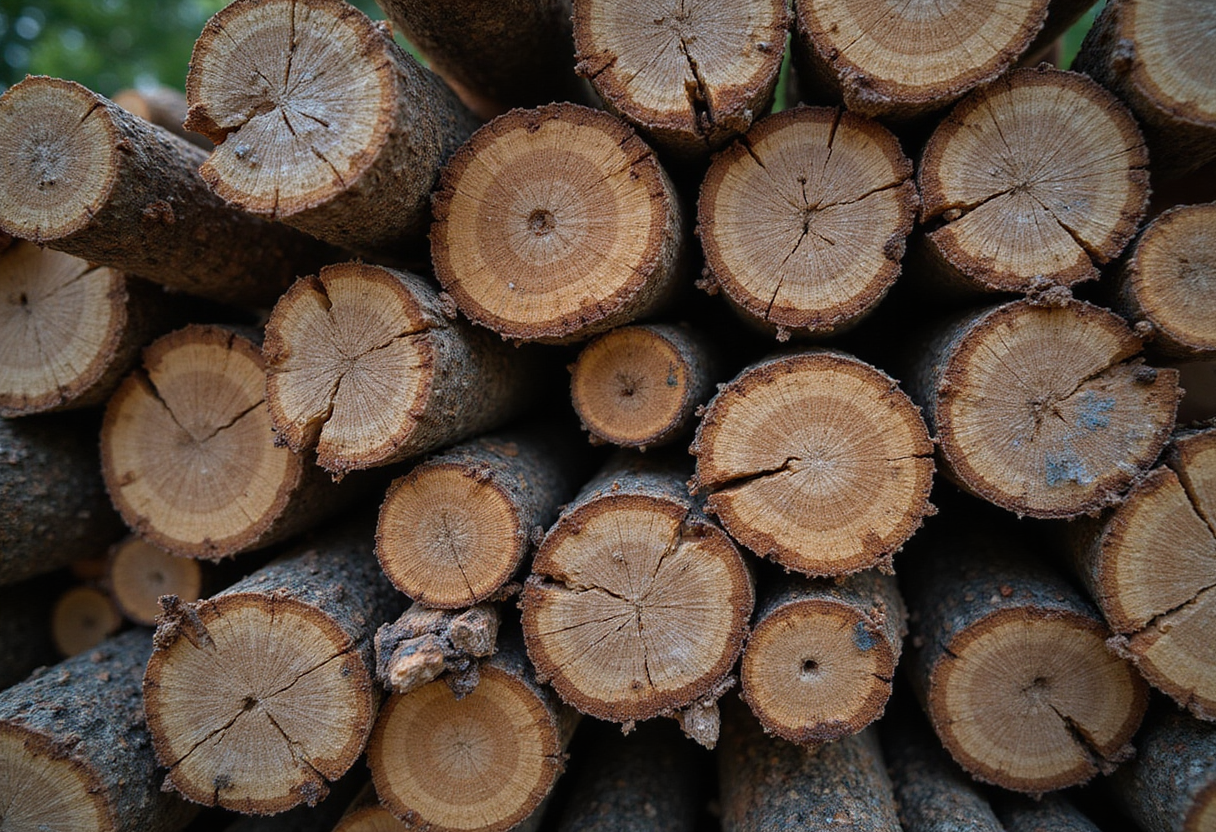
The New Zealand Superannuation Fund has committed an additional $50 million to the separate timber account it holds with Domain, a capital injection that extends one of the fund's longest-running specialized rural asset positions and keeps plantation forestry on its alternative-asset roster at a time when input costs and land-use competition are reshaping grower economics.
Domain managing director and co-head Don Warden says the firm already has plans for about half of the new capital. He expects Domain to invest the remainder by the middle of 2027 — a deployment window that gives the timber manager roughly two and a half years to put the fresh money to work across its forestry portfolio.
What the Commitment Signals
A $50 million top-up is a deliberate, incremental move rather than a headline-grabbing allocation, and its structure tells institutional investors and forestry stakeholders several things.
First, the commitment signals sustained institutional appetite for timber as an asset class. Plantation forestry sits apart from row-crop agriculture in its cash-flow profile: harvest revenue arrives in long cycles, thinning and silviculture costs land early in the rotation, and returns depend heavily on log prices, export demand, freight rates and harvest volumes at the point of felling. Investors such as NZ Super, which manages retirement savings with a multi-decade horizon, can absorb those cycles in ways that family growers and smaller forest owners cannot. An added allocation suggests the fund's trustees see the risk-adjusted return case for timber as intact.
Second, the phased deployment plan matters for the market. With half the capital already mapped to specific plans, Domain is not sitting on dry powder waiting for opportunities to surface. Warden's stated timeline — full deployment by mid-2027 — indicates the manager has identified a pipeline of transactions, whether land acquisitions, stand purchases, replanting programs or harvest-schedule extensions, sufficient to absorb the balance within a defined window.
Why Staged Deployment Matters in Forestry
For readers tracking rural land and fiber markets, the pacing detail is the more consequential fact in the announcement. Forestry capital does not deploy the way row-crop working capital does. A new forest investment commits capital to land, seedlings, establishment and pruning years before any harvest revenue arrives, and mid-rotation costs continue whether log markets are strong or weak. A manager that has already committed half of a fresh allocation has effectively locked in its near-term silviculture and acquisition schedule, reducing uncertainty for contractors, log transport operators and mill buyers who plan around harvest volumes.
The remaining half represents optionality. Between now and mid-2027, Domain can respond to log price movements, export demand shifts or land-market opportunities before committing the balance. That flexibility is a hedge against buying timberland or standing crop at the wrong point in the price cycle.
The Institutional Context
Separate accounts of this kind give a single investor dedicated exposure to a strategy, with the assets managed on its behalf rather than commingled with other investors' capital. The structure suits NZ Super's approach to specialized sectors such as timber, where the fund has historically favored direct, transparent control over its rural and natural-resource holdings. An incremental $50 million add-on to an existing separate account is consistent with a fund scaling a position it already knows well, rather than opening a new strategy from a standing start.
For the broader agribusiness and forestry sector, the announcement is a data point on institutional capital flows into production assets. When a savings fund with long-dated liabilities adds money to timber, it effectively underwrites planting, management and harvest activity over coming rotations — activity that supports regional employment in planting, thinning, haulage and processing, and that competes with pastoral farming and horticulture for land in the districts where forests can grow.
Warden's mid-2027 deployment target now serves as the milestone to watch. Whether Domain hits that window on schedule, and what the fund's next timber allocation looks like when the current tranche is fully invested, will show whether institutional commitment to forestry keeps deepening or holds at this measured pace.
via Agri Investor (Source)
More from Olivia Hart
Show full bio
News editor covering media and advertising at Agribusiness Wire.
137 articles
Also in the yard
- Vermont Pension Eyes $30 Million Farmland Secondaries Deal
- Roc Partners flags weather shocks as key risk for Australian farmland
- Verdex Capital Backs IIF's Farm Investment Platform Push Into Canada
- Farmland Investors Eye Climate Risk as Core Asset Driver
- Balwaan Krishi Raises Rs 100 Crore in Series B Round