Lot No. LOT-7934 · offered September 29, 2026
Seeds, Crop Protection & FertilizerLot sheet
Nitrogen Stays Costly for Growers Even as Natural Gas Prices Ease
Natural gas costs have fallen, but nitrogen fertilizer prices have not followed. Structural forces keep farm-gate nitrogen expensive despite cheaper feedstock.
Market notes
- Nitrogen fertilizer prices remain high despite lower natural gas costs, breaking the usual feedstock-price relationship.
- Global trade dynamics, producer consolidation, production lags and trade policy all limit pass-through of cheaper gas to farmers.
- Demand for nitrogen is largely price-inelastic, since farmers risk yield losses by cutting applications.
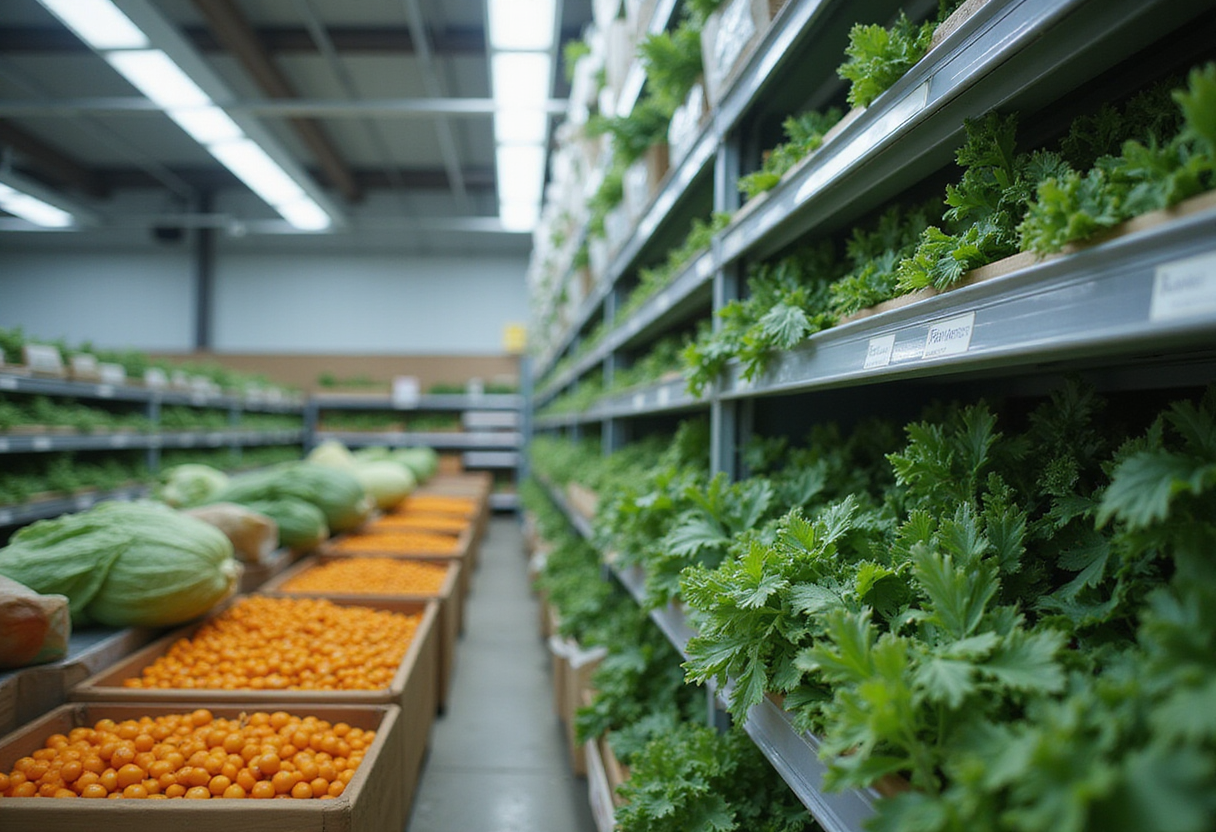
Natural gas is the single largest cost component in producing ammonia, the building block for nearly every nitrogen fertilizer farmers apply. Yet the fertilizer market is not behaving the way the input-cost math says it should. Gas costs have come down from their recent peaks, and nitrogen prices at the farm-gate have not followed.
That disconnect — what analysts have begun calling the nitrogen paradox — matters directly for growers planning their nutrient programs. When the spread between feedstock costs and finished-product prices widens, the margin accrues to producers and importers, not to the farm. For row-crop operations, nitrogen is typically one of the largest variable input lines after seed and crop-protection chemistry, so a stubborn price floor reshapes pre-plant budgeting, application timing decisions and, in some cases, crop mix.
The economics of nitrogen production are straightforward on paper. Ammonia is manufactured by reacting atmospheric nitrogen with hydrogen derived from natural gas, and gas can represent the majority of the cash cost of running an ammonia plant. When gas prices fall, the theoretical cost curve for urea, UAN, ammonium nitrate and anhydrous ammonia shifts down with them. Sellers, in a competitive market, should eventually pass some of that savings through.
In practice, the pass-through has been partial at best. Several structural factors explain why finished fertilizer prices can decouple from their feedstock, even over an extended period.
First, nitrogen is a globally traded commodity, and regional prices arbitrage against one another. Producers with access to cheap gas can sell into whichever market offers the best netback. That means the price a farmer pays reflects conditions in export basins far from home, not just the gas price at the nearest hub. A plant running on inexpensive feedstock has no incentive to discount domestically if overseas buyers will pay more.
Second, supply discipline matters. The fertilizer industry consolidated significantly over the past two decades, and a smaller number of large producers can manage plant turnarounds, export schedules and inventory in ways that support prices. unplanned outages, planned maintenance and logistics disruptions all tighten availability independently of what gas costs.
Third, there is a lag. Fertilizer manufactured today reflects gas purchased weeks or months earlier under contract terms that do not move with spot markets. Retailers, in turn, buy product ahead of the application season and price it against their own acquisition costs. Growers watching daily gas quotes may still be buying fertilizer effectively priced off last quarter's energy market.
Fourth, trade policy has fragmented the market. Sanctions on major producers, export restrictions from supplying countries, tariffs and antidumping duties have all rerouted trade flows since 2022. Those frictions add cost and reduce the efficiency with which cheaper production anywhere in the world translates into cheaper fertilizer everywhere.
Fifth, demand has held up. Global grain and oilseed acreage remains large, and farmers apply nitrogen almost regardless of price, because skipping it costs yield. That demand inelasticity gives sellers pricing power that few other crop inputs enjoy.
For growers, the practical consequence is that energy markets alone are a poor predictor of fertilizer budgets. A falling gas price chart does not guarantee relief at the retailer, and procurement strategies built on that assumption can leave operations exposed. Buying decisions increasingly need to weigh forward pricing opportunities, storage capacity and alternative nitrogen products against agronomic requirements rather than waiting for a feedstock-driven decline that may not arrive on schedule.
The paradox also carries a policy dimension. Fertilizer affordability has drawn attention from lawmakers concerned about farm margins and food costs, and any intervention — from tariff relief to domestic production incentives — would interact with the same trade flows and consolidation dynamics that sustain high prices in the first place.
How long the disconnect persists depends on the balance of new production capacity coming online globally against demand growth and trade frictions. Until additional supply forces competition at the farm-gate, growers should plan on nitrogen remaining expensive relative to its feedstock cost — whatever natural gas does next.
via Google News: Fertilizer markets (Source)
More from Grace Kim
Show full bio
Correspondent covering industry trends and analytics at Agribusiness Wire.
159 articles
Also in the yard
- Anhydrous Ammonia Prices Jump 25%, Squeezing U.S. Farm Margins
- Atlantic Council: US Gas Abundance Could Ease Fertilizer Prices
- Conflict Drives Fertilizer Prices Higher, Squeezing US Farm Margins
- Anhydrous Ammonia Crosses $1,000 Per Ton as Fertilizer Prices Climb
- Minnesota Firm Targets Nitrogen Loss as Fertilizer Prices Swing