Lot No. LOT-8006 · offered October 19, 2026
Seeds, Crop Protection & FertilizerLot sheet
New Crop Protection Firm Unveils Herbicide, Details Undisclosed
A new crop-protection company announced an herbicide launch, but the public filing omits firm name, active ingredient, target crops and EPA registration status expected in standard launch releases.
Market notes
- Announcement distributed through AgWired; reviewed by Agribusiness Wire
- Active ingredient, formulation type, and EPA registration status not disclosed in the public filing
- No labeled crop spectrum, target weed spectrum, or pricing provided
- No university trial data, extension cooperator, or yield comparison cited
- Company name, founding date, and distribution partner absent from filing
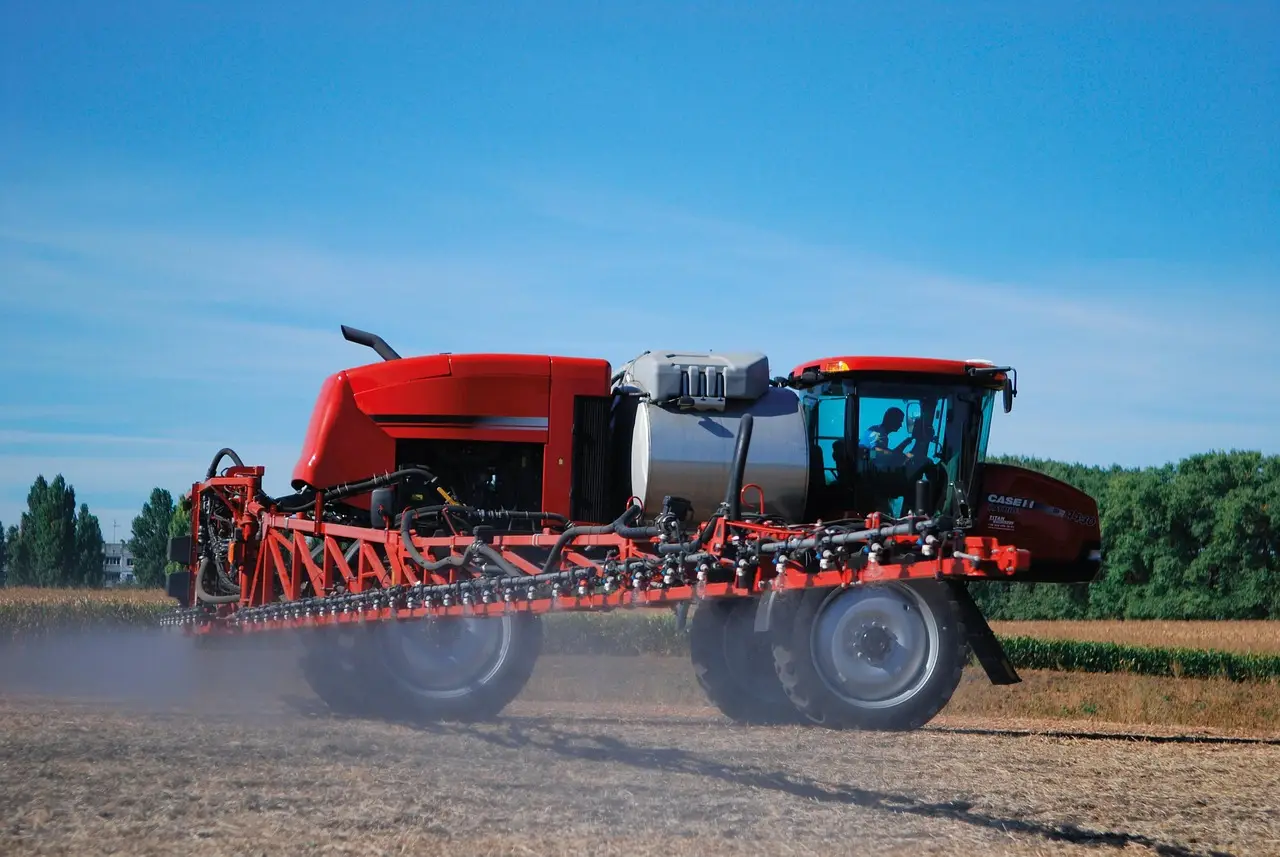
A new crop protection company has announced an herbicide launch, though the public disclosure reviewed by Agribusiness Wire leaves the firm unnamed, the active ingredient undisclosed, and the target crop-weed complex unspecified. The brief announcement, distributed through AgWired, gives readers little beyond a category marker: a new entrant in the herbicide market. No registration number, label crop list, application timing or pricing accompanies the filing. That pattern raises immediate questions about what growers and retailers will actually receive and when.
What does a typical herbicide launch disclosure include?
In herbicide introductions tracked by trade publications, the standard package usually carries a brand name, an EPA registration number or pending status, the active ingredient or proprietary blend, the labeled crop-and-weed matrix, the application window, and an introductory pricing structure. The disclosed announcement contains none of these data points. That absence is the story, not the launch itself: a nameplate announcement without chemistry, target or timing reads as a corporate signal rather than a purchase-ready product.
What context surrounds the U.S. herbicide market?
The U.S. herbicide market has shifted as several long-residual chemistries face label or regulatory restrictions and patent cliffs free generic competition. Generic glyphosate, glufosinate, dicamba and 2,4-D formulations now dominate post-patent volume, while newer modes of action — PPO inhibitors, HPPD inhibitors, auxin mimics and lipid biosynthesis inhibitors — have grown share in trait stacks, specialty crops and resistant-weed programs. Without an active ingredient disclosure, analysts cannot place the new entrant in that matrix. That gap matters for buyers: herbicide performance hinges on mode of action, resistance-management profile and rotation compatibility with trait platforms such as Xtend, Enlist and LibertyLink.
How will growers and retailers evaluate the product?
Distributors typically require at least two growing seasons of university extension trial data before recommending a new herbicide at meaningful scale. The announcement, as filed, contains no trial citation, no extension cooperator, no yield comparison and no university label. Cooperatives such as CHS and Growmark, along with independent retailers, generally price such unknowns below existing chemistries until replicated data accumulates. A skeptical agronomist treats undisclosed chemistry as undisclosed risk. The company will likely need to publish replicated results before any retailer recommendation sheet adds the product for the 2026 planting season.
What questions does the announcement leave open?
The disclosure does not specify the company name, founding date, manufacturing location, active ingredient, formulation type, labeled crop spectrum, target weed spectrum, EPA registration status, geographic launch territory, pricing tier or distribution partner. Each of those items is standard content in herbicide press releases reviewed by Agri-Pulse, Farm Progress and Agribusiness Wire. The omission suggests either an early-stage company testing reception ahead of formal registration filings, or a marketing announcement timed before regulatory milestones. Either interpretation carries the same practical outcome for buyers.
A one-sentence takeaway for retailers and growers: until the company files the standard herbicide disclosure package — chemistry, label, trials and pricing — the launch remains a nameplate announcement, not a buy-ready product.
via Google News: Crop protection (Source)
More from Olivia Hart
Show full bio
News editor covering technology and product news in Agribusiness coverage for industry professionals at Agribusiness Wire.
447 articles
Also in the yard
- New Crop Protection Company Enters Market With Herbicide Launch
- Generic Crop Protection: CropLife Names Four Sourcing Factors as Adoption Accelerates
- Bayer Enters Blockbuster Launch Phase for Seed and Crop Protection Pipeline
- Rainbow Agro Targets Canadian Crop Input Market
- EPA Clears New Crop Protection Products Ahead of 2027 Season