Lot No. LOT-1762 · offered November 11, 2026
Seeds, Crop Protection & FertilizerLot sheet
Nebraska Lands $850,000 USDA Specialty Crop Block Grant
The Nebraska Department of Agriculture drew more than $850,000 in USDA Specialty Crop Block Grant funding for twelve research and extension projects, from Japanese beetle control to dry pea varieties.
Market notes
- NDA received more than $850,000 from USDA's Specialty Crop Block Grant Program.
- Twelve projects are funded, covering pests, weeds, pulses, biostimulants and sweet corn breeding.
- Four projects target dry pea, cowpea and winter pea, two of them in Nebraska dryland systems.
- One project screens biostimulants for specialty crop transplant production.
- USDA defines specialty crops as fruits, vegetables, dried fruits, horticulture and nursery crops.
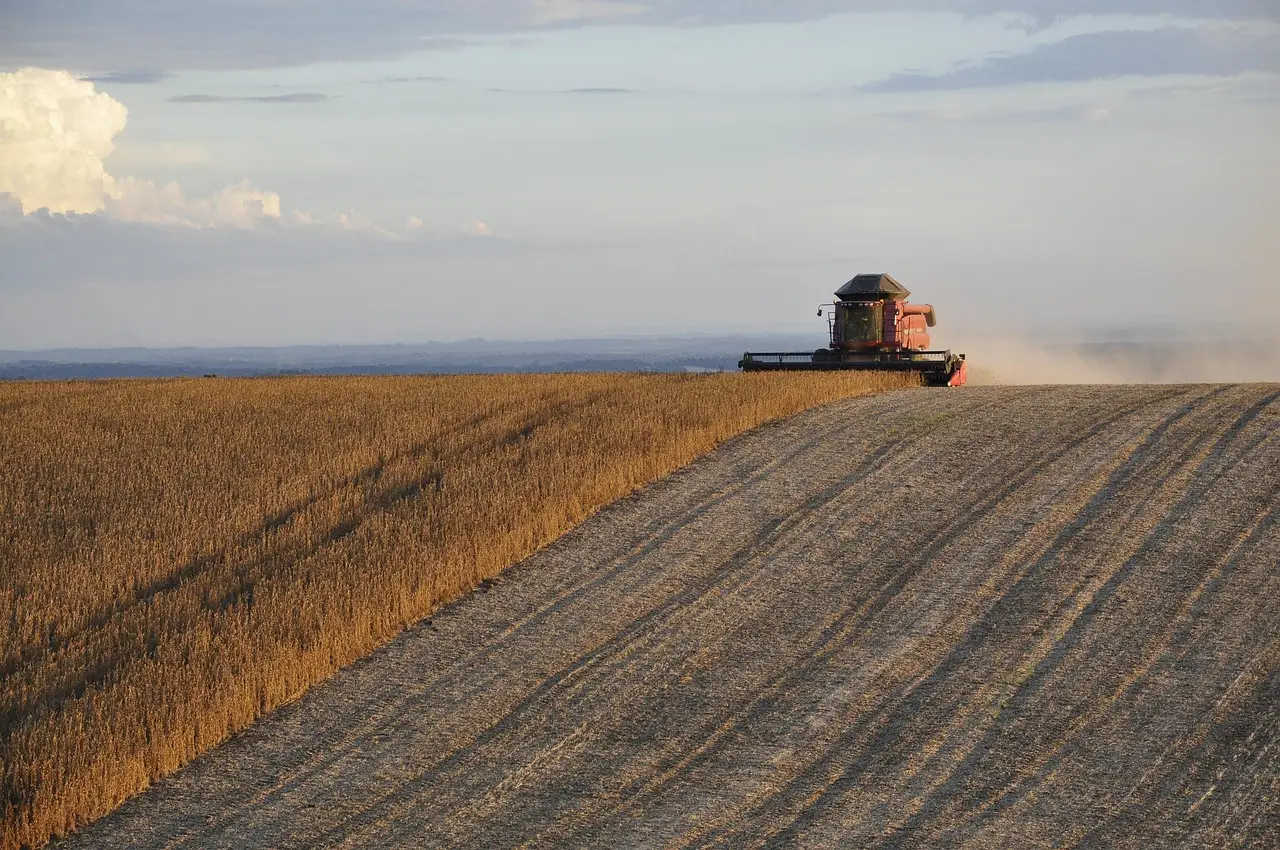
The Nebraska Department of Agriculture (NDA) has received more than $850,000 through the U.S. Department of Agriculture's Specialty Crop Block Grant Program, money that will fund twelve projects spanning pest control, crop nutrition and varietal research across the state.
The federal program exists to enhance the competitiveness of specialty crops, a category USDA defines as fruits, vegetables, dried fruits, horticulture and nursery crops. For Nebraska growers, the award translates into roughly $71,000 per project on average if the funds are spread evenly across the listed initiatives — a meaningful sum for research niches that rarely attract commercial investment.
Where the money goes
The funded projects read like a map of the agronomic pressures Nebraska specialty crop producers actually face. Several target weeds and insects that drive up input costs and cut yields.
The list includes:
- Adding A "Preemptive Strike" to the Battle Against Japanese Beetles — an invasive insect program
- Integrated Management of Herbicide-Resistant Palmer Amaranth and Volunteer Corn in Popcorn: Research & Extension
- Kochia Burndown in Confection Sunflower
- Evaluation of Biopesticides for Seed-Feeding Pests Management in Confection Sunflower
The herbicide-resistance project addresses Palmer amaranth, a weed that has developed resistance to multiple modes of action across the Midwest and now ranks among the costliest control problems in row and specialty cropping systems alike. Its pairing with volunteer corn in popcorn fields points to a rotation-specific problem: glyphosate-tolerant corn volunteers contaminating a crop where purity standards are strict.
Pulses and protein crops take a leading share
Dry pea, cowpea and winter pea research accounts for a substantial block of the portfolio, signaling Nebraska's interest in expanding pulse production in its dryland regions.
Four funded projects focus on these crops:
- Optimizing NPK to Improve Photosynthesis, Yield, and Profitability of Dry Pea
- High-Yielding Food-Grade Winter Pea Varieties for Dryland Production System in Nebraska
- Cowpea Varieties for Dryland Production System in Western Nebraska
- Evaluation of Sulfur Supplementation on Terminal Drought Tolerance in Dry Pea
Two of the four name dryland production systems explicitly, and one specifies western Nebraska. That geography matters. Dryland acres carry higher yield risk and thinner margins than irrigated ground, so variety and fertility research there directly shapes whether a crop pencils out for a given household operation. The sulfur project targets terminal drought tolerance — the late-season moisture stress that most often decides dry pea yields on the Plains.
What does this change for growers?
The practical question is what a block grant changes on the ground. The answer: access to screened, locally tested answers before growers spend their own money. The biostimulant screening project, titled Reliable or Risky? Screening Biostimulants for Specialty Crop Transplant Production, captures this directly. Biostimulant products have multiplied on retailer shelves in recent years, often with thin independent data. A university-run screen gives transplant producers evidence they cannot easily generate themselves.
The remaining awards cover a broader set of needs:
- Framework for Farm Sustainability
- Developing Rust Resistant Sweet Corn Lines
- Trade Show for Nebraska Specialty Crop Associations
The sweet corn rust project fits a familiar pattern in public breeding: genetic resistance built into the seed costs a grower nothing at planting, while fungicide programs do. A trade show for the state's specialty crop associations, meanwhile, funds the marketing and networking infrastructure that block grant rules typically favor, since the program's statutory purpose is competitiveness rather than direct farm income support.
Condition reports, not harvested results
Growers reading the project titles should keep the distinction clear. These are research commitments, not completed findings. Each project will need to produce data, publish results and move recommendations into extension channels before the $850,000 shows up as changed practices, lower herbicide bills or higher dry pea yields.
The grant positions Nebraska's specialty crop sector — popcorn, confection sunflower, pulses and horticultural crops — for the next several seasons of field trials, with results flowing to producers through the state's research and extension network.
via High Plains Journal (Source)
More from Marcus Bennett
Show full bio
Senior reporter covering regulation, policy and their impact on Agribusiness coverage for industry professionals at Agribusiness Wire.
465 articles
Also in the yard
- USDA Facility Closure in Maryland Channels $37 Million to UNL Ag Research
- 13 Ag Tech Startups Roll Out Solutions in Nebraska
- Nebraska, FTC Secure Pesticide Price Protections in Corteva Case
- USDA Reappropriation Fully Funds UNL Precision Agriculture Facility
- Sunflower Industry Presses Farm Bill for Research Dollars