Lot No. LOT-4087 · offered November 17, 2026
Agricultural PolicyLot sheet
MAHA and US Farming Drift Apart as Pesticide Reports Swing
A second MAHA report retreats from atrazine and glyphosate concerns, and a February order frames the herbicide as a food-security cornerstone, straining the movement's farm alliance.
Market notes
- The first MAHA Report in May 2025 flagged farm pesticides as potential contributors to chronic disease in children.
- A second report four months later pulled back on atrazine and glyphosate, shifting focus to nutrition and ultra-processed food.
- A February executive order framed glyphosate-based herbicides as a cornerstone of food and national security.
- In June the U.S. Supreme Court sided with Bayer in a Roundup cancer claim brought by a Missouri man.
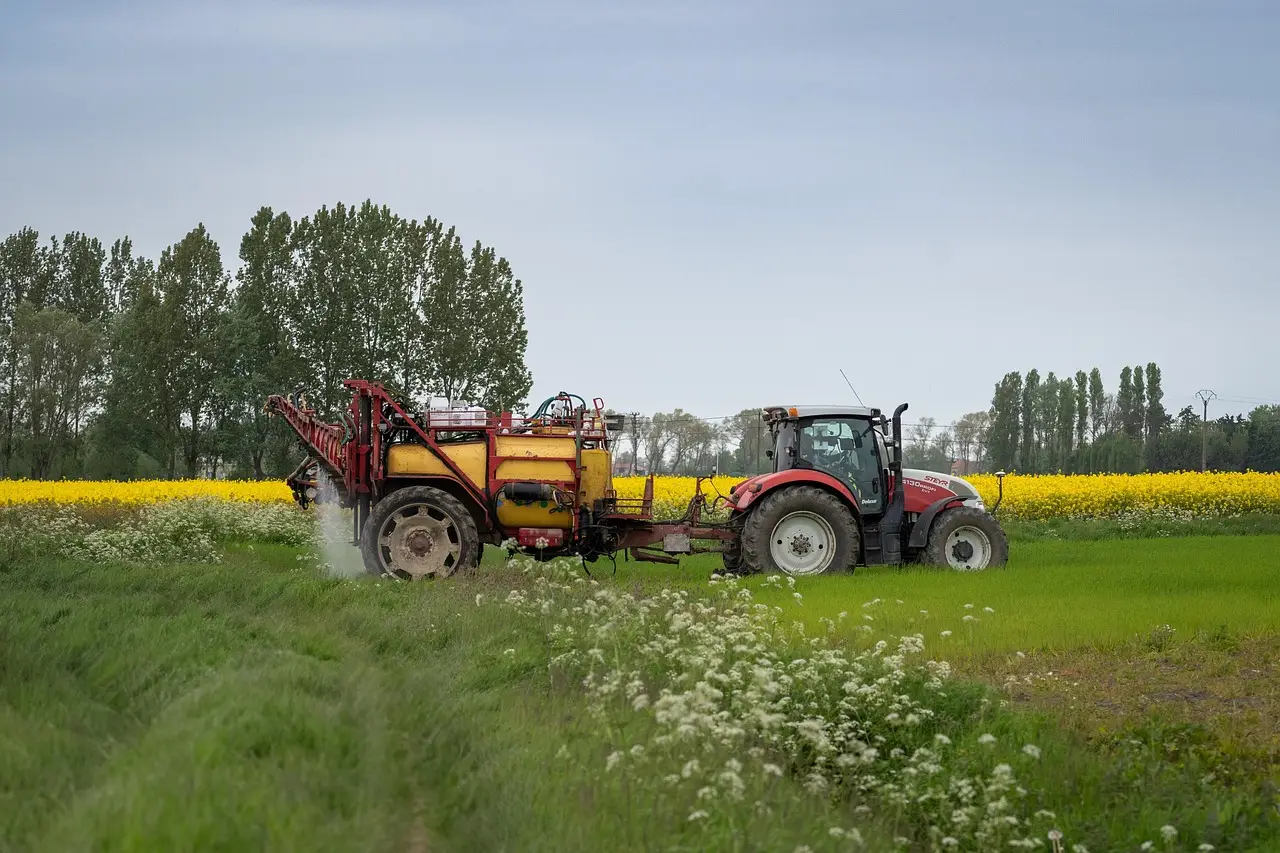
Four months after the first MAHA Report in May 2025 flagged widely used farm pesticides as potential contributors to chronic disease in children, a second report pulled back sharply on atrazine and glyphosate, pivoting instead toward nutrition, lifestyle and ultra-processed food. That reversal, reported by AGDAILY, marks the widest crack yet in the uneasy alliance between the Make America Healthy Again movement and American agriculture.
Farm groups had called the initial report fear-based misinformation. What changed in between, according to Val Dolcini, head of North American public affairs for Syngenta, was direct grower engagement in Washington.
"I think that Secretary Kennedy decided maybe he was a little hasty rushing out with that initial May report," Dolcini said, crediting farmers who traveled to the capital to show officials how they actually use crop-protection tools (the herbicides, fungicides and insecticides that anchor conventional row-crop budgets).
What did the February executive order change?
The strategic retreat on pesticides did not hold across the whole movement. When President Trump issued a February executive order framing glyphosate-based herbicides as a cornerstone of food and national security, a significant share of the MAHA base cried betrayal.
Courtney Swan, founder of the nutrition advocacy platform Realfoodology, voiced the split plainly. "If we got rid of glyphosate tomorrow, we would be screwed, and we would have a national food security crisis on our hands," she said — an acknowledgment that even committed critics of the chemical see it as load-bearing for the current production system.
Her worry has documented support. Published research on glyphosate-tolerant corn and soybeans shows the trait has boosted farm productivity through higher yields and lower input costs per acre, one of the principal reasons the chemistry remains central to row-crop margin math.
How did the courts weigh in?
In June, the U.S. Supreme Court sided with Bayer in a case brought by a Missouri man who claimed Roundup caused his cancer. Dolcini reads the ruling as more than a legal win for the input maker; in his view, it exposes a political split within the movement itself, between a pragmatic wing willing to accept crop-protection chemistry and a faction that treats pesticide reform as non-negotiable.
For growers, the sequence matters in practical terms. A regulatory climate that treats atrazine and glyphosate as security assets rather than suspected hazards reduces the risk of sudden withdrawal of registrations, which would force costly shifts in weed-control programs across corn and soybean acreage. Conversely, the first MAHA report demonstrated how quickly that assumption can be challenged at the cabinet level.
Is the movement temporary?
Dolcini does not think so. Despite the friction, he expects MAHA's ideas to outlast both of its principal figures.
"I think that it's not just a moment, it really is a movement that will outlive the Trump administration and probably outlive Secretary Kennedy's tenure at HHS," he said.
That forecast leaves agriculture in a durable negotiating position rather than a settled one: growers and input makers have won a round on pesticide framing, but the movement's remaining agenda — nutrition, lifestyle and ultra-processed food — sets the terms of the next debate over how American food production gets judged in public health terms.
via geneticliteracyproject.org (Source)
More from Rebecca Stone
Show full bio
Market editor covering people, launches and day-to-day practice in Agribusiness coverage for industry professionals at Agribusiness Wire.
517 articles