Lot No. LOT-5312 · offered October 9, 2026
Precision Agriculture & AgTechLot sheet
Long-Term Yield Data Link Regenerative Practices to Stability
Michigan State University long-term yield data show regenerative management practices improve yield stability and farm resilience across repeated seasons.
Market notes
- Michigan State University analyzed long-term yield data on regenerative management practices.
- The analysis links regenerative practices to improved yield stability, not just average output.
- Findings are based on harvested multi-season results rather than condition reports or forecasts.
- Researchers say the practices strengthen overall farm resilience.
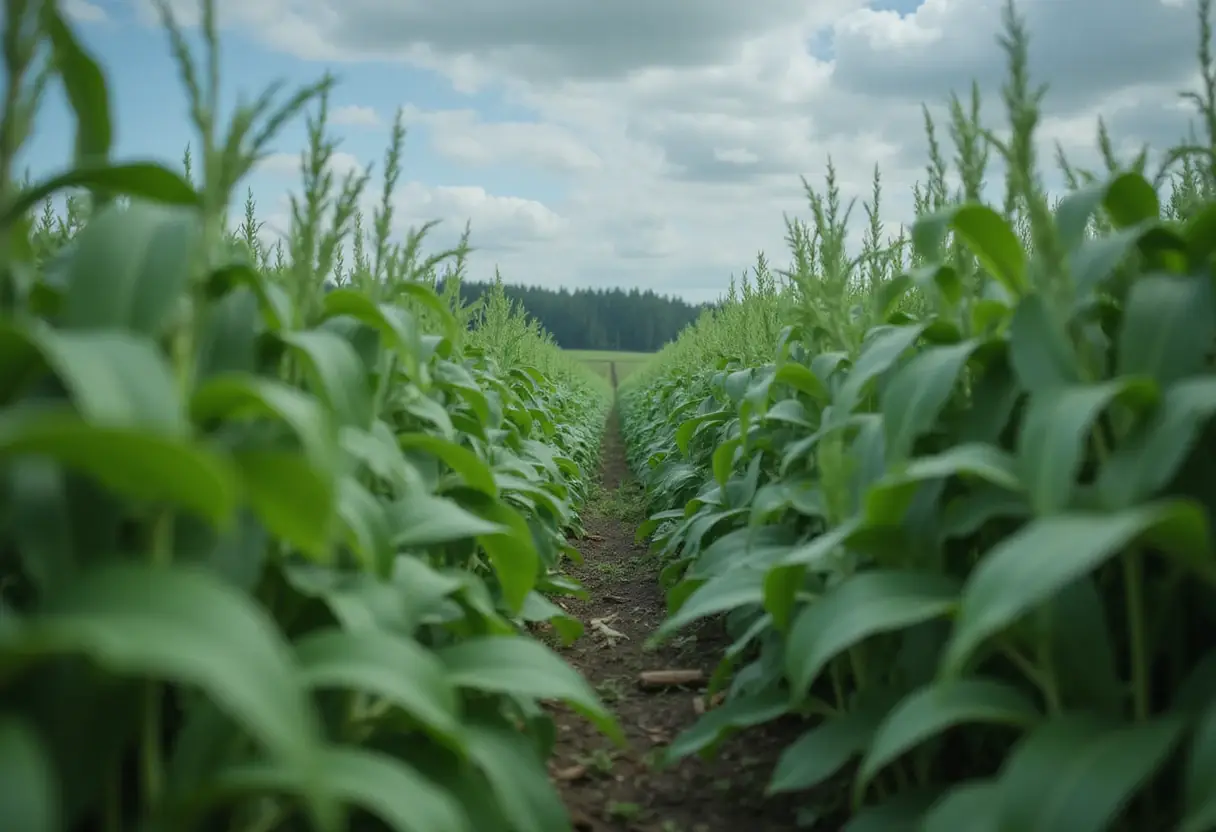
Michigan State University researchers report that long-term yield records show regenerative management practices improve yield stability and strengthen farm resilience, a finding growers can weigh against the input-cost tradeoffs these systems demand.
The analysis draws on extended yield data rather than single-season trials, which matters for producers evaluating whether reduced-input systems hold up across variable weather and market cycles. MSU's precision agriculture program framed the results as evidence that regenerative management can dampen year-to-year yield swings, not simply raise or lower average output.
Why yield stability matters for margins
Stable yields change farm economics even when averages stay flat. Variable harvests force growers to carry more working capital, complicate marketing plans, and raise the risk of shortfall years that erase margins built during strong seasons. If regenerative practices narrow that swing, the value shows up in risk management and financing terms as much as in gross revenue.
Input suppliers and lenders both watch this kind of data. Practices that reduce reliance on purchased inputs while maintaining output shift the cost structure of a rotation, and long-run records are the only reliable test of whether those savings persist after yield effects are counted.
What separates this from a condition report
MSU's finding rests on harvested results tracked over multiple seasons, not crop-condition scoring or in-season forecasts. That distinction is central. Condition reports and projections estimate what a crop may deliver; long-term yield datasets measure what fields actually produced under repeated management regimes year after year.
For growers considering a transition, the practical questions remain the same ones any systems change raises:
- How many seasons before stability gains appear?
- Which practices within the regenerative toolkit drove the effect?
- How did results vary by soil type, region, and rotation?
The university's broader precision agriculture work positions these findings alongside field-level data tools, giving producers a way to test similar comparisons on their own acres before committing to a full transition.
The forward view
As input prices stay volatile and lenders press for documented risk performance, multi-year evidence that regenerative management steadies output gives growers a firmer basis for running the numbers on their own operations.
via Google News: Precision agriculture (Source)
More from Rebecca Stone
Show full bio
Market editor covering people, launches and day-to-day practice in Agribusiness coverage for industry professionals at Agribusiness Wire.
441 articles
Also in the yard
- MSU publishes guide on collecting, cataloging precision-ag yield data
- Harvest Pressure Drags Corn and Soybean Prices Lower
- Successful Farming maps 2026 grain marketing call: sell at harvest or carry to 2027
- 60% of Ohio Farms Entered 2026 With Shrunk Cash Reserves
- Grain Prices Sit at a Crossroads as Markets Weigh Supply Signals