Lot No. LOT-3309 · offered October 19, 2026
Commodity MarketsLot sheet
Livestock leaders flag pork downturn, cattle headwinds at Lubbock summit
Livestock leaders at the Southwest Council for Agribusiness meeting in Lubbock, Texas outlined a pork downturn and persistent cattle headwinds while pressing trade, labor, and disease funding priorities.
Market notes
- Southwest Council for Agribusiness convened recent meeting in Lubbock, Texas
- Livestock leaders flagged pork downturn ending multi-year profitability stretch
- Cattle sector faces slow herd rebuilding and elevated input costs
- Policy agenda covered trade access, labor, disease preparedness, and environmental compliance
- USDA Cattle on Feed and Quarterly Hogs and Pigs reports due to test outlook
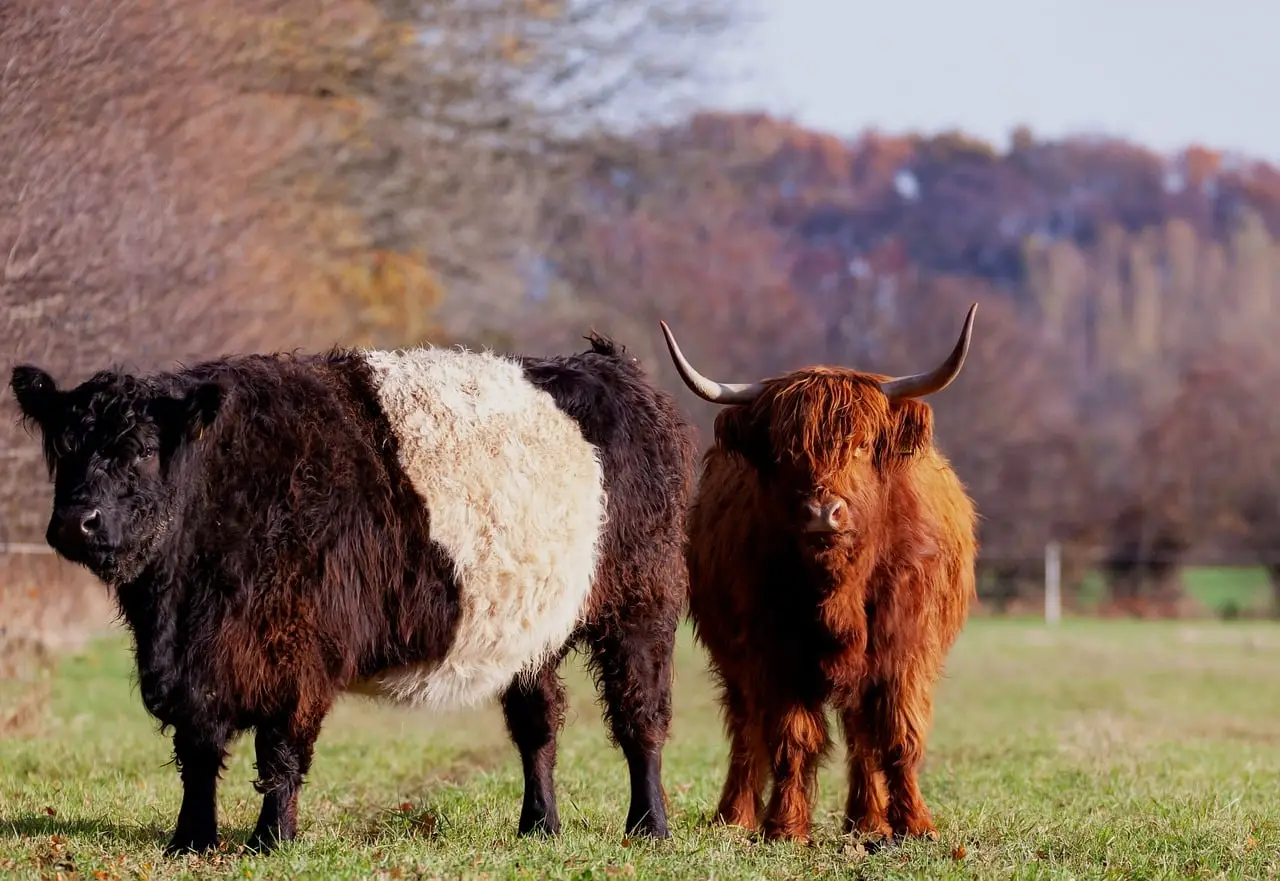
LUBBOCK, Texas — Livestock industry leaders gathered here for the Southwest Council for Agribusiness meeting, delivering a divided outlook: pork producers bracing for a downturn, cattle operators confronting persistent headwinds.
The recent session convened representatives of producer groups, regional cooperatives, and input suppliers to assess market conditions and surface policy priorities across the U.S. protein complex. Discussion centered on two parallel storylines shaping producer margins and forward strategy.
What signals point to a pork downturn?
Hog industry leaders described market conditions tilting toward margin compression, suggesting the end of a multi-year stretch of profitability for many operations. Production costs remain elevated across feed, labor, and capital, while forward sales face pressure from expanding supplies and softening consumer demand signals.
Any downturn carries direct policy implications. Producers pressed for stability in trade access, reform of agricultural labor programs, and predictability in environmental regulation. Disease preparedness funding also drew attention, given ongoing vigilance around foreign animal disease entry risks.
Why are cattle headwinds persisting?
The cattle sector confronts a more entrenched set of challenges. Herd rebuilding remains slow after years of drought-driven liquidation across the Southern Plains, leaving cow-calf operators with elevated replacement costs and feedlot operators navigating volatile feed and feeder cattle prices.
Beyond the feedyard, trade flows add volatility. Export demand has softened in key Asian markets, while domestic beef consumption continues to shift. Leaders pointed to consumer demand strength, grazing conditions, and feed cost trends as the variables most likely to define the year ahead for cattle producers.
What policy priorities did leaders raise?
Beyond market commentary, livestock leaders used the Lubbock platform to press federal and state agencies on a defined agenda. Trade access and market development support ranked at the top, alongside funding for disease surveillance, disaster relief mechanisms, agricultural labor availability, and predictability around environmental compliance.
Producers also flagged the importance of crop insurance tools, livestock risk protection, and tax provisions that shape multi-year planning decisions across ranch and feedlot operations. Input makers in attendance noted that policy predictability directly affects capital investment cycles on both the production and processing sides of the protein chain.
The discussion in Lubbock also surfaced infrastructure concerns, including water availability for livestock operations and processing capacity constraints. Rural service gaps, from broadband to veterinary labor, drew mention as longer-term competitiveness issues for the protein sector.
The Southwest Council for Agribusiness connects agricultural producers and businesses across Texas, Oklahoma, New Mexico, and surrounding states. Founded to coordinate regional voices on trade and farm policy, the council convenes annual meetings that draw commodity leaders, lenders, and policymakers to assess commercial conditions.
What comes next for the protein sector?
Both protein segments enter 2025 under pressure. Pork producers will weigh capacity decisions against expected margin compression. Cattle operators will work to stabilize herd numbers and input costs while navigating policy and trade uncertainty.
Watchers will look to upcoming USDA reports — Cattle on Feed, the Quarterly Hogs and Pigs inventory, and Cold Storage releases — to test the directional view sketched by industry leaders in Lubbock. Margin pressure now defines both ends of the protein ledger.
via Farm Progress (Source)
More from Grace Kim
Show full bio
Correspondent covering people, launches and day-to-day practice in Agribusiness coverage for industry professionals at Agribusiness Wire.
475 articles
Also in the yard
- Cattle futures shed $30 from April peak, test $10 band
- Cattle Futures Rebound as Grain Prices Sink
- Farm Bill Expires; Wyoming Livestock Roundup Flags Uncertainty for Ag Programs
- Breedr Raises $27M Series B to Scale Digital Cattle Records Globally
- Cash Cattle Trade Quiet at Midday; Showlists Mixed Across Plains