Lot No. LOT-8846 · offered October 15, 2026
Trade & ExportsLot sheet
KC Fed Explains Why Major Trade Partners Shape Farm Income
The Federal Reserve Bank of Kansas City released an Ask an Economist installment on export-market concentration and its effect on farm-sector revenue and consumer food prices across the Tenth District.
Market notes
- Federal Reserve Bank of Kansas City released an "Ask an Economist" installment titled 'Why key agricultural trade partners are important for the farm sector and food prices'.
- The publication runs in the Tenth District, covering Kansas, Missouri, Nebraska, Colorado, Oklahoma, Wyoming, and northern New Mexico.
- The format is the bank's plain-language Q&A series aimed at producers, lenders, and consumers, not a policy or forecasting outlet.
- The piece contains no direct economist quotation or projected price or volume; reach comes from structure rather than headline figures.
- Additional Ask an Economist installments typically follow USDA trade data releases or material bilateral negotiation updates.
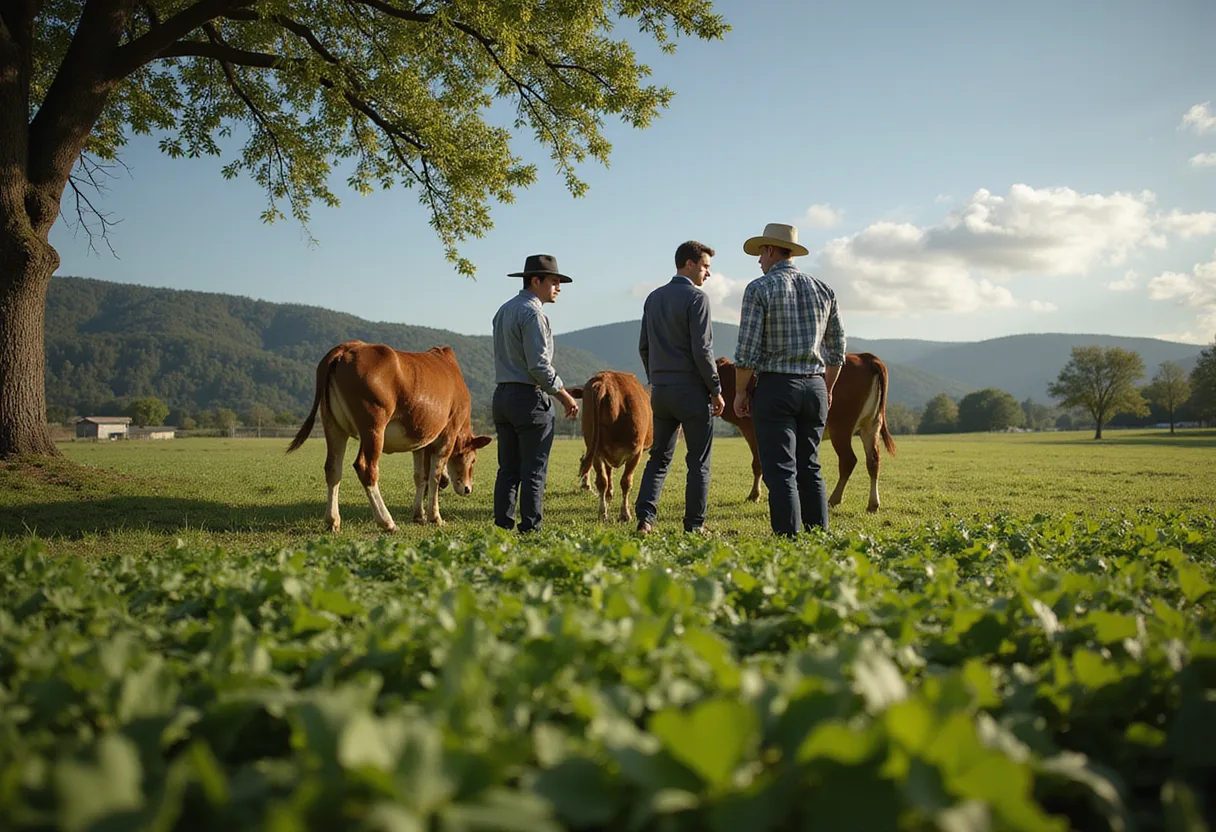
The Federal Reserve Bank of Kansas City released an "Ask an Economist" installment titled "Why key agricultural trade partners are important for the farm sector and food prices," translating Bank research on export-market concentration into language aimed at producers, lenders, and consumers.
The Tenth District bank's plain-language Q&A series delivers short, structured answers to recurring reader questions about agricultural economics. The latest piece runs in the established format.
What does the publication address?
The title names two audiences in a single sentence. Producers and agribusiness operators in the district gain a framework for thinking about how overseas demand maps back to the cash price at a country elevator. Household readers gain context on how those same trade flows feed grocery prices for staple foods.
What the Tenth District lens adds
The Kansas City Fed oversees Federal Reserve activity across Kansas, Missouri, Nebraska, Colorado, Oklahoma, Wyoming, and northern New Mexico. The district carries major U.S. row-crop output and a large share of cattle on feed (animals in feedlot finishing on grain-based rations before slaughter). Its economists routinely track farm credit conditions, basis movements (the gap between local cash bids and futures benchmarks), and livestock price differentials — variables that respond visibly to changes in foreign demand.
What the format typically delivers
The series translates Federal Reserve research for non-economist readers. The bank does not use the format to issue policy calls. Its purpose is to explain the mechanism behind a recurring question so that growers, lenders, and merchants can apply it to their own decisions.
Why this question keeps surfacing
Export destination concentration is not a one-time issue. Bilateral negotiations with major buyers open and close on multi-year cycles. Sanitary and phytosanitary rules (government standards on plant or animal health that constrain cross-border shipments) shift. Currency moves reset the competitiveness of U.S. commodities against South American and Black Sea competitors — grain exported through the Russia–Ukraine Black Sea corridor in particular. Each of these channel-level changes eventually reaches the cash bid at a country elevator.
How this fits the bank's broader ag work
The Kansas City Fed maintains a long-running research presence in agricultural economics. Outputs include periodic Tenth District farm credit surveys and recurring livestock industry commentary. The bank's territory mixes heavy grain production with concentrated cattle feeding, allowing its economists to comment on the full commodity chain — from planting decisions through feedlot turnover — and to track the basis differentials that connect rural Kansas to Gulf export terminals.
What the format does not provide
The available title carries no direct quotation from a named economist and no projected price or trade volume. The brief therefore reaches readers through structure rather than headline figures. Growers looking for farm-program (USDA-administered commodity support such as Agriculture Risk Coverage, Price Loss Coverage, and federal crop insurance subsidies) updates or tariff schedules will need separate sources.
What to watch from the bank next
The Kansas City Fed tends to publish additional Ask an Economist installments as USDA (United States Department of Agriculture) trade data releases arrive or as significant bilateral negotiations move through their calendars. Practitioners in the district should expect more plain-language output as the export calendar shifts through the next quarter.
via Google News: Agricultural trade (Source)
More from Rebecca Stone
Show full bio
Market editor covering people, launches and day-to-day practice in Agribusiness coverage for industry professionals at Agribusiness Wire.
430 articles
Also in the yard
- Fed Economists Meet Tri-State Producer Panel on Ag Economy
- USDA Market News Weekly Report Tracks High Plains Grain Prices
- Corn, Soybean Prices Hinge on Yields, Exports and Energy Policy
- Cash Cattle Trade Quiet at Midday; Showlists Mixed Across Plains
- Farm Bill Stalls Over SNAP Fight as Illinois Counties Show Stakes