Lot No. LOT-7268 · offered September 28, 2026
Trade & ExportsLot sheet
Karakalpakstan Turns to Italian Technology to Reach European Markets
Karakalpakstan is adopting Italian agricultural technology to pursue European export markets, betting on equipment upgrades and EU certification to lift farm returns.
Market notes
- Karakalpakstan is deploying Italian agricultural technology to target European farm export markets.
- The region's agriculture faces soil salinity and water scarcity linked to the Aral Sea crisis.
- The initiative aligns with Uzbekistan's broader liberalization of crop procurement and export policy.
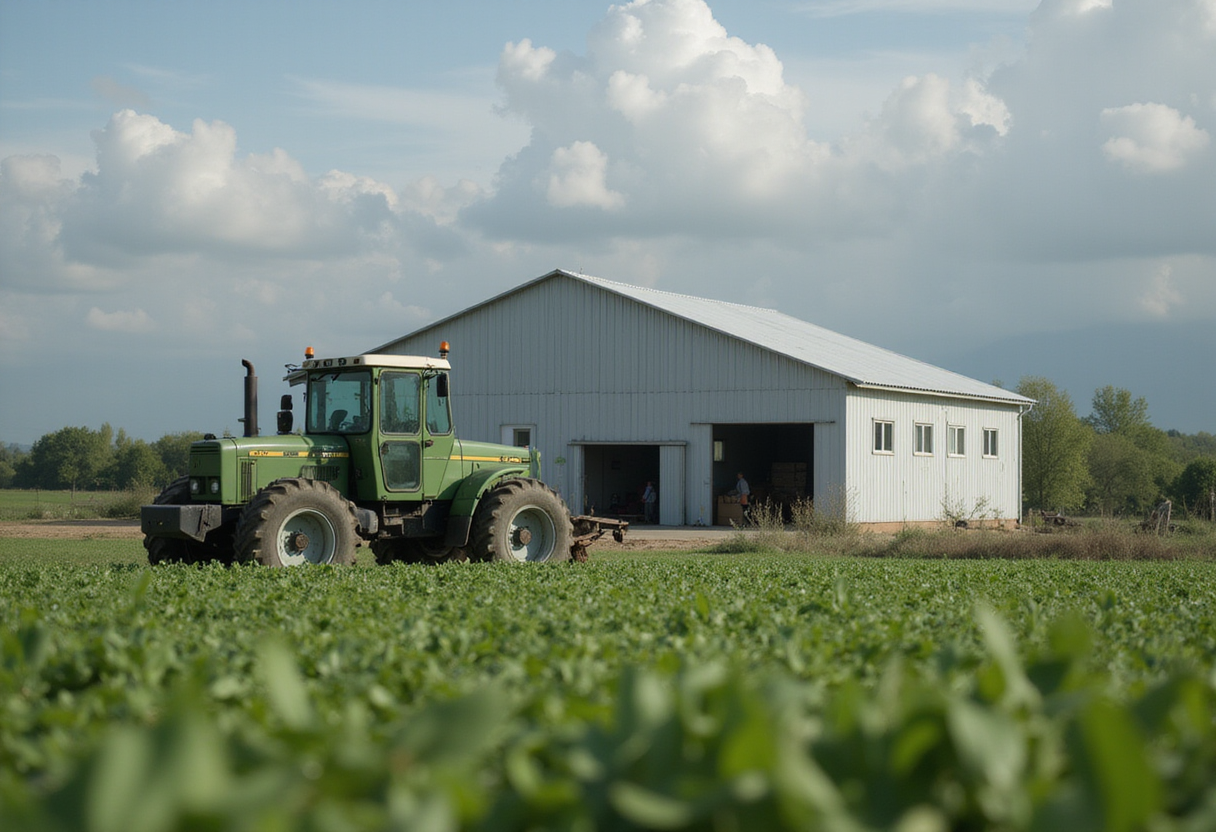
Karakalpakstan, Uzbekistan's northwestern republic, is deploying Italian agricultural technology as part of a strategy to break into European farm export markets, Kun.uz reports.
The autonomous republic, one of Uzbekistan's largest agricultural regions by area, has historically produced cotton, rice and livestock under state-directed procurement. The shift toward Italian equipment and processing standards signals an effort to reposition local output for buyers who enforce EU quality and traceability requirements.
For growers in the region, the move ties directly to input economics. European certification typically demands upgraded post-harvest handling, storage and processing capacity — investments that raise per-hectare costs but can lift returns through export premiums over domestic wholesale prices. Italian suppliers have built a track record in Central Asia supplying irrigation systems, greenhouse kits and fruit and vegetable processing lines, sectors where Uzbekistan's horticultural exports have grown fastest.
Karakalpakstan's agricultural base carries particular constraints. Soil salinity and water scarcity, worsened by the desiccation of the Aral Sea, limit yields across much of the republic. Introducing water-efficient Italian irrigation technology could address one of the region's most binding agronomic constraints while aligning production with the volume and consistency that European buyers require.
The export-oriented strategy also fits Uzbekistan's broader policy trajectory. Tashkent has spent several years dismantling Soviet-era state ordering in cotton and wheat, freeing farmers to choose crops and buyers and encouraging private investment in agro-logistics and cold chains. European Union markets have become a priority destination for Uzbek fruit, vegetable and processed products, with Italian machinery and packaging standards frequently serving as the technical benchmark.
Details on the specific technologies, financing terms and companies involved were not disclosed in the initial report, leaving open questions about the scale of the investment and its timeline. As with any government-backed export initiative, actual results will depend on how quickly Karakalpak producers can meet certification thresholds and secure commercial contracts — milestones that will show up in shipment data rather than announcements.
via Google News: Agricultural trade (Source)
More from Nathan Brooks
Show full bio
Staff writer covering marketplaces and e-commerce at Agribusiness Wire.
173 articles
Also in the yard
- Tajik President Orders Fix for Seed Sector After Sharp Criticism
- Iran and Belarus Signal Push to Deepen Agricultural Trade
- CIS States Review Agricultural Trade, Food Security Cooperation
- Bulgaria's Agricultural Trade Turns Negative for First Time in 20 Years
- Tirlán Sets Out Grain Pricing for Harvest 2026