Lot No. LOT-9420 · offered November 11, 2026
Farm MachineryLot sheet
Kansas Farmers Face Winterization Deadlines and a Packed Extension Calendar
K-State's Sarah Ganske lays out eight sprayer winterization steps as warm weather delays fall wrap-up, with sorghum, forage and pest schools set for November and December.
Market notes
- K-State weed scientist Sarah Ganske published an eight-step sprayer winterization protocol in the Extension Agronomy eUpdate.
- The Sorghum Connection Winter Series runs Dec. 2-4 in El Dorado, Great Bend and Liberal.
- The Western Kansas Forage Conference is set for Dec. 10 in Great Bend, free with lunch provided.
- Crop Pest Management Schools take place Nov. 17 in Colby and Nov. 19 in Phillipsburg at $100 per registration.
- The Liberal session will cover Section 45Z biofuel tax credits and sorghum in dairy rations.
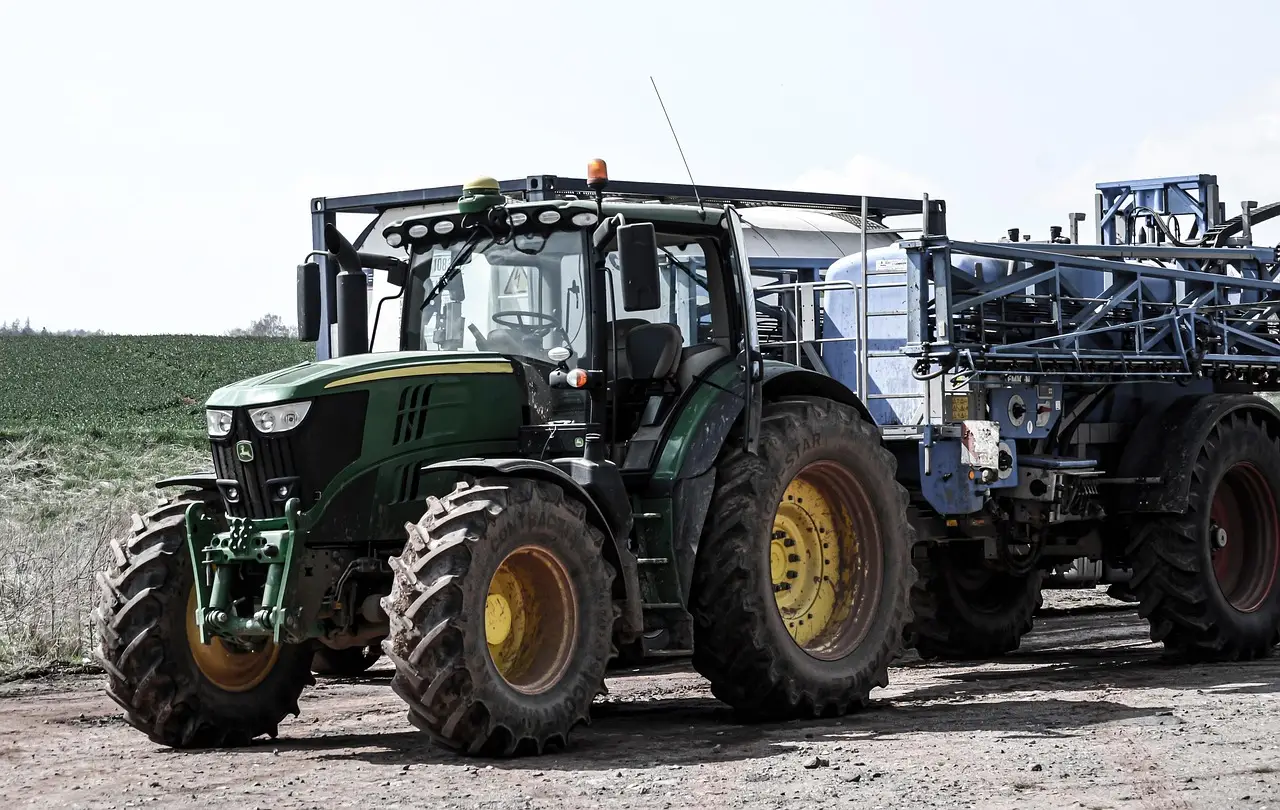
Unseasonably warm weather has let Kansas farmers keep fall application schedules running, but Sarah Ganske, a weed science specialist with Kansas State University Research and Extension, is urging them to winterize spray equipment before freezing temperatures catch up with the calendar. Her eight-step protocol, published in a recent K-State Extension Agronomy eUpdate post, centers on preventing corrosion and freeze damage that can turn a parked sprayer into a spring repair bill.
Ganske's first instruction is procedural: check the owner's manual for machine-specific guidance, because compliance with manufacturer warranty terms often depends on following prescribed maintenance steps. From there, the protocol moves through the sprayer system component by component.
What does the eight-step winterization involve?
- Clean the sprayer and remove herbicide residues.
- Check and service the pump.
- Remove filters, nozzles, check valves and screens, wash them by hand, and store metal filters and screens in vegetable oil to prevent rust.
- Remove pressure gauges and store them at room temperature.
- Remove as much water as possible; an air hose can blow out residual moisture.
- Add RV antifreeze with a corrosion preventer, or use a purpose-built sprayer winterization solution. Liquid fertilizer is an alternative, but it can cause corrosion.
- Circulate the antifreeze through the entire system, including the boom. For boom sprayers, turn on one section at a time until antifreeze appears at the nozzle openings, then cap each opening.
- Consult the owner's manual for specific steps covering flow meters, rate controllers and other electronics.
Ganske also framed storage time as an inspection window rather than a shutdown. "As you put the sprayer in storage for the winter, this is also a good time to clean and inspect the exterior, tanks, hoses and other components, including your tendering equipment," she said. For operators tracking freeze risk against their timeline, the Kansas Mesonet (the state's weather station network) offers a freeze monitor that displays real-time conditions and compares freeze events across several years at mesonet.k-state.edu/airtemp/min/hoursbelow.
What is on the December extension calendar?
Sorghum growers have three dates to hold. The Sorghum Connection Winter Series, hosted by the Kansas Grain Sorghum Commission, K-State Research and Extension and the K-State Department of Plant Pathology, runs Dec. 2-4 in El Dorado, Great Bend and Liberal. Each location carries a program tailored to regional production issues.
The Dec. 2 stop in El Dorado covers precision agriculture and emerging technologies, including seed genetics advances and regional markets, plus a listening session on "rethinking sorghum production." On Dec. 3 in Great Bend, the agenda turns to optimizing limited water with forage sorghum, nitrogen fertility management in grain sorghum, and the end-user perspective. The Dec. 4 session in Liberal addresses water management and water-stable cropping systems, along with two market-facing topics: how sorghum fits into the new era of Section 45Z tax credits (the federal clean fuel production credit) for biofuels, and how it can enter dairy rations in a region with a growing dairy industry.
Attendance is free with lunch provided, and organizers encourage RSVPs through ksgrainsorghum.org/commission/sorghum-connection-2026.
Where does forage fit into 2027 planning?
Livestock demand for forage is rising across Kansas, and K-State Extension is positioning forage as a 2027 profit opportunity. The Western Kansas Forage Conference convenes Dec. 10 in Great Bend, covering haying and grazing annual forages, virtual fencing, forage fertility, pest management, livestock health and forage insurance. Extension experts will present research intended for direct management application, and both farmers and livestock producers are the target audience. Registration is free, lunch is provided, and details are at wkrec.org/events/forage_conference/western_kansas_forage_conference.html.
What training is available for applicators?
Two Crop Pest Management Schools follow in November: Nov. 17 in Colby and Nov. 19 in Phillipsburg. The programs target commercial pesticide applicators, crop consultants, agronomists and farmers, with a curriculum built around weed, insect and disease management in western and central Kansas. Scheduled topics include drone applications and weed detection, glufosinate applications in dry environments, and insects to watch for in 2027. The Kansas Department of Agriculture will deliver a core hour on state regulations. Continuing education credits have been requested for both commercial applicators and certified crop advisers. Registration costs $100 per person online at bit.ly/KSUCropPest; walk-up registration is possible but accepts only cash or checks.
Taken together, the schedule gives Kansas operators a defined window: winterize spray equipment before the first hard freeze, then use the November and December sessions to lock in pest, forage and sorghum decisions ahead of the 2027 season.
via Farm Progress (Source)
More from Rebecca Stone
Show full bio
Market editor covering people, launches and day-to-day practice in Agribusiness coverage for industry professionals at Agribusiness Wire.
483 articles
Also in the yard
- Winter 2026-27 Forecast Puts Crop Protection Planning in Focus
- Three Practical Ways to Make Ag Technology Pay in 2027
- Corteva Agronomist: Program Approach Still Best Weed Resistance Defense
- Auburn Calibration Push Targets On-Farm Input Efficiency
- MU Extension Sets July 8 Field Day on Pest Management and Robotics