Lot No. LOT-6293 · offered November 16, 2026
Crop EconomicsLot sheet
Iowa Corn Harvest at 84%, 11 Points Behind Five-Year Average
Iowa corn harvest stands at 84%, 11 points behind the five-year average, as the first killing freeze ends one of the longest growing seasons on record and soil temperatures hover near 50 degrees.
Market notes
- Iowa corn harvest reached 84% by Nov. 15, 2026, 11 percentage points behind the five-year average; soybeans at 96%, 3 points behind.
- Topsoil moisture rated 77% adequate and 21% surplus; subsoil 80% adequate, 15% surplus.
- Statewide average temperature was 42.6 degrees, 4.2 degrees above normal; weekly precipitation averaged 0.04 inch versus a 0.44-inch normal.
- 4-inch soil temperatures still hover near 50 degrees in parts of Iowa, prompting nutrient-application guidance from Secretary Mike Naig.
- Fieldwork days totaled 5.9 for the week ending Nov. 15, 2026.
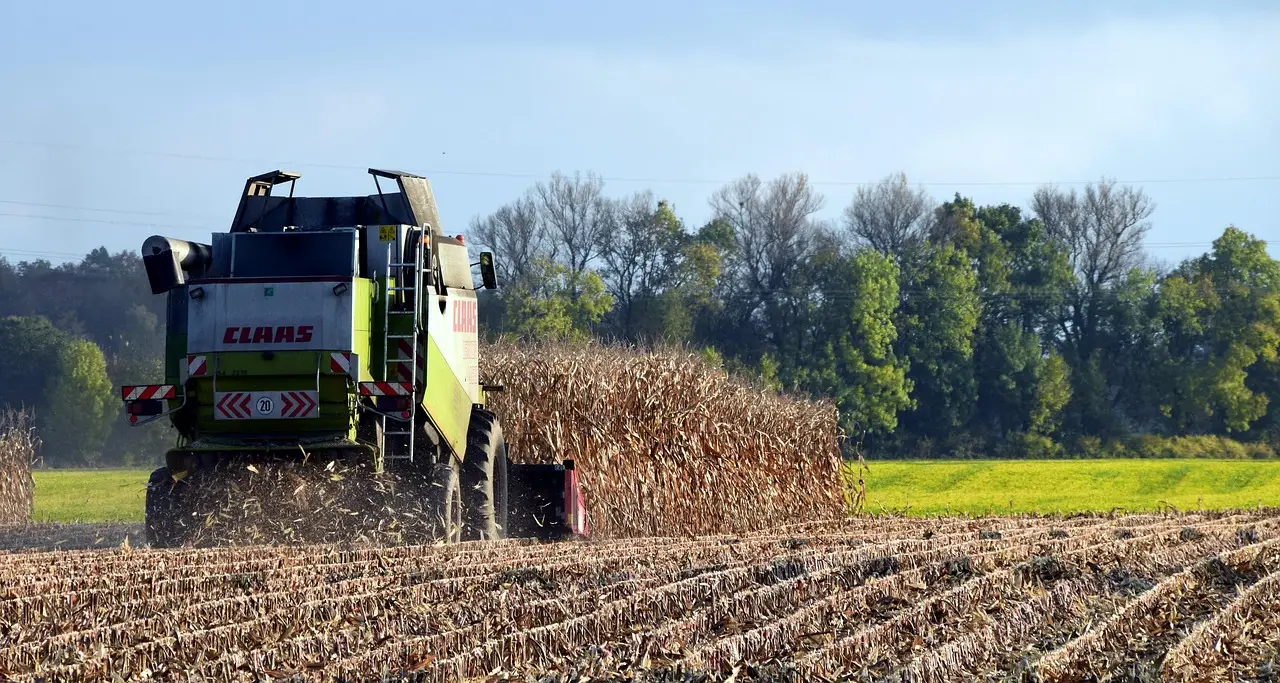
Iowa farmers had harvested 84% of the state's corn as of the week ending Nov. 15, 2026 — 11 percentage points behind the five-year average — while soybean harvest reached 96%, three points behind normal, according to the USDA National Agricultural Statistics Service weekly Crop Progress and Condition Report.
The report, released weekly from April through November, also shows Iowa Secretary of Agriculture Mike Naig urging growers to hold off on fall nutrient applications until soil temperatures clearly fall. "Many parts of Iowa finally experienced the first killing freeze over the weekend, ending one of the longest growing seasons on record," Naig said.
What does the delayed corn harvest mean for growers?
The 11-point gap on corn signals a compressed finishing window for the remaining 16% of acreage, with fieldwork days at 5.9 for the week. Moisture reserves remain ample: topsoil rated 2% short, 77% adequate and 21% surplus, while subsoil rated 5% short, 80% adequate and 15% surplus. Surplus topsoil on more than a fifth of the state can slow equipment traffic and raise drying costs for late-harvested corn.
Why is Naig telling farmers to watch soil temperatures?
Above-average temperatures and moisture this fall have left 4-inch soil temperatures hovering near 50 degrees in parts of Iowa. "Farmers should continue to monitor ISU's Mesonet to determine when soil temperatures have reached '50 and falling' in your county, and continue following nutrient application best practices this fall," Naig said. The threshold matters because applying anhydrous ammonia and manure while soils remain warm raises nitrogen loss risk (the conversion of ammonium to nitrate, which leaches from the root zone), cutting fertilizer efficiency before spring.
State Climatologist Justin Glisan of the Iowa Department of Agriculture and Land Stewardship noted that remaining stations recorded their first killing freeze late in the reporting period, formally closing one of the longest growing seasons on record.
How did the weather shape the week?
The statewide average temperature was 42.6 degrees, 4.2 degrees above normal, and precipitation averaged just 0.04 inch against a normal of 0.44 inch — dry everywhere except eastern Iowa.
Key readings from Glisan's summary:
- Rain fell only in eastern Iowa; eight stations collected at least an inch, led by Eldridge (Scott County) at 1.59 inches, Davenport Municipal Airport at 1.47 inches and Cedar Rapids (Linn County) at 1.04 inches.
- A storm complex on Wednesday the 11th produced a severe-warned cell in Scott County, hail from nickel to quarter size and wind gusts to 61 mph.
- Shenandoah (Page County) posted the week's high of 75 degrees on the 9th, 22 degrees above normal; Spencer Municipal Airport (Clay County) recorded the low of 15 degrees on the 13th, 11 degrees below normal.
- Saturday the 14th brought a statewide average low of 21 degrees, six degrees below normal, with highs holding in the mid 40s.
- Forest City averaged a high of 54.1 degrees against a normal of 47.6, and a low of 33.7 against a normal of 27.3.
What comes next?
Warm weather is expected to persist over the next several days, keeping soil temperatures near the 50-degree mark and holding open the door on anhydrous and manure applications once readings turn "50 and falling" — while farmers push to close the final 16% of the corn harvest before conditions deteriorate.
via kiow.com (Source)
More from Rebecca Stone
Show full bio
Market editor covering people, launches and day-to-day practice in Agribusiness coverage for industry professionals at Agribusiness Wire.
508 articles
Also in the yard
- Iowa Corn Harvest at 7%, Trails Five-Year Average of 20%
- Iowa corn harvest at 72%, trailing 89% five-year average as rain persists
- Iowa Corn Harvest at 5%, Half the Five-Year Average, USDA Says
- USDA: Corn Harvest Hits 18%, Matching Five-Year Average Pace
- Southwest Indiana Harvest Accelerates as Wet Season Dents 2026 Crop