Lot No. LOT-6457 · offered November 10, 2026
Agricultural PolicyLot sheet
Indiana Farm Bureau Targets $115M Property Tax Fix in 2027 Session
INFB's 2027 agenda: restore ISDA and BOAH budgets, extend the $115M property tax cap relief past its sunset, and lift the $2M equipment exemption cliff.
Market notes
- Senate Enrolled Act 1 (2025) raised the farmland capitalization rate from 8% to 9%, saving Hoosier farmers an estimated $115 million before it sunsets in 2027.
- Farm building taxes have risen 200% to 400%, according to INFB.
- SEA 1 exempts filers only below $2 million in personal property tax; INFB wants the first $2 million exempted regardless of total value.
- ISDA and the Indiana Board of Animal Health took budget cuts in the last session, straining meat inspector retention.
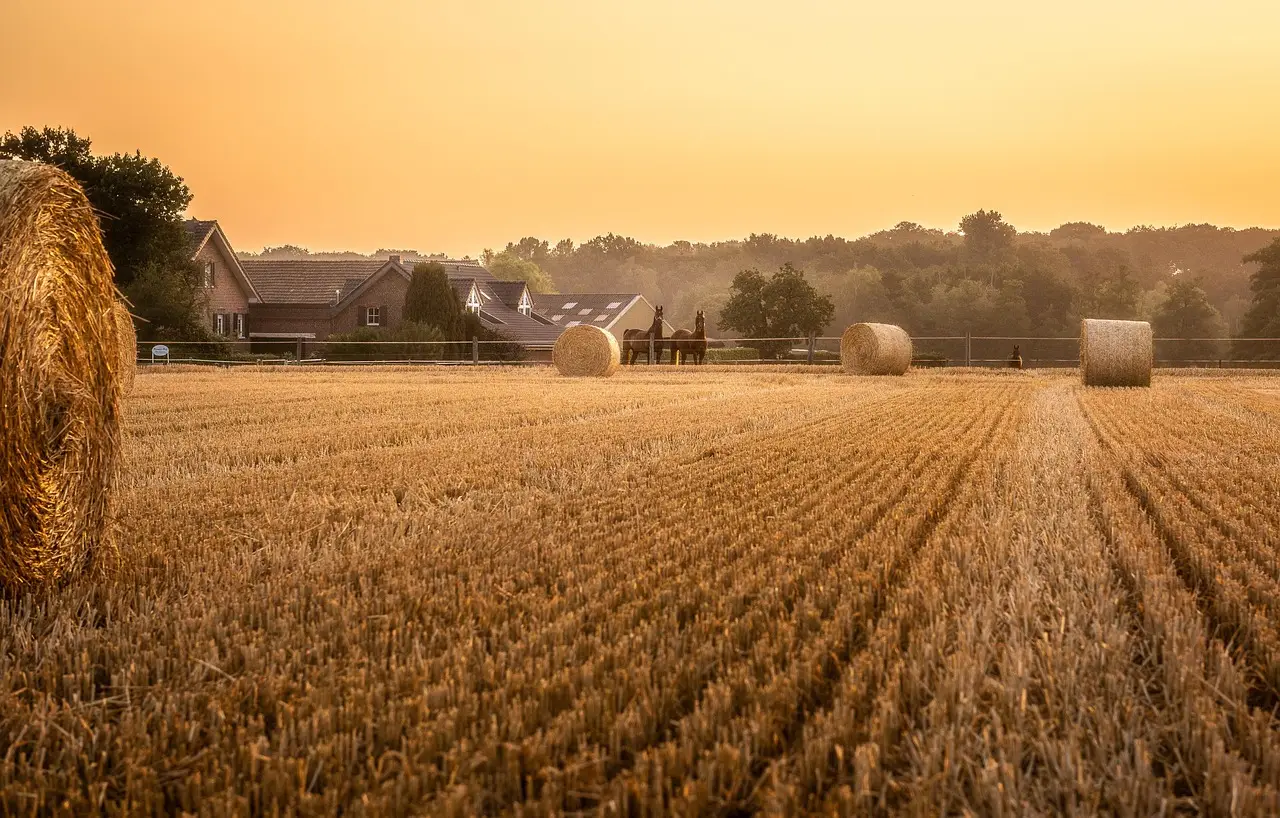
Indiana Farm Bureau will ask the 2027 legislature to restore budgets for the Indiana State Department of Agriculture and the Indiana Board of Animal Health, claiming the last budget cycle starved both agencies after lawmakers delivered an estimated $115 million in temporary property tax savings to farmers.
That $115 million came from Senate Enrolled Act 1 in 2025, which raised the farmland capitalization rate from 8% to 9%. The rate sunsets in 2027, and INFB president Randy Kron says the group needs a permanent replacement.
"Indiana State Department of Agriculture took a pretty big cut in the last budget year," Kron said. "So they're operating on a pretty lean budget. And then, those cuts hurt the programs. With the Indiana Board of Animal Health, for example, retention of meat inspectors is a challenge."
What does INFB want funded?
The 2027 session is a budget year. Kron calls it the "right time" to seek increased funding after the last session's cuts left what he described as skeleton budgets in small-town Indiana. Priority No. 1 is restoring the state ag department and animal health board to prior funding levels.
The shortage of rural large-animal veterinarians compounds the problem.
"In a lot of these rural areas, you've got to travel a long way to find a large-animal vet," Kron said. "How can we incentivize some of these issues to meet needs in rural areas?"
INFB's rural investment agenda also covers:
- Tax incentives letting retiring farmers sell to younger operators while maximizing returns
- Deductions for beginning farmers returning to family operations
- Expanded state funding for rural healthcare, childcare and transportation infrastructure
"We all know that the number of farmers is shrinking," Kron said. "And getting young farmers to come back, especially with the current financial challenges, is tough. We want to incentivize some of them coming back."
How would the property tax rewrite work?
SEA 1 exempted filers with less than $2 million in personal property tax, but anyone above that threshold lost the exemption entirely. Kron, who farms at medium scale, wants a marginal structure instead.
"As a medium-sized farmer, you can get to $2 million of equipment pretty quick," he said. "The way the law is written right now, if you're $1 above that, you get no exemption. So we're going to ask to move that to an exemption for the first $2 million in personal property tax, and then you'll pay above that number."
INFB will also propose moving farm buildings from the 3% to the 2% tax cap, a one-third deduction. Farm building taxes have risen 200% to 400%, according to Kron.
"Those kinds of increases are not realistic in a year for anybody," he said.
What about food rules?
The third priority is clearing regulatory barriers to on-farm food sales and school food access. Kron wants Indiana standards to stay aligned with FDA rules rather than diverge.
"We're trying to prevent Indiana from being on an island by ourselves," Kron said. "We're OK now, but we had to work hard last year to stop legislation that would ban six or seven ingredients in school food that are approved by FDA. And we've been told it's coming back."
Can farmers influence the session?
INFB's policy team and membership must compete for a budget surplus alongside many other claimants, and a wave of new legislators adds uncertainty.
"What I don't want is that the first time we're talking to a legislator is to ask for something," Kron said. "We've got to build that relationship first so they know you and can be a trusted resource."
He urged members to open conversations with new lawmakers now, well before the 2027 session convenes.
via Farm Progress (Source)
More from Grace Kim
Show full bio
Correspondent covering people, launches and day-to-day practice in Agribusiness coverage for industry professionals at Agribusiness Wire.
491 articles