Lot No. LOT-2664 · offered October 15, 2026
Farm MachineryLot sheet
India plans block-level farm equipment rental hubs, shared threshing floors
India plans block-level farm equipment rental centres and shared threshing floors, Daily Pioneer reports, in a mechanization scheme aimed at smallholders shut out of tractor and combine ownership. Budget, ministry, and pilot state list remain undisclosed.
Market notes
- Government plans block-level farm equipment rental centres paired with common threshing floors, per Daily Pioneer
- Scheme routes shared machinery through India's sub-district administrative block tier
- Common threshing floors are designed to cut post-harvest losses, which run into double digits as a share of cereal output
- Sub-Mission on Agricultural Mechanization carries the largest central budget line for shared farm assets
- Rollout date, issuing ministry, and pilot state list remain undisclosed in the Daily Pioneer report
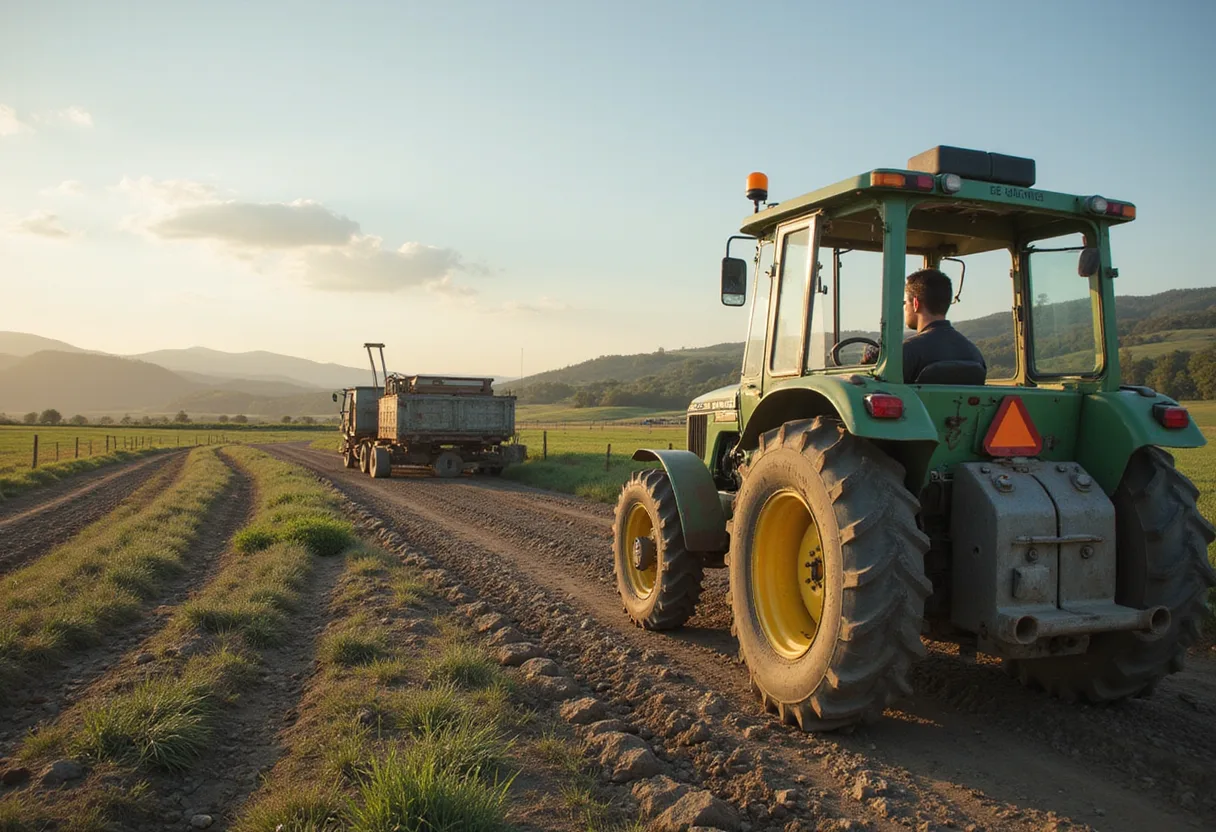
India's central government is preparing a network of block-level farm equipment rental centres paired with common threshing floors, the Daily Pioneer reported, in a mechanization push aimed at smallholders priced out of owning tractors, combine harvesters, and post-harvest machinery outright.
What is the block-level rental model?
The proposal routes shared machinery through India's administrative block — the sub-district unit that sits below the tehsil and taluka tiers. Blocks already function as the service-delivery floor for seed, fertilizer, and extension programs, and the new hubs would add custom-hire operations to that footprint. A typical centre aggregates tractors, power tillers, rotavators, seed-cum-fertilizer drills, and sprayers under one operator, charging per-acre or per-hour fees that convert a fixed purchase into a variable cost per field operation.
Why threshing floors enter the same scheme
The Daily Pioneer dispatch pairs the rental centres with common threshing floors — paved surfaces where farmers separate grain from stalk after harvest. India's post-harvest losses run into the double digits as a share of cereal output under most field surveys, a margin that compresses farm income before produce reaches the mandi. Shared threshing infrastructure addresses two problems at once: it gives farmers a clean, level surface for threshing and drying, and it anchors shared post-harvest equipment — threshers, winnowers, cleaners — at the same site.
Where the policy sits
The proposal threads through India's existing farm-mechanization architecture, including the Sub-Mission on Agricultural Mechanization, which carries the largest central budget line for shared farm assets. State agriculture departments, Krishi Vigyan Kendras, and registered farmer producer organizations typically act as implementing agencies for such schemes, with central funds released through Rashtriya Krishi Vikas Yojana or matching state-level programs. The Daily Pioneer report did not identify the issuing ministry, the budget envelope, or the pilot state list. Those details determine whether the scheme scales or stalls.
What the rollout would require
Three operational points will decide outcomes. First, machine availability during peak season: combine harvester downtime during the rabi wheat window runs high under field conditions, and a single block-level hub typically must service dozens of villages within a narrow harvest window. Second, diesel and spare-parts supply at the block tier, where dealer density thins rapidly outside district headquarters. Third, a booking system that matches farmer demand to machine position; without it, machines idle while bookings queue.
Tariff design carries equal weight. Per-hour rates set at full private-market levels defeat the smallholder access purpose; rates set too low collapse operator solvency. Past state programs have settled on partial subsidy of operating cost, recovered through user fees calibrated to local wage and diesel rates.
What to watch
The next signal is an official gazette notification or cabinet note carrying the scheme name, central-state fund split, and pilot state list. Until then, the Daily Pioneer dispatch confirms intent but not implementation. The first operational test will be whether the rental network opens before the 2026 kharif sowing window, when demand for tractor and tiller hire peaks across the Indo-Gangetic plain.
via Google News: Farm equipment (Source)
More from Grace Kim
Show full bio
Correspondent covering people, launches and day-to-day practice in Agribusiness coverage for industry professionals at Agribusiness Wire.
451 articles
Also in the yard
- Balwaan Krishi Raises Rs 100 Crore in Series B Funding Round
- Balwaan Krishi Raises Rs 100 Crore in Series B Round
- Balwaan Krishi Raises ₹100 Crore To Expand Farm Equipment Output
- Farm equipment stocks slide as regulatory probe meets weaker crop prices
- Harvest Marks the Window for End-of-Season Farm Expense Review