Lot No. LOT-9694 · offered October 13, 2026
Commodity MarketsLot sheet
Harvest Lows in Question: Barchart Asks If Corn, Soybean Bottom Comes Early
Barchart.com's new market note asks whether corn and soybean futures will print their seasonal low before combines roll, a question that could reset basis, storage and hedging plans across the Corn Belt.
Market notes
- Barchart.com published a market note titled "What If the Low Comes Before Harvest?" this week
- December corn futures have historically printed annual lows in the September–October window
- A pre-harvest low would shift storage, hedging and basis decisions for growers, co-ops and end-users
- The note lands ahead of USDA's August Crop Production report and the Pro Farmer Midwest Crop Tour
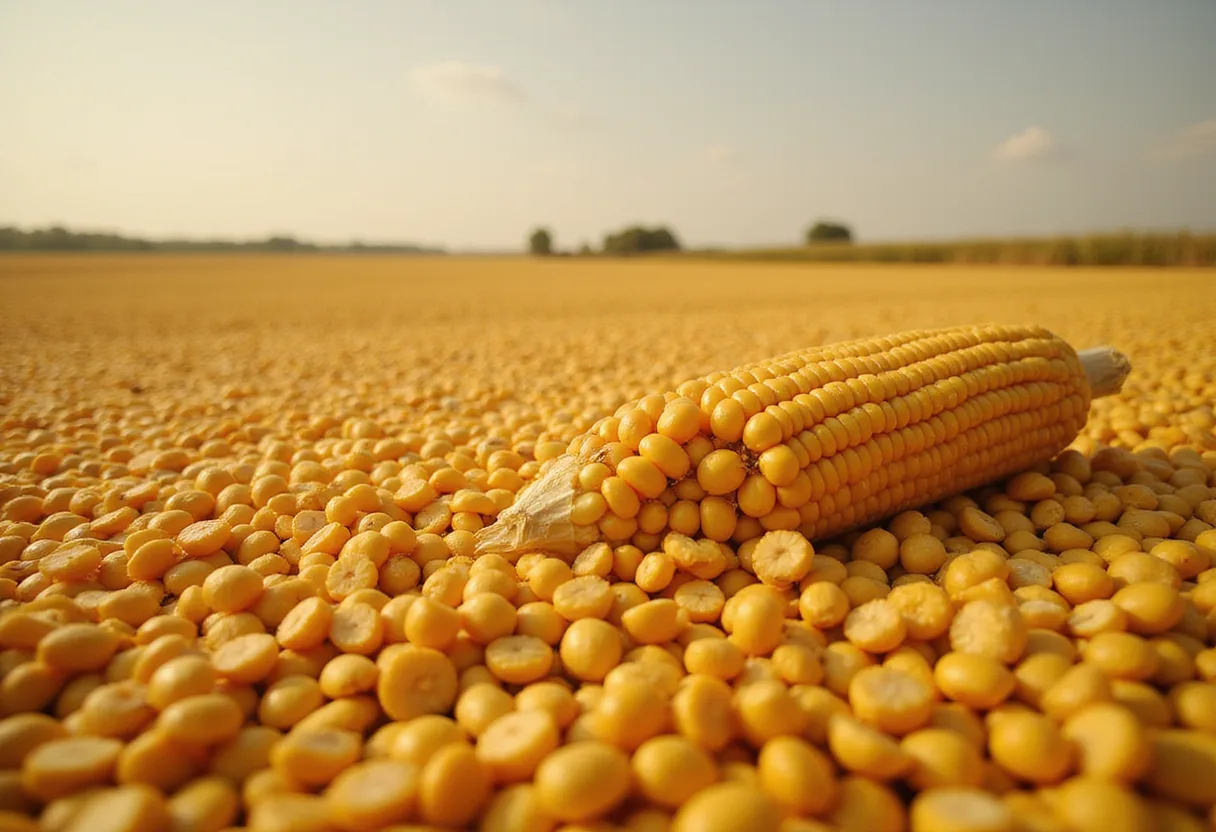
The question is short and so is the worry. "What If the Low Comes Before Harvest?" — that is the headline Barchart.com ran this week, framing a market note that asks corn and soybean traders to plan for a pricing window that may not arrive on schedule.
When does the seasonal low usually arrive?
Corn and soybean growers have run the same playbook for years: wait for harvest pressure, wait for the bottom, then price the post-harvest recovery. The seasonal chart, going back through multiple decades of CBOT data, has rewarded that patience.
December corn futures tend to print their annual low somewhere in the September–October window, when combines start rolling across Iowa, Illinois, Indiana and Nebraska. November soybeans follow a similar arc — late summer and early fall pressure from the new crop, then a working bottom.
Barchart.com, a market-data and analysis platform that tracks grain futures, published a market note this week with a pointed headline that cuts against that long-running pattern: "What If the Low Comes Before Harvest?"
Why does the timing matter?
The distinction is more than academic. A bottom that prints in late September lets a grower hold cash grain in on-farm bins, write storage costs against an expected post-harvest rally, and price off the winter or spring board.
A bottom that prints in July or August forces different decisions. Sell out of the field. Hedge earlier. Or accept that the seasonal low has already happened.
For ethanol plants, soybean crushers and exporters, the timing retools basis. A pre-harvest low flattens the basis curve before storage premiums kick in. For co-ops running hedge-to-arrive contracts, it shifts when margin calls arrive. The risk profile moves, not just the price.
What is Barchart actually asking?
The piece, hosted on the company's news and analysis portal, walks through charts that track the seasonal low window for December corn and November soybeans across multiple contract years. The argument turns on whether demand, weather or macro factors could pull that low earlier than usual.
Barchart publishes daily commodity updates, intraday futures quotes and technical market commentary aimed at producers, merchandisers and end-users. The note lands ahead of USDA's August Crop Production report and the Pro Farmer Midwest Crop Tour — two data points that often reset the seasonal price narrative.
What does this change for a grower?
Growers running bin-stored old crop and pricing decisions off the December board now have a working question to pressure-test. Is the seasonal low still ahead, or already past?
Barchart's note serves up a checklist for that decision rather than a verdict. Watch August weather. Watch export sales. Watch the spreads. Whoever prices first in a pre-harvest low year owns the bushels; whoever prices second owns the basis.
For end-users, the read-through is simpler. Front-month futures that drift through July and August without a weather scare are candidates for buying dips rather than chasing rallies. In the cash market, basis bids to the farm tend to follow the front-month — early lows flatten basis well before harvest.
The seasonal chart will answer the question in real time. Barchart just put it on the desk. The August crop data, the weather market and the demand book will decide whether the combine meets the lows at the gate, or finds them already gone.
via Google News: Grain prices (Source)
More from Nathan Brooks
Show full bio
Staff writer covering regulation, policy and their impact on Agribusiness coverage for industry professionals at Agribusiness Wire.
470 articles