Lot No. LOT-3788 · offered October 19, 2026
Farm MachineryLot sheet
Grain Equipment Makers Lean on Automation, Capacity for 2026
Grain equipment makers are launching smart carts, higher-capacity dryers and redesigned conveyors for the 2026 model year, citing automation, throughput and operator safety. Published capacity figures and ROI benchmarks are not yet available.
Market notes
- Three product categories anchor the 2026 grain equipment launches: smart grain carts, high-capacity dryers and conveyors.
- The category-level announcement names no specific manufacturers, model numbers or pricing.
- No published capacity figures, return-on-investvement benchmarks or subscription terms have appeared for the 2026 lines.
- Equipment finance terms in the current rate environment commonly run five to seven years.
- Dealers typically schedule side-by-side equipment demonstrations during the summer field-day circuit.
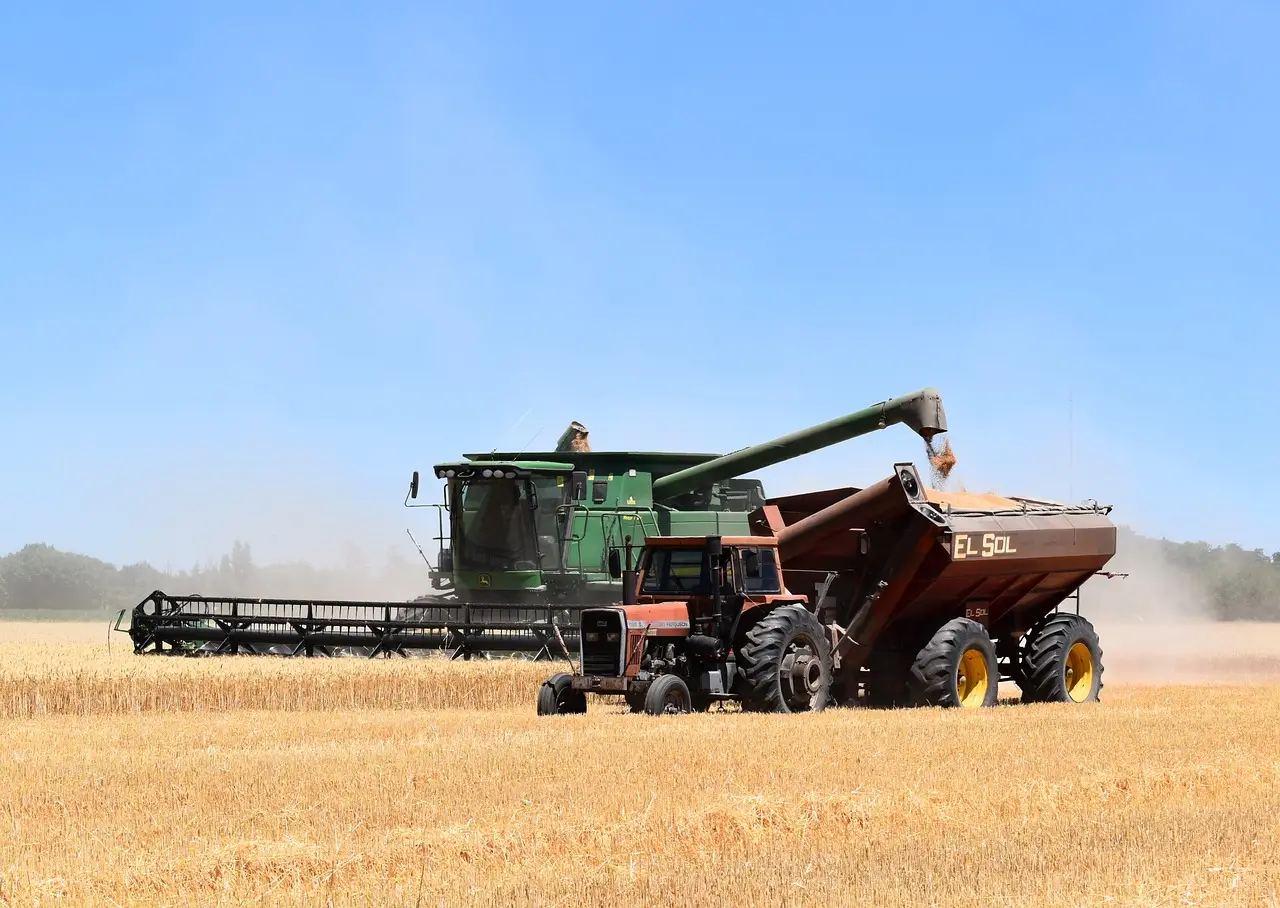
Grain equipment manufacturers heading into the 2026 model year are anchoring their launches on three categories — smart grain carts, high-capacity dryers and conveyors — pitching automation, throughput and operator safety as the headline gains.
The product mix matters because harvest losses and post-harvest bottlenecks remain the line items most growers track against operating margins. Combine downtime, over-drying fuel charges and cracked kernels from legacy conveyors each eat into delivered-bushel revenue, and tightening labor availability at peak harvest has pushed buyers toward systems that reduce the number of hands in the chain.
What is the 2026 equipment pitch centering on?
Smart grain carts now bundle weigh scales, moisture sensors and variable-rate unload controls into a single cab display. That setup cuts the verbal coordination a combine operator must maintain with the cart driver during peak harvest windows, when minutes per load translate directly into acres covered per day.
High-capacity dryers target operations pushing more bushels per hour off the combine and looking for matching throughput at the bin. Larger plenum fans, longer columns and mixed-flow designs are the levers manufacturers typically reach for when capacity is the selling point, though published capacity figures for the 2026 lines have not yet appeared.
Conveyors are getting re-engineered for gentler grain handling and longer service intervals, responding to long-running dealer complaints about wear parts and cracked corn — both of which cost growers at the elevator scale.
Bottom line: the three categories together cover the harvest-to-storage handoff, where shrink and downtime quietly shave basis points off effective delivered yield.
What do the announcements leave out?
The category-level summary making the rounds among dealers does not name specific manufacturers, list model numbers or disclose pricing. It does not say whether the "smart" features require ongoing connectivity subscriptions, where sensor data lives, or whether dealers must certify installers before the warranty applies.
None of the announced upgrades carry published return-on-investment benchmarks. That gap matters. Equipment finance terms in the current rate environment commonly run five to seven years, so any feature that adds an ongoing subscription, telemetry fee or data charge over the life of the loan changes the math for the buyer. A "smart" scale that quietly carries an annual software renewal is not the same investment as a passive scale. Growers should also ask whether new electronics share diagnostic data with the manufacturer and how that is governed when repairs are needed at peak harvest.
What should growers pressure-test before signing?
Harvest logistics, dryer fuel efficiency and conveyor uptime are farm-by-farm questions. A 2,000-acre corn-on-corn operation in central Illinois faces different bottlenecks than a 10,000-acre wheat-and-soybean farm in the Plains, and so do the equipment specs that solve them. Dealers typically schedule side-by-side demonstrations during the summer field-day circuit; that is where throughput, durability and ease-of-service claims should be measured on a representative load, not a slide deck.
Until independent run-day results from university testing programs or extension trials are published, treat the 2026 automation and capacity marketing as a direction of travel rather than a documented efficiency gain.
Watch for run-day data, not launch-day press releases, before pricing the 2026 cycle.
via Farm Progress (Source)
More from Olivia Hart
Show full bio
News editor covering technology and product news in Agribusiness coverage for industry professionals at Agribusiness Wire.
445 articles