Lot No. LOT-7560 · offered September 29, 2026
Seeds, Crop Protection & FertilizerLot sheet
Fertilizer Prices Drop on US-Iran Peace Deal News
Fertilizer prices fell this week as a US-Iran peace deal cut risk premiums from global crop-input markets, offering growers potential relief on nitrogen costs for next season.
Market notes
- Fertilizer prices dropped following news of a US-Iran peace deal, farmpolicynews.illinois.edu reports.
- Iran is a significant exporter of urea and ammonia; de-escalation reduced supply-disruption risk premiums in the market.
- Whether the decline holds will depend on actual export flows, shipping availability, and energy prices in coming weeks.
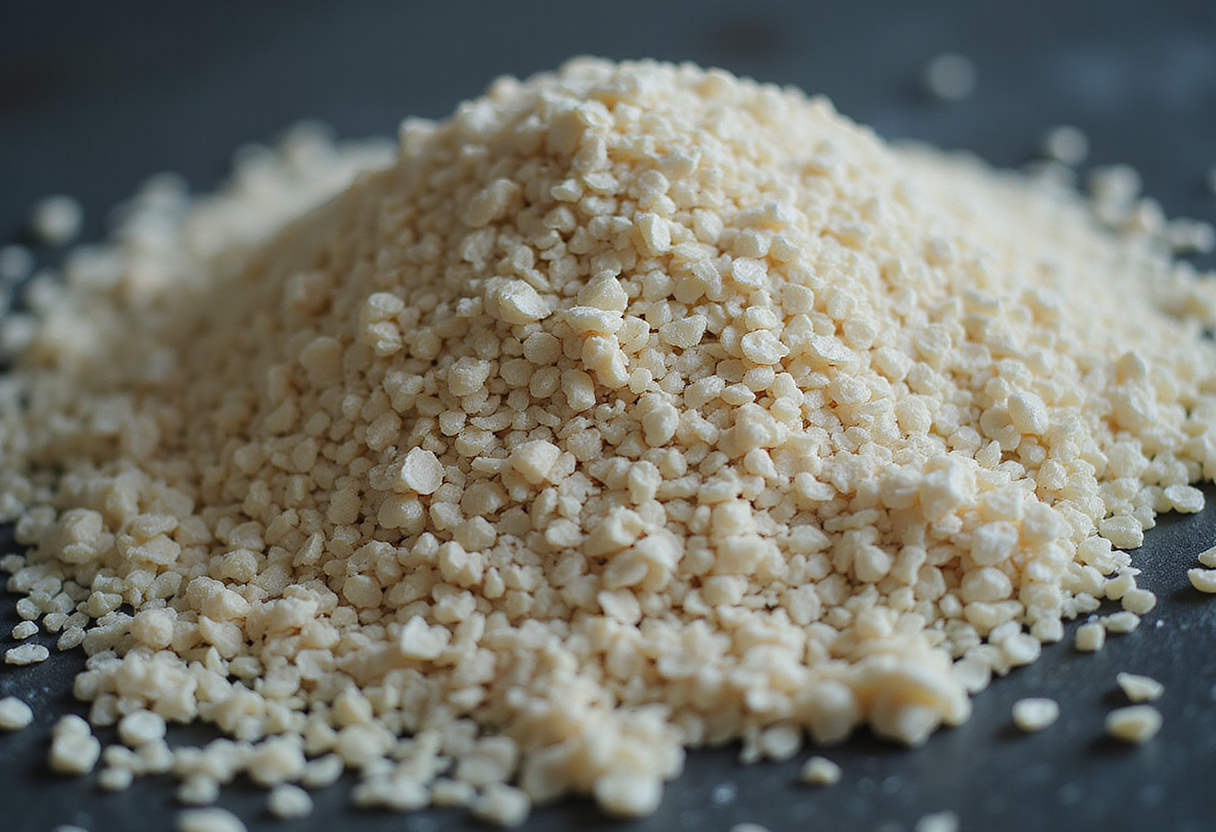
Fertilizer prices dropped this week as news of a peace deal between the United States and Iran moved through global crop-input markets, farmpolicynews.illinois.edu reports.
The price decline comes as a rare piece of cost relief for growers who have watched fertilizer line items pressure crop budgets across consecutive seasons. For corn producers in particular, nitrogen remains the single largest variable input, and any movement in urea, UAN, or ammonia quotes directly shifts breakeven margins at the farm level.
The mechanism behind the drop is straightforward. Iran is a significant exporter of urea and ammonia, and sanctions-related risk premiums have been embedded in fertilizer pricing since tensions in the Gulf region escalated. A peace deal between Washington and Tehran reduces the perceived risk of supply disruption from Iranian production and export terminals, and buyers have responded by pulling bids lower.
Traders and procurement managers typically treat geopolitical de-escalation headlines with caution, because price moves recorded in the days immediately after such announcements often reflect positioning rather than settled fundamentals. Whether the decline holds will depend on actual export flows, shipping availability, and energy prices in the weeks ahead — all of which remain to be confirmed in reported transaction data rather than headline quotes.
For US growers, the timing matters. Late-season nitrogen purchases and fall application plans for the next crop year are sensitive to week-to-week price movements, and cooperatives and retail suppliers will be watching whether lower wholesale values pass through to farm-gate quotes. Basis and margin planners will want to separate the speculative portion of this decline from any durable cost reduction.
The development also lands amid a broader stretch of input-cost scrutiny, with farmers and their representatives pressing suppliers and policymakers for transparency on why retail fertilizer prices have historically lagged wholesale declines. A sustained drop tied to reduced geopolitical risk would test that pass-through once again.
How the market digests the US-Iran agreement — and whether Iranian fertilizer supply returns to world trade in volume — will determine whether this week's lower quotes mark a durable reset in input costs or a temporary reaction to headlines.
via Google News: Fertilizer markets (Source)
More from Marcus Bennett
Show full bio
Senior reporter covering marketplaces and e-commerce at Agribusiness Wire.
127 articles
Also in the yard
- Middle East Conflict Pushes Fertilizer Prices Up Ahead of Fall Application
- farmdoc daily: Iran Conflict Is Pushing Up U.S. Fertilizer Costs
- Iran Conflict Raises Fertilizer-to-Food Security Risk, IFPRI Warns
- Hormuz Stays Open, but Fertilizer Prices Keep Climbing
- Conflict Drives Fertilizer Prices Higher, Squeezing US Farm Margins