Lot No. LOT-9807 · offered November 6, 2026
Agricultural PolicyLot sheet
Farmer Sentiment Rises to 126 as ARC-PLC Payments Land, Purdue Barometer Shows
Purdue/CME Group Ag Economy Barometer rose to 126 in October as ARC-PLC payments landed; only 35% still say tariffs help farming long term.
Market notes
- Ag Economy Barometer rose from 123 in September to 126 in October 2026, surveying 400 farmers Oct. 12-16.
- Farm Capital Investment Index jumped from 39 to 55, its strongest reading in nearly a year, yet only 20% say now is a good time to invest.
- Share of producers believing tariffs strengthen agriculture long term fell to 35%, from a 49%-70% range in prior surveys.
- 48% said the country is headed in the right direction, second straight month below the 60% average of July 2025-June 2026.
- Long-Term Farmland Value Expectations Index dropped 6 points to 162.
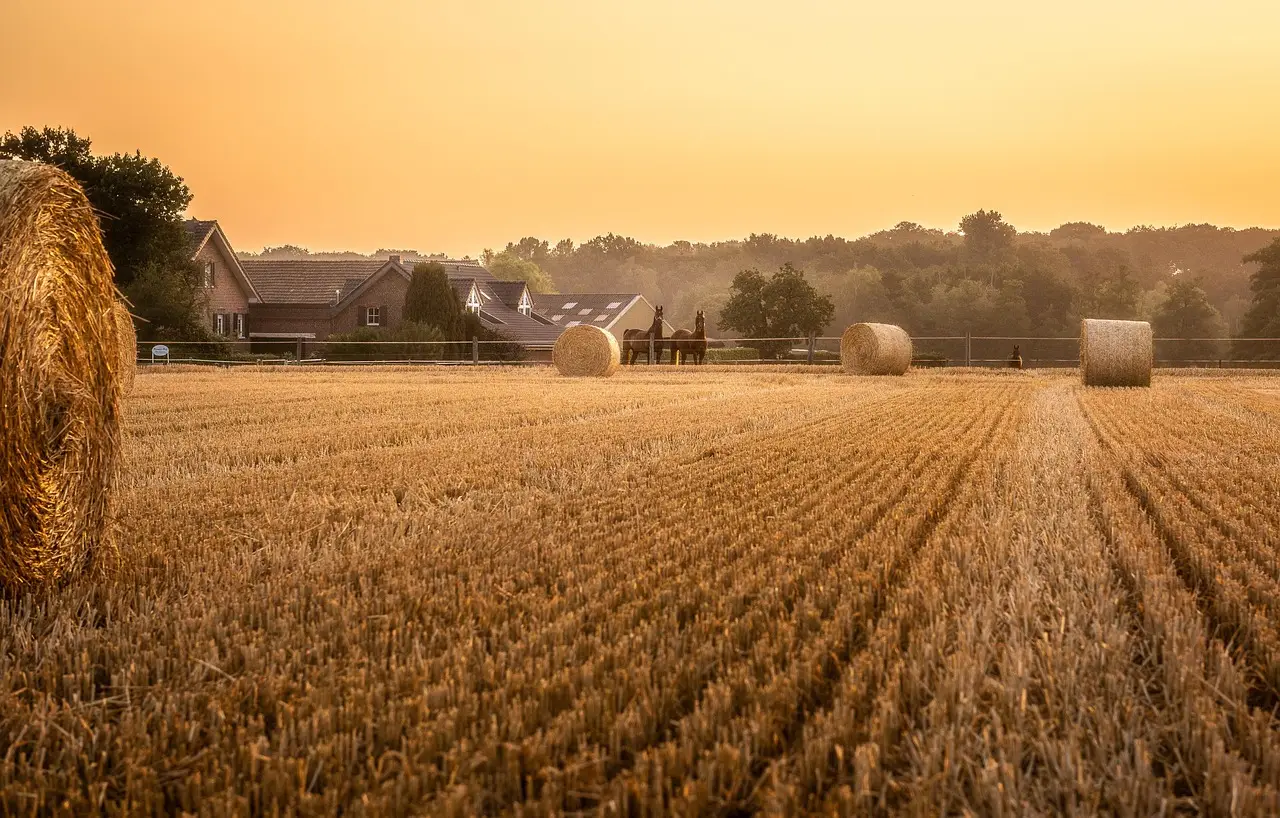
Farmer sentiment climbed three points in October, as the Purdue University/CME Group Ag Economy Barometer rose from 123 in September to 126 — a gain that coincided with USDA's distribution of Agriculture Risk Coverage and Price Loss Coverage payments.
The survey of 400 farmers nationwide, conducted Oct. 12-16, showed a 16-point jump in the Index of Current Conditions. But the barometer report offers a caveat of its own: respondents were not specifically asked whether the government payments drove their answers. The timing is suggestive, not proven.
The improvement was uneven. The Index of Future Expectations fell 2 points, and high input costs remained the largest single concern among producers. Two forward-looking gauges moved the other way: the Farm Financial Performance Index rose from 90 to 94, and the Farm Capital Investment Index jumped from 39 to 55.
What does the investment jump actually mean?
The Capital Investment Index reading of 55 was the strongest in nearly a year. Even so, most respondents said they still hesitate to commit to large purchases. Only 20% called now a good time to invest in machinery and buildings.
The gap between the index surge and the thin share of willing buyers points to sentiment recovering faster than actual spending plans.
Are farm balance sheets holding up?
October's special questions on farm resilience returned moderately reassuring numbers:
- 62% agreed or strongly agreed that their balance sheets are strong
- 60% agreed or strongly agreed that they hold a solid working capital position
The trend beneath those figures is less comforting. In the January 2026 survey, 75% of respondents claimed a strong balance sheet. The 13-point slide from January to October suggests producers entered harvest less confident in their financial footing than they began the year.
Where do farmland values head from here?
Producers stayed optimistic about farmland values over the next five years, but both expectation indexes slipped. The Short-Term Farmland Value Expectations Index fell 1 point to 125, and the Long-Term Index dropped 6 points to 162.
Respondents named three forces as the greatest influences on farmland values: alternative investments, interest rates and inflation.
Is policy confidence cracking?
The sharpest shift in the October data came on trade policy. Earlier surveys found between 49% and 70% of respondents believed increased U.S. tariff use would strengthen the agricultural economy in the long run. In October, only 35% held that view.
The broader political mood track edged lower as well. Fewer than half of respondents — 48% — said the country is headed in the "right direction," the second consecutive month below the 60% average recorded from July 2025 through June 2026.
Michael Langemeier, the barometer's principal investigator and director of Purdue's Center for Commercial Agriculture, framed the mixed picture directly. "While producers saw some relief this month due to government program support, many remain uncertain about how future policy decisions could affect agriculture," he said. "Responses to our policy questions suggest that concerns about trade policy and the country's broader direction are shaping how producers view agriculture's long-term prospects."
The takeaway: a government-payment bump lifted current conditions, but the long-term outlook — on trade, tariffs and farmland — continued to soften, and the November reading will show whether the payment effect holds once the checks clear.
via Feedstuffs (Source)
More from Olivia Hart
Show full bio
News editor covering technology and product news in Agribusiness coverage for industry professionals at Agribusiness Wire.
476 articles