Lot No. LOT-3706 · offered October 27, 2026
Agricultural PolicyLot sheet
Farm Bill Stalls Until After Nov. 3 Election, Moran Says
ARC and PLC will pay out $13.8 billion for 2025, yet the farm bill waits on the Nov. 3 election, Sen. Jerry Moran says, with Senate passage needing at least 10 Democrats.
Market notes
- ARC and PLC programs will generate approximately $13.8 billion in gross payments for the 2025 crop year, the largest payout since the programs' 2014 creation.
- The farm bill expired Sept. 30, reverting agriculture policy to the 2018 farm bill.
- The House passed its farm bill 224-200 in April; Senate passage needs at least 10 Democratic votes.
- USDA Secretary Brooke Rollins announced the payment figure on Oct. 7.
- No floor action is expected until after the Nov. 3 election.
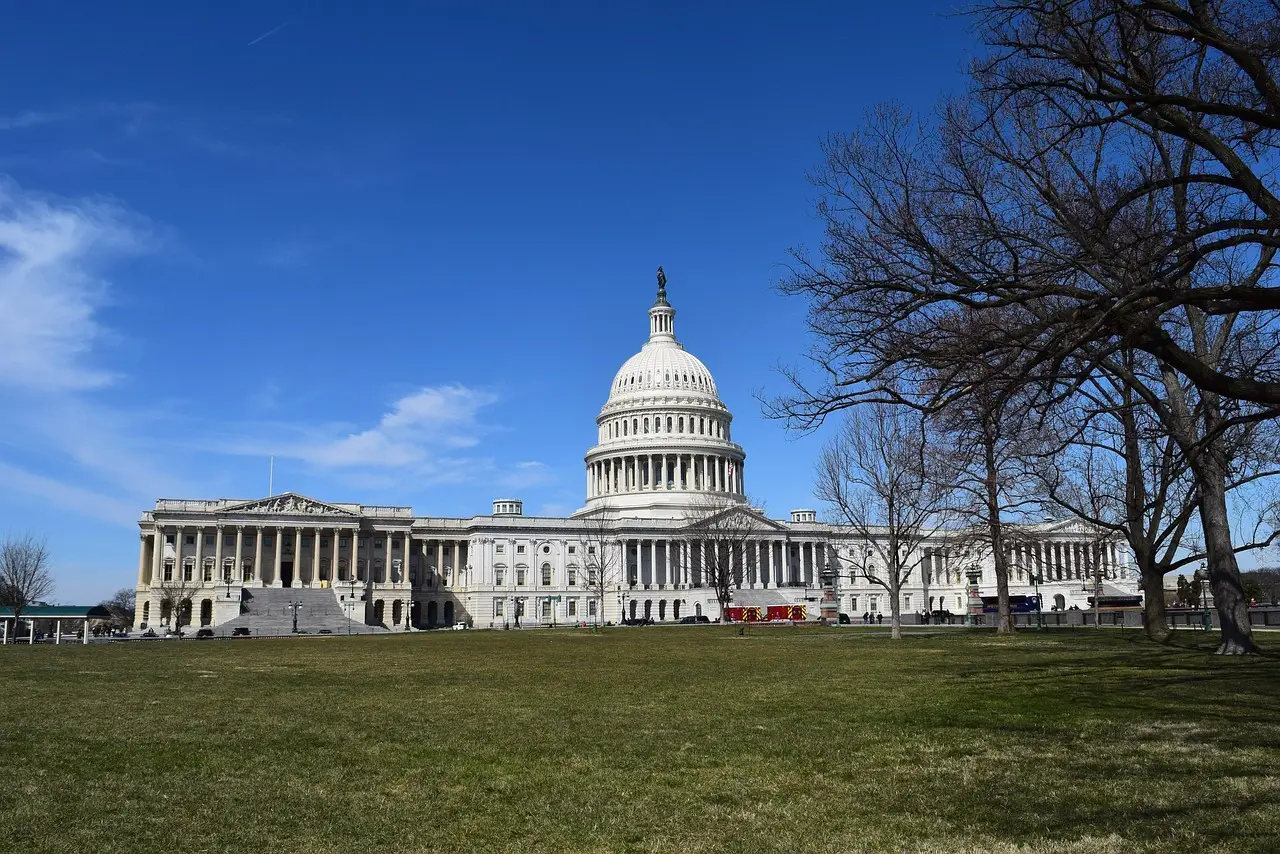
The Farm Service Agency's Agriculture Risk Coverage and Price Loss Coverage programs will pay eligible producers roughly $13.8 billion for the 2025 crop year — the largest annual payout since the programs were created in the 2014 farm bill — even as the new farm bill itself sits in a holding pattern until after the Nov. 3 election, according to U.S. Sen. Jerry Moran.
U.S. Secretary of Agriculture Brooke Rollins announced the payment figure Oct. 7. The Kansas Republican and Senate Agriculture Committee member said the payments reflect both the modernized safety net and the squeeze producers face.
"While these payments display the tangible benefits of provisions in last year's reconciliation bill that modernized farm safety net programs, the significant increase in payments compared to last year reflects the tremendous challenges U.S. producers are facing due to high input costs and limited market," Moran said. "I am committed to continue working both to expand markets for Kansas producers and make certain they have the support they need to withstand difficult times."
The farm bill expired Sept. 30. In its absence, agricultural legislation reverts to the 2018 farm bill's provisions. Moran stressed that the safety net itself remains intact: the Working Families Tax Cuts Act, also known as the One Big Beautiful Bill Act, signed by President Donald Trump in July 2025, embedded safety-net provisions and triggered recent payments to Kansas farmers and producers nationwide.
Where does the legislation stand?
The House passed its farm bill 224 to 200 in April. The Senate Agriculture Committee passed a version this fall. Senate floor passage requires bipartisan support — at least 10 Democrats, assuming every Republican votes yes, Moran said.
The Nov. 3 election outcome shapes what happens next. Republicans currently control both chambers, and Democrats on the agriculture committees have indicated they also want a farm bill. If Republicans lose both chambers, Moran said Democrats could push to wait until the new Congress convenes in January — though he prefers finishing the overdue bill by year's end.
Congress is not in session, but committee staff, chairs and ranking members continue talking. That could signal movement in the lame-duck session.
The House and Senate bills share similar frameworks, which Moran called encouraging. If both chambers pass their versions, negotiators would reconcile them, with the House likely leading.
"One of the differences this time in not getting a farm bill done is the bulk of the farm bill was completed last year," Moran said, pointing to the 2025 reconciliation law that secured the safety net for farmers and ranchers through 2026.
"It's the one that matters the most at this moment when commodity prices are so low, and input prices are so high," he said.
What happened to bipartisanship?
Moran acknowledged producers' frustration with the slow process. "There's a lot of members of Congress who come from agricultural districts, and they want to get this accomplished," he said. "It was disappointing to me that no Democrat voted for the bill in the committee and we need to rectify that. The ag committee has been one of the most bipartisan committees in Congress and even that is changing in nature. I would tell farmers that they need to utilize the programs that are in place and we'll continue to work hard to see that it gets done."
Kansas holds unusual leverage on both committees. Sen. Roger Marshall, also a Senate Agriculture Committee member, is committed to ensuring farmers and ranchers have financial tools, Moran said. Rep. Tracey Mann, a Republican from the 1st District, and Rep. Sharice Davids, a Democrat from the 3rd District, both sit on the House Agriculture Committee and both supported the House measure.
Moran expects Mann — once his House intern — to contend for House Agriculture Committee leadership when the new Congress is sworn in. "It's certainly something that would be a significant development for ag policy and the well-being of Kansas farmers and ranchers," Moran said. "That would be a great path for Tracey and a wonderful development for Kansas."
Why are input costs climbing?
Producers face higher interest rates, fuel costs and fertilizer expenses, Moran said, and fuel costs have risen dramatically since February.
"The administration's actions in Iran is a factor in why diesel fuel, natural gas, gasoline, and refined oil products are expensive and it's problem for fertilizer," Moran said. "One of the most important things that can happen on input costs is to figure out the path by which we conclude what's taking place in the Middle East. That's up to the president and his administration."
On trade, Moran said Congress should press the administration to strike more deals. Tariffs can serve as leverage to pry open markets, he said, but should not be a constant threat.
"We need to figure out our relationship with China," he said. "In regard to trade, there's no more important country particularly when it comes to grain sorghum in western Kansas and soybeans across the rest of our state." When China is absent from the marketplace, American agriculture suffers, he said.
"We produce more than in the U.S. than we consume here. In agriculture, the way we earn a living is by selling it to somebody outside our country," Moran said.
He also called for solid relationships with Canada and Mexico, anchored in the United States-Mexico-Canada Agreement. "While there are improvements that can still be made to the USMCA, the outcome needs to be a solid agreement, not a trade war or a battle with our neighbors," Moran said.
The bottom line: producers hold a functioning safety net through 2026, but the farm bill's fate — lame-duck passage or a January restart — depends on what voters decide Nov. 3.
via High Plains Journal (Source)
More from Grace Kim
Show full bio
Correspondent covering people, launches and day-to-day practice in Agribusiness coverage for industry professionals at Agribusiness Wire.
466 articles