Lot No. LOT-1680 · offered September 29, 2026
Agricultural PolicyLot sheet
Farm Bill Politics and Iowa's Cancer Crisis Take Center Stage
Farm Action Fund's Adam Shriver joins The New Lede to discuss Farm Bill talks, corporate consolidation's toll on farmers, and Iowa's cancer and pollution crisis.
Market notes
- Adam Shriver of Farm Action Fund discussed Farm Bill deliberations, corporate consolidation, and Iowa's cancer and pollution issues with The New Lede on September 29, 2026.
- The Farm Bill has advanced without the controversial "Save Our Bacon Act" provision.
- California now requires state disclosure of PFAS pesticide use under a landmark bill.
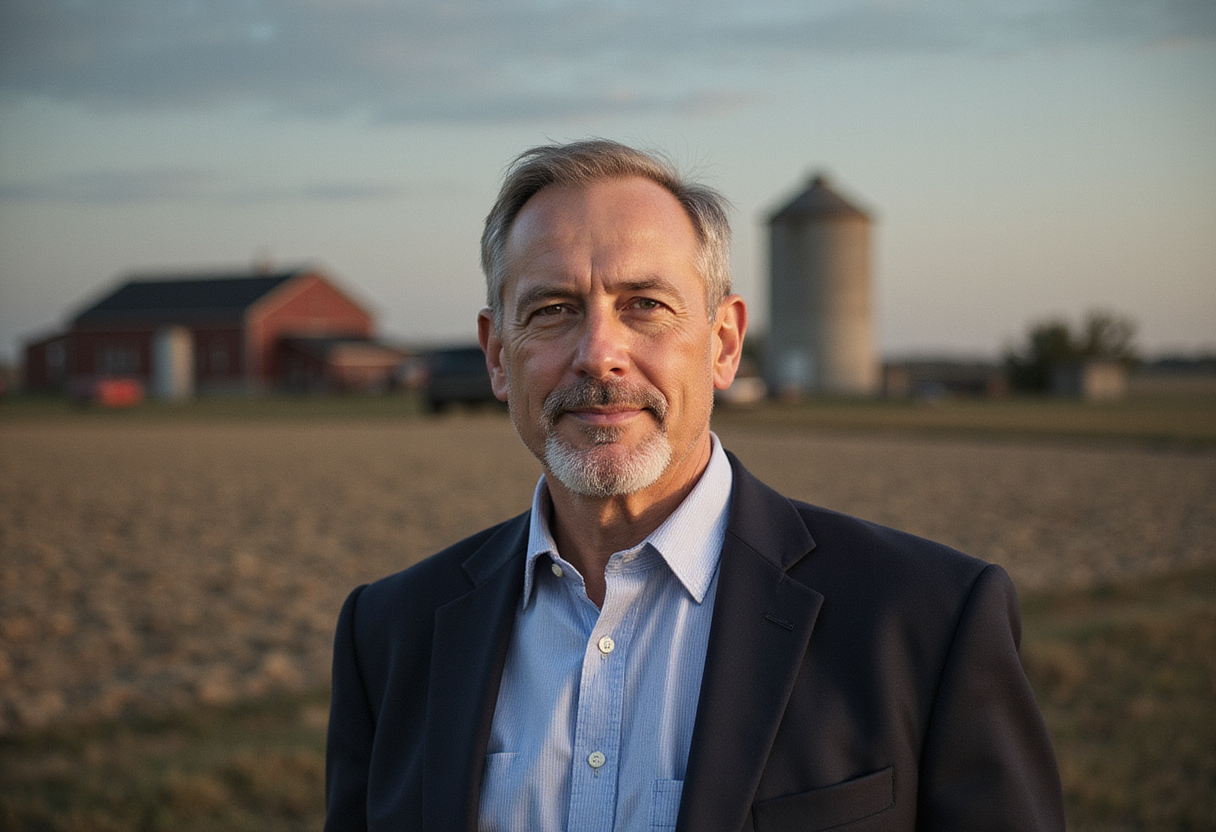
Farm Bill deliberations, corporate consolidation in agriculture, and Iowa's cancer and pollution problems converged in a video interview published September 29 by The New Lede, as campaign-season pressure builds in the Hawkeye State over public health and farm policy.
In the conversation with The New Lede managing editor Brian Bienkowski, Adam Shriver of Farm Action Fund — host of the Canary in a Cornfield podcast — laid out how the two issues intersect for growers and rural communities. Shriver addressed the state of Farm Bill talks in Congress, the ways he argues corporate concentration squeezes farmers, and why cancer rates and agricultural pollution have moved to the foreground of Iowa's political campaigns.
The interview arrives as the Farm Bill advances without the controversial "Save Our Bacon Act," a proposal that had drawn pushback from agricultural and public health advocates during the legislative process. Shriver and Bienkowski also touched on related reporting from The New Lede, including a landmark California bill that now requires the state to disclose PFAS pesticide use — a transparency measure with direct implications for input makers and applicators tracking chemical disclosure rules across state lines.
For Iowa, the stakes are both epidemiological and economic. The New Lede's ongoing "Cancer in the Corn Belt" reporting project examines evidence linking Iowa agriculture to public health problems, and the outlet's "Paraquat Papers" investigation draws on Syngenta records to document corporate decision-making around the weedkiller paraquat. That body of work frames the political debate Shriver describes: voters and candidates in Iowa are increasingly forced to weigh farm-sector interests against documented pollution concerns and elevated cancer rates.
Shriver's Farm Action Fund has positioned itself as a voice for farmers against consolidated market power, arguing that concentration among input makers, processors, and buyers narrows grower margins and reduces bargaining leverage. The podcast host tied that structural critique to the Farm Bill fight, where subsidy architecture, conservation programs, and commodity provisions determine how value flows down the supply chain.
The interview also sits alongside The New Lede's broader coverage of pesticide regulation, including recent reflections from a former EPA chemist on how the agency handles chemical reviews, and reporting on what pesticide-industry critics describe as coordinated public relations campaigns aimed at silencing opponents.
Agribusiness operators watching the Farm Bill track will find the discussion relevant on two fronts. First, the fate of provisions like the excluded "Save Our Bacon Act" signals which interests hold leverage in the final text. Second, state-level disclosure mandates — California's PFAS pesticide reporting requirement being the current example — point to a patchwork regulatory environment that input suppliers and applicators will need to navigate as more states weigh transparency laws.
Shriver indicated that Iowa's cancer and pollution concerns will remain campaign issues through the election cycle, suggesting the political pressure could shape both the final Farm Bill provisions and future state-level agricultural policy in the Corn Belt.
via ewg.org (Original)
More from Marcus Bennett
Show full bio
Senior reporter covering marketplaces and e-commerce at Agribusiness Wire.
127 articles