Lot No. LOT-1869 · offered October 1, 2026
Agricultural PolicyLot sheet
Farm Bill Expiration Adds Uncertainty for Washington Wheat Growers
Expiration of the farm bill leaves Washington wheat growers without a confirmed safety net, complicating input purchases, marketing and operating credit for the season ahead.
Market notes
- The farm bill has expired, ending authority of the 2018 law and leaving key support programs in limbo.
- Washington wheat growers face uncertainty over Title I commodity programs and crop insurance as they plan input purchases and marketing.
- Timing of reauthorization or an extension will determine which crop year new provisions cover.
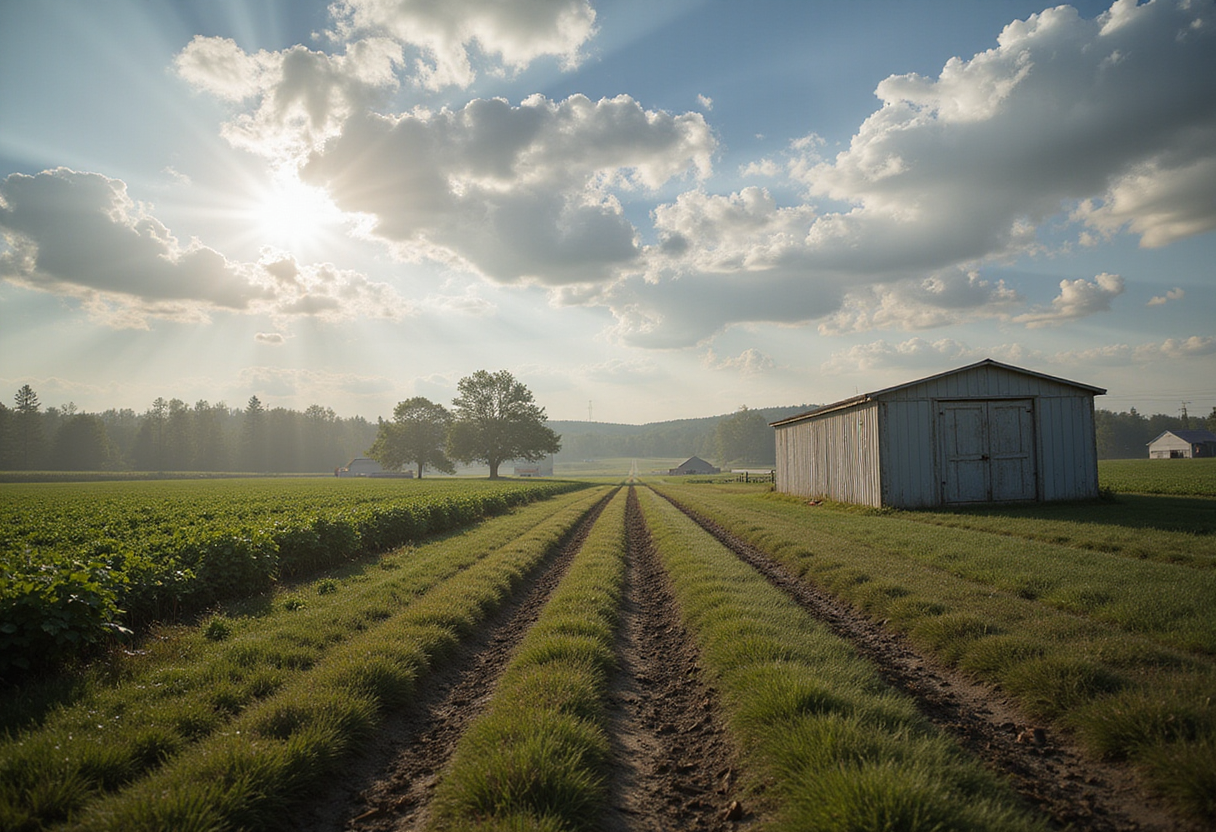
The expiration of the farm bill has added a new layer of uncertainty for Washington wheat growers, who now face the growing season without a confirmed safety net for the programs they have budgeted against.
The lapse ended the authority of the 2018 farm bill, and with it the certainty that growers in the Palouse and the broader wheat-producing regions of Washington have relied on when planning input purchases, land rents and marketing decisions. Wheat remains one of the state's signature crops, and the farm bill's commodity, crop insurance and conservation titles directly shape margins for the growers who plant it.
For growers, the practical stakes are straightforward. Title I programs, including Agriculture Risk Coverage and Price Loss Coverage, set the reference prices and payment mechanisms that determine whether a farm receives support when market prices fall below statutory thresholds. Crop insurance, administered through USDA's Risk Management Agency, underwrites a large share of the state's wheat acreage. Conservation programs fund practices — residue management, erosion control on the region's steep hillslopes — that also affect yield stability and input costs.
Without reauthorization, some programs continue only under continuing resolutions or permanent-law provisions, while others lose new funding entirely. That distinction matters for growers deciding now on seed, fertilizer and chemical purchases for the next planting window, because the cost of those inputs is fixed well before any support payment, if one arrives, lands in a farm account.
The uncertainty compounds what has already been a difficult pricing environment for wheat. Growers weighing forward contracts and basis levels must now also discount the possibility that the support structure in place at planting differs from the one in place at harvest — a calculation that lenders factor in as well when they review operating credit lines each spring.
Washington's congressional delegation has historically played an active role in farm bill negotiations, given the state's position as a major wheat exporter through Columbia River terminals. How quickly lawmakers resolve the impasse will determine whether growers enter the next crop year under a familiar framework or under a patchwork of extensions and expiring authorities.
Until reauthorization or an extension passes, growers and their associations will be watching USDA notices and congressional calendars closely, since the timing of any new bill determines which crop year its provisions cover.
via Google News: Farm bill and ag policy (Source)
More from Grace Kim
Show full bio
Correspondent covering industry trends and analytics at Agribusiness Wire.
166 articles
Also in the yard
- Farm bill lapse leaves Washington wheat growers without safety net
- Farm Bill Talks Move Out of Public View as Deadlines Press
- Farm Bill Clears Committee Hurdle, Heads to Full Senate
- Farm Bill Stalemate Drags On, Farmdoc Daily Warns of Risk
- Wheat Growers Tell Congress: Farm Bill Delay Threatens Family Farms