Lot No. LOT-3020 · offered October 9, 2026
Commodity MarketsLot sheet
European Grain Prices Face Doubling Risk as Market Shocks Converge
European grain prices could double if overlapping supply and trade shocks converge, analysts warn — a scenario that would squeeze livestock and processing margins.
Market notes
- Analysts warn European grain prices risk doubling as multiple market shocks converge.
- The doubling scenario requires simultaneous supply, trade and cost shocks rather than a single driver.
- The projection is a scenario forecast, not a harvested or confirmed market result.
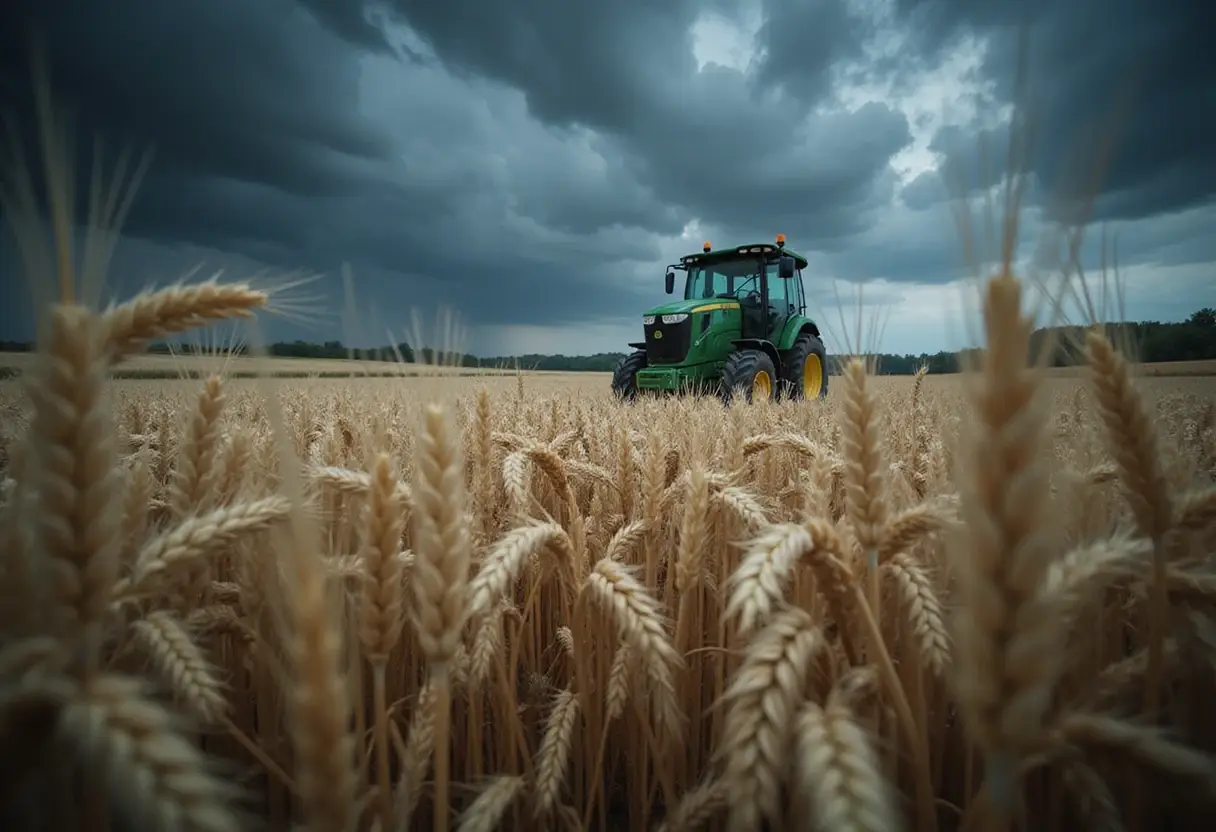
European grain prices could double as multiple market shocks converge on the region's cereal supply chain, according to a new analytical warning that ranks a twofold price increase among the realistic downside scenarios for the season ahead.
The projection stands out against the ordinary seasonal band of grain price movement in the EU, where year-on-year swings of 10–30% are typical and a doubling of prices usually requires a combination of harvest failure, trade disruption and demand-side pressure occurring at once. That combination is precisely what analysts now see building.
What could drive prices toward a doubling scenario?
The warning rests on the compounding effect of simultaneous shocks rather than on any single driver. When supply shortfalls, export constraints and cost inflation in inputs arrive together, grain markets lose the normal buffers — stock drawdowns, import substitution and demand rationing — that usually cap price rallies.
For European growers, the scenario cuts both ways. Higher cash prices would lift headline revenues for farms with grain to sell, but the same shock environment typically raises input costs, freight and volatility, compressing margins even as board prices climb. Livestock producers and food processors would face the sharpest cost squeeze, since feed and milling grain make up a large share of their operating expenses.
Why should buyers treat the number carefully?
A doubling projection is a scenario forecast, not a harvested result. It depends on assumptions about weather, trade flows and policy responses that remain uncertain, and readers should treat it the way any forward-looking price model deserves: as one modeled outcome among several, not a point forecast.
European grain markets have seen rapid repricing before when shocks stacked up, and history shows that prices can retreat just as fast when one leg of the scenario — a supply shortfall, a trade bottleneck — fails to materialize.
The immediate practical takeaway for market participants is timing. Procurement managers and growers making forward sales decisions in the coming weeks will want to weigh hedge coverage against the possibility that the convergence scenario strengthens as more harvest and trade data arrive. The analysts behind the warning expect clarity to build as the season's supply picture firms up.
via Google News: Grain prices (Source)
More from Rebecca Stone
Show full bio
Market editor covering people, launches and day-to-day practice in Agribusiness coverage for industry professionals at Agribusiness Wire.
434 articles
Also in the yard
- Inflation Squeeze Adds New Downside Risk to U.S. Grain Prices
- European Grain Prices Hold Steady as Geopolitical Risks Weigh
- Grain and Livestock Markets See Risk-Off Selling Tied to Inflation, Harvest
- Grain Prices Surge as Farmers Rush to Sell Stored Crops
- Global Crop Prices Post Biggest Jump Since 2022, Raising Inflation Risk