Lot No. LOT-8096 · offered October 9, 2026
Seeds, Crop Protection & FertilizerLot sheet
Corteva's Seed and Crop Protection Split Draws Investor Scrutiny
Yahoo Finance frames Corteva's seed and crop protection units as distinct financial engines. The framing matters for farmers, cooperatives, and analysts tracking segment-level EBITDA, pricing power, and trait versus chemistry decisions.
Market notes
- Yahoo Finance published an analysis titled 'Why Corteva's Seed and Crop Protection Engines Matter to Investors'
- Corteva separated from DowDuPont in June 2019 and trades on the NYSE under ticker CTVA
- Corteva is headquartered in Indianapolis, Indiana, and reports in two segments: seeds (Pioneer brand) and crop protection (legacy Dow AgroSciences products)
- U.S. seed sales typically concentrate in Q3 (fall delivery); crop protection revenue concentrates in Q2 (spring application)
- Corteva's next scheduled earnings update typically released in early November
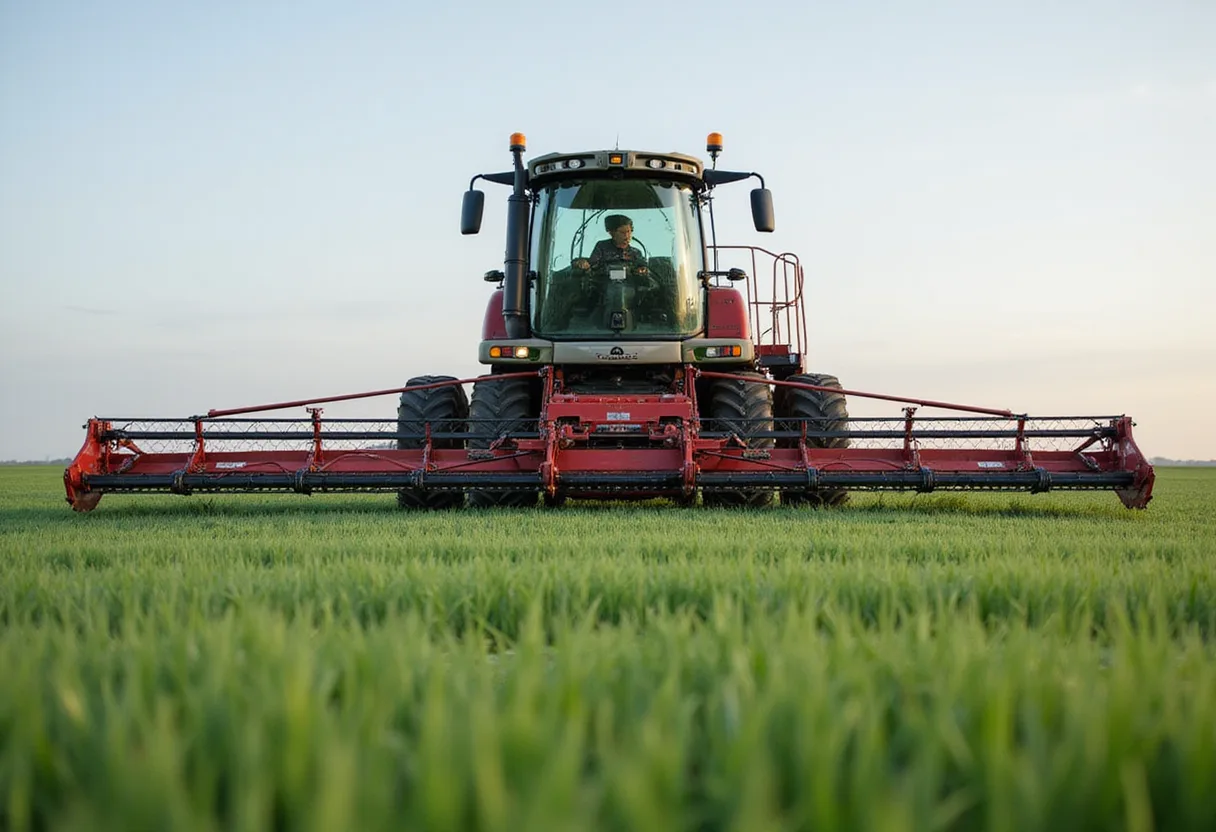
A Yahoo Finance analysis is drawing renewed attention to how Corteva structures its seed and crop protection businesses, framing each segment as a distinct financial engine for investors watching the agrichemical sector.
The piece, published under the headline "Why Corteva's Seed and Crop Protection Engines Matter to Investors," arrives as the Indianapolis-based company continues reporting separate performance data for its two core divisions. Corteva trades on the NYSE under the ticker CTVA, separated from DowDuPont in June 2019, and has organized operations around two pillars: seed sales anchored by the Pioneer brand and crop protection products carrying the legacy Dow AgroSciences label.
Why does segment reporting matter on the farm?
For growers and the cooperatives that supply them, the two segments map directly onto two sets of input decisions. Seeds determine yield potential, hybrid choice, and trait fees. Crop protection determines seasonal weed, disease, and insect management costs.
Segregating the two in financial reporting lets analysts and farm operators compare Corteva's performance against rivals including Bayer's Crop Science division, Syngenta, and BASF's agricultural solutions unit. Industry analysts typically track operating EBITDA margins at the segment level to gauge pricing power.
- A sustained margin expansion in seeds suggests growers are accepting trait fees and premium genetics.
- Margin expansion in crop protection suggests the company is holding or raising prices despite generic competition.
Corteva runs a global seed business that includes corn, soybean, sunflower, canola, rice, and forage genetics. Pioneer-branded corn historically anchors the seed line. The crop protection segment spans herbicides, insecticides, and fungicides. Enlist herbicides and Resicore corn herbicide rank among the better-known U.S. brands.
How does the investor lens change the picture?
Treating the two businesses as separate engines shifts how analysts value them. Seed businesses tend to carry higher steady-state margins but require heavy annual R&D and breeding investment that pays off across multiple sales cycles. Crop protection offers shorter product life cycles but faces more direct generic competition once patents expire.
That divergence affects how analysts model the company's weighted average cost of capital and the valuation multiple they apply to projected cash flows. For a farmer-owned cooperative evaluating a supplier, the same lens raises questions about long-term R&D commitments in seed versus price stability in chemistry.
U.S. seed sales typically peak in the third quarter as distributors and retailers book fall delivery. Crop protection revenue concentrates in the second quarter during the spring application window. The seasonal mismatch is one reason analysts keep the segments separate rather than rolling them into a single "agricultural inputs" line.
What data do investors still need?
The Yahoo Finance piece, as circulated via the headline alone, does not provide segment-level revenue, margin, or volume figures in the material available. Readers looking for hard numbers on quarterly seed sales versus crop protection sales will need to check Corteva's most recent 10-Q or earnings release, where the company breaks out net sales and operating EBITDA for each segment on a quarterly and year-to-date basis.
Until those filings supply the underlying data, the investor framing functions as a reminder rather than a revelation. Corteva's two engines are not new, but the comparison framework between them remains the variable most worth watching for anyone with a stake in U.S. farm input economics.
The company's next scheduled earnings update, typically released in early November, will provide the next round of segment data against which the headline's thesis can be tested.
via Google News: Crop protection (Source)
More from Nathan Brooks
Show full bio
Staff writer covering regulation, policy and their impact on Agribusiness coverage for industry professionals at Agribusiness Wire.
470 articles