Lot No. LOT-8388 · offered November 10, 2026
Crop EconomicsLot sheet
Corn Stover Sells at Roughly Half the Price of Good Hay in Drought Year
Drought-hit Great Plains producers can cut feed costs with corn stover at roughly half the price of hay, but nutrient removal and erosion cover factor into the deal.
Market notes
- Corn stover costs roughly half the price of good hay or alfalfa, per SDSU Extension estimates.
- Drought across the Great Plains has producers seeking extra forage for livestock.
- Stover removal takes nitrogen, phosphorus and potassium off the field, requiring replacement for the next crop.
- Residue cover helps control wind erosion, especially in low-snowfall winters.
- Partial stover removal can warm soil faster in spring, aiding uniform seed emergence.
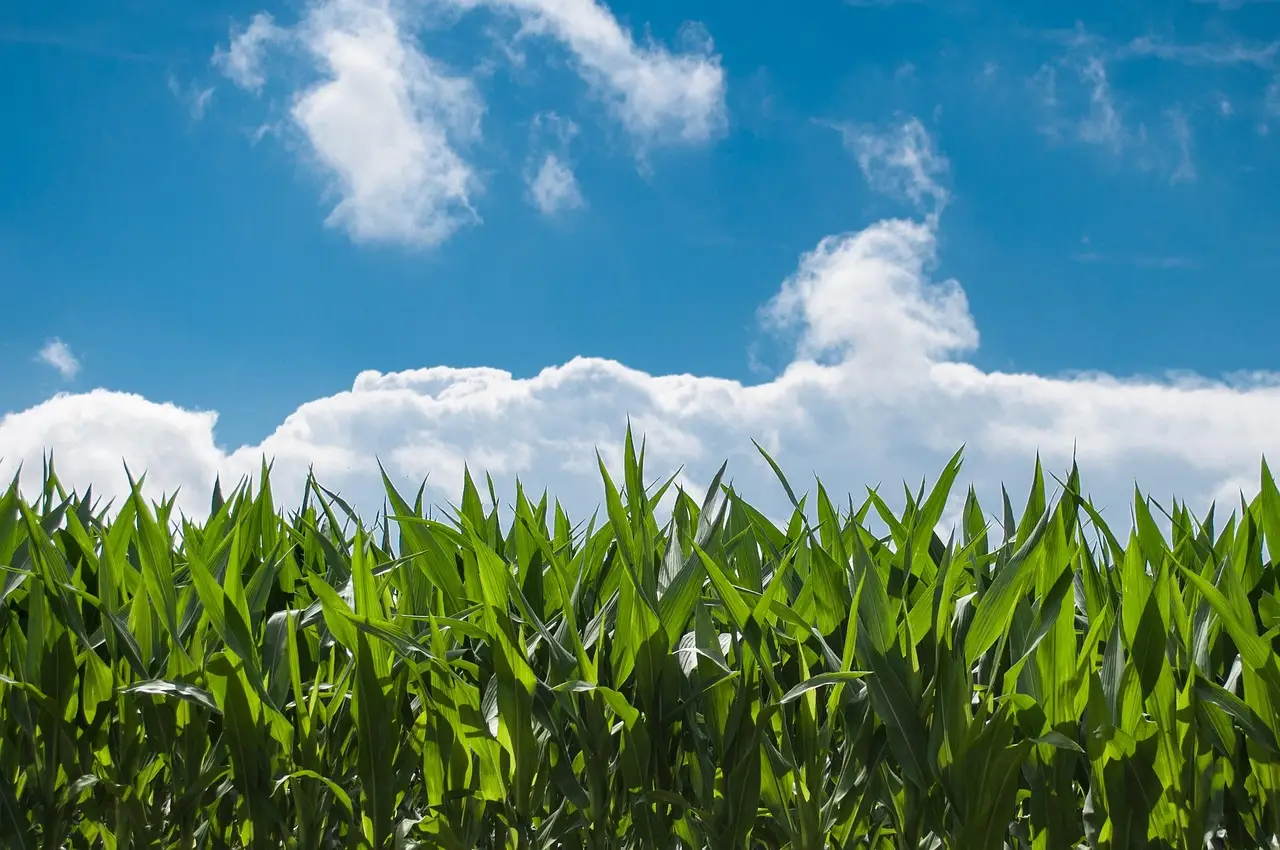
Corn stover runs about half the price of good hay or alfalfa, and that spread is pushing Great Plains cattle producers toward baling residue as drought tightens forage supplies across the region. Heather Gessner, livestock business management field specialist and interim Agriculture and Natural Resources Program leader at SDSU Extension in Brookings, South Dakota, laid out the economics and the agronomic trade-offs.
"We need something to feed that feeds a whole lot better than a snowbank," Gessner said, describing the forage squeeze producers face this year.
What does stover do in the ration?
Stover is what the combine leaves behind: stalks, leaves, husks and a little remaining corn. Producers once grazed those acres. Baling has become more common as corn yields climb, Gessner said.
The baled material works as a base and carrier for distillers grains, pelleted soybean meal and similar protein packages. The strategy keeps daily ration costs down while reserving expensive quality forage for when cows actually need it.
"We can keep the cow full by using some of these lower priced forages and then balance the ration using other high density nutrient feed materials in a different package," Gessner said. "We can save our alfalfa for when the cows really need it, in that third trimester or when they're lactating."
In mid-gestation, when cows are not lactating, nutrient requirements drop. That is the window for cheap stover-based rations. When drought drives alfalfa and quality hay prices up, holding the per-day cost of the ration down matters more than usual. Gessner cautioned producers to check local prices rather than assume the discount holds everywhere.
What does removing stover cost the field?
Crop producers pay the other side of the ledger. Gessner flagged two main concerns: residue cover and nutrient removal.
The stover blanket left on the ground guards against erosion. In winters with little snowfall, that residue layer helps hold the soil against wind erosion on aftermath acres, she said.
The second cost is fertilizer value leaving the field. "So, how much nitrogen, how much phosphorus and potassium are we taking off of the ground that we have to put back next year to grow the next crop?" Gessner said. "So, there's some value to that and there's some calculations and formulas that you can use to figure that."
Those replacement calculations belong in any sale or baling decision, because nitrogen, phosphorus and potassium removed in stover must be reapplied to support the next crop.
Can partial removal pay agronomically?
Gessner said producers can also weigh a potential upside: taking some stover off lets soil warm faster in spring, which could open an earlier growing season.
"Sometimes those growing degree days, we are really fighting for every day that we can get and if we can warm up that ground a little quicker, seed sprout better, they sprout more uniformly and all those agronomic components go in that direction as well," Gessner said.
The decision comes down to balancing a discounted feed ingredient against residue cover, replacement fertilizer costs and a possible head start on planting. Producers comparing local stover prices against hay quotes, and running the nutrient-removal math before the combine rolls, will know whether the trade works on their own ground.
via agweek.com (Source)
More from Marcus Bennett
Show full bio
Senior reporter covering regulation, policy and their impact on Agribusiness coverage for industry professionals at Agribusiness Wire.
456 articles