Lot No. LOT-6708 · offered October 16, 2026
Commodity MarketsLot sheet
Corn, Soybeans Close Below Support as Harvest Pressures; Cattle Rebound
Corn and soybeans closed below support as harvest progress and NOPA crush data weighed on futures, while cattle rebounded on tight supplies and short covering.
Market notes
- Corn and soybean futures closed below chart support this week
- Harvest supply and NOPA monthly crush data drove the row-crop selloff
- Cattle futures rebounded in the same session on tight fed-cattle supplies
- Break below support signals seller control and raises cash-price risk for unpriced bushels
- USDA harvest progress and weekly export data are the next market-moving releases
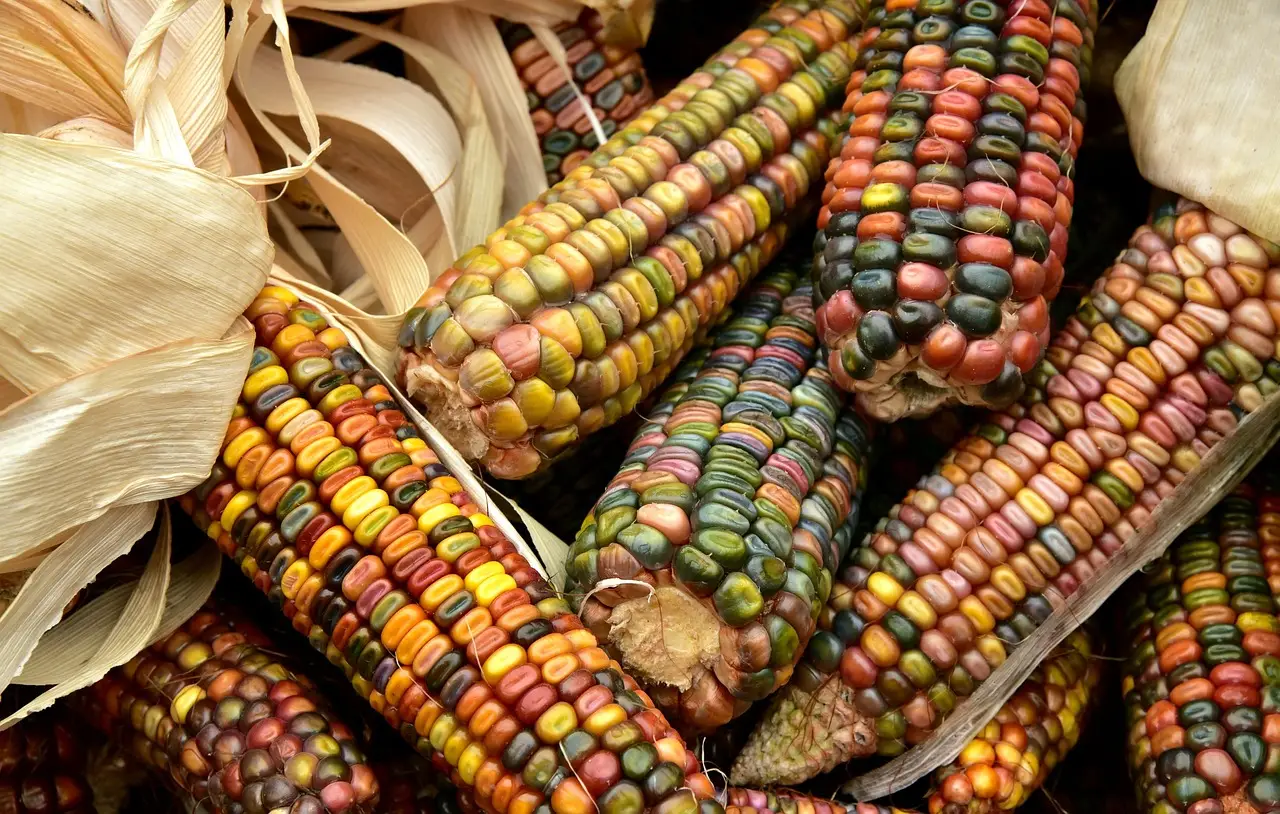
Corn and soybean futures closed below chart support this week, as combine progress across the Midwest and the latest NOPA crush figures handed sellers the advantage. Cattle futures moved the other way and finished higher, extending the divergence between the row-crop and livestock sides of the ledger.
The story is a familiar one for this point in the season, but the mechanics matter for margins. Harvest supply arrives when elevators have the most grain to move. Basis weakens at the same time futures slide, doubling the pressure on cash prices growers actually receive.
What does the close below support change for growers?
A break below support is a technical signal, not a fundamental one. Traders read it as confirmation that sellers control the market. Funds that had been carrying long positions tend to liquidate. That selling feeds on itself until a new equilibrium forms at a lower level.
For producers, the practical consequence is timing. Old-crop grain still in storage loses paper value alongside the new crop coming off the field. Unpriced bushels face a market where both futures and basis are working against the seller at once.
The NOPA crush report added its own weight. The National Oilseed Processors Association publishes monthly soybean crush estimates from its members, and the trade treats the data as the earliest reliable read on domestic processor demand. A crush figure that runs soft, or simply fails to beat expectations, removes one of the pillars bulls lean on: the argument that processor demand will absorb record supplies.
Analysts routinely caution on the reporting window. NOPA numbers cover member facilities only, lag the crush they measure by several weeks, and get revised. They are demand evidence, not a census. Even so, futures traders price the release within minutes, and this week they priced it lower.
Why did cattle move the other direction?
Cattle futures rebounded in the same session. The cash cattle market has spent the year working through tight fed-cattle supplies, and packers have continued to compete for available animals. That fundamental tightness gives the cattle board a floor the grain pits do not currently enjoy.
The rebound also reflects positioning. Traders who had sold cattle futures on general risk-off sentiment bought those positions back. The result was a firm close in a session that punished grains.
For diversified operations, the split is significant. Cow-calf and stocker revenue streams held ground while row-crop receipts faced fresh pressure. Feeding margins, meanwhile, sit between the two: weaker corn lowers feed cost, which is one of the few bright spots a grain selloff produces for the livestock side.
What comes next for the row-crop balance sheet?
Harvest progress reports from USDA will set the pace from here. The faster the crop comes out of the field, the longer the supply overhang lasts. Weather delays, by contrast, are the main circuit breaker available to bulls in a harvest-pressure market.
Export demand is the other variable. Weekly export sales and inspection numbers will show whether foreign buyers step in at the lower price levels. Until they do, processors and exporters hold the leverage.
Growers with grain still to price face a plain question. Store and pay interest, or sell into a market where both futures and basis are soft. The answer will differ farm by farm, but the market has just made the second option more expensive than it was a week ago.
Traders will watch whether the next NOPA release and the next round of harvest data confirm this week's direction, or whether bargain-basin exporters step back in to rebuild the demand side of the balance sheet.
By Marcus Bennett, Agribusiness Wire
via Google News: Grain prices (Source)
More from Marcus Bennett
Show full bio
Senior reporter covering regulation, policy and their impact on Agribusiness coverage for industry professionals at Agribusiness Wire.
414 articles
Also in the yard
- USDA Corn Yield Surprise Sinks Futures 30 Cents to 8-Week Low
- Soybeans Drop on Profit-Taking; Corn Follows as Harvest Resumes
- Soybeans Slip While Corn and Wheat Edge Higher Ahead of USDA Report
- Soybean Basis Slips From 50-Cent-Over Highs as Deliveries Reach Crushers
- Soybeans Lead Broad Grain Selloff That Squeezes U.S. Farm Margins