Lot No. LOT-3091 · offered November 10, 2026
Seeds, Crop Protection & FertilizerLot sheet
CDC Closes Dual-Pathogen Sprout Outbreak; FDA Won't Name Seed Supplier
CDC ended the dual E. coli-Salmonella sprout outbreak: 77 illnesses, 16 states, six hospitalizations. FDA closed its probe Nov. 9 but won't name the seed supplier behind lot SAL2-24JB.
Market notes
- At least 77 illnesses in 16 states, six hospitalizations, no deaths, from May 31 to Oct. 19 illness onsets.
- Outbreak involved four pathogens: Salmonella Agona and E. coli O26:H11, O103:H25, O168:H8.
- FDA closed its investigation Nov. 9 but refuses to name the seed supplier; implicated lot is SAL2-24JB, exp. Dec. 31, 2029.
- Everything Sprouts of Minneapolis and Berlin Seeds of Millersburg, OH, both recalled products.
- CDC multipliers suggest 26-29 undetected cases per confirmed patient.
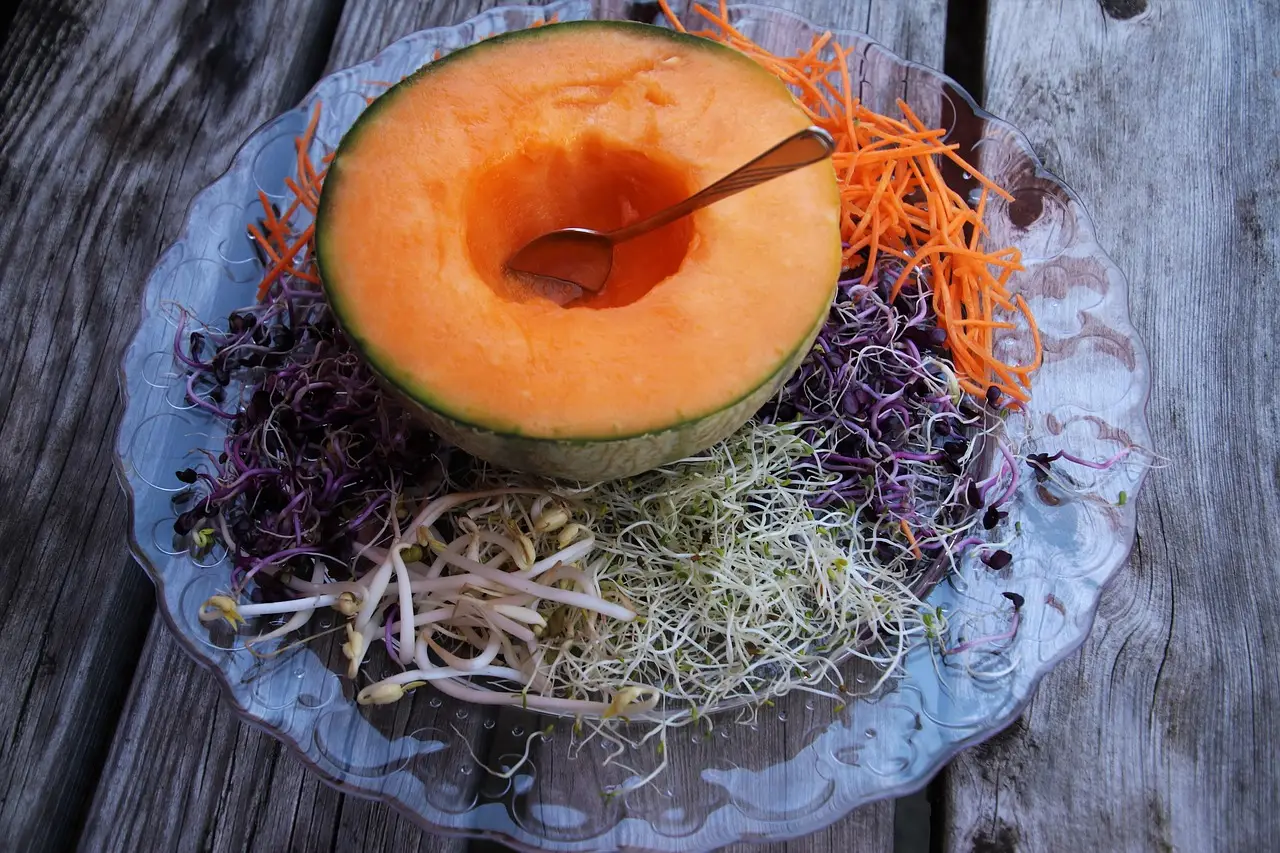
At least 77 people in 16 states fell ill — six of them hospitalized — in a dual E. coli and Salmonella outbreak traced to alfalfa sprouts and sprouting seed, and federal investigators have now closed the case without naming the seed supplier behind it.
The Centers for Disease Control and Prevention declared the outbreak over, and the Food and Drug Administration shut its investigation as of Nov. 9. The FDA knows who supplied the implicated seed. It won't say. Instead, the agency identified only alfalfa seed lot SAL2-24JB, expiration date Dec. 31, 2029, as the source.
"Sprout growers should check their inventory for this recalled seed lot and discard any remaining seed," the FDA said in its announcement.
Who was involved?
The outbreak traced to two operations that both recalled products: Everything Sprouts of Minneapolis, MN, and Berlin Seeds of Millersburg, OH. It stood out for its pathogen count — not one bug, but four: Salmonella Agona alongside E. coli O26:H11, O103:H25 and O168:H8.
The patient breakdown:
- 64 people infected with E. coli
- 10 infected with Salmonella
- 3 infected with both
- 6 hospitalizations, no deaths
Illness onsets ran from May 31 to Oct. 19 — nearly five months of spread. Of 52 patients interviewed, 41 reported eating sprouts before getting sick.
What does this change for growers and buyers?
The official count almost certainly understates the toll. The CDC's own multipliers put underdetected cases at 29 per confirmed Salmonella patient and 26 per confirmed E. coli patient. Applied here, that projects the true illness count into the thousands, though the agency doesn't publish such extrapolations formally.
For sprout growers, the practical instruction is narrow: check inventory for lot SAL2-24JB, discard what's left, and document it. For buyers and distributors, the reopened question is traceability — FDA closed the file while withholding the one name that would let the supply chain verify exposure upstream of the two recalled brands.
What are the symptoms to watch?
E. coli infections bring severe stomach cramps and diarrhea, often bloody, sometimes fever. Most patients recover in five to seven days, but 5 to 10 percent of diagnosed cases develop hemolytic uremic syndrome, a potentially life-threatening kidney complication. HUS symptoms include fever, abdominal pain, fatigue, reduced urination, unexplained bruising and pallor. It's most common in children under five, older adults and immunocompromised people, and it can cause lasting damage — hypertension, chronic kidney disease, brain and neurologic injury. Anyone with symptoms after eating the implicated sprouts or handling the seed should seek medical care and tell their doctor about the exposure, since diagnosis requires specific tests.
Salmonella contamination doesn't usually look, smell or taste spoiled. Symptoms — diarrhea, abdominal cramps, fever — typically hit 12 to 72 hours after exposure, and healthy adults are usually sick four to seven days. Infants, children, seniors, pregnant women and immunocompromised people face higher risk of severe illness. Some carriers show no symptoms at all and can still infect others.
With the CDC declaring the outbreak over and the FDA's file closed, no further recalls are pending — but any operation still holding lot SAL2-24JB remains on the hook to pull it.
via foodsafetynews.com (Source)
More from Nathan Brooks
Show full bio
Staff writer covering regulation, policy and their impact on Agribusiness coverage for industry professionals at Agribusiness Wire.
540 articles
Also in the yard
- USDA to Expand Seed Research, Partner With DOJ on Industry Probe
- Robigo Bio Closes Series A Led by Leaps by Bayer to Launch Engineered Microbial Seed Treatments
- USDA to widen seed inventory research, join industry investigation
- Imported Produce Safety Lapses Cost U.S. Growers $280 Million a Month
- Seed Brand Roulette: What's Staying and Going for 2027