Lot No. LOT-7985 · offered September 29, 2026
Agricultural PolicyLot sheet
Boozman Pushes Farm Bill Deal as Window Narrows Before January
Boozman presses for October recess farm bill talks as Democrats withheld votes; AFBF data show beef import quota cut ground beef prices just 2% while ranchers lose up to $400 per head.
Market notes
- Senate Ag Committee passed its farm bill with no Democratic votes; passage needs 60, and Boozman warns an extension-only outcome would leave farmers without certainty.
- AFBF tracking of 41 grocery stores in 22 states shows ground beef prices fell just 16 cents (about 2%) since the 300,000-metric-ton tariff-rate quota expansion took effect Sept. 1, while ranchers absorb losses of $300-$400 per head.
- FWS will expand a pilot letting Prairie Pothole landowners review pre-1976 wetland easement maps; Sen. Cramer holds a nominee blockade pending review of the 2024 drain tile setback rule.
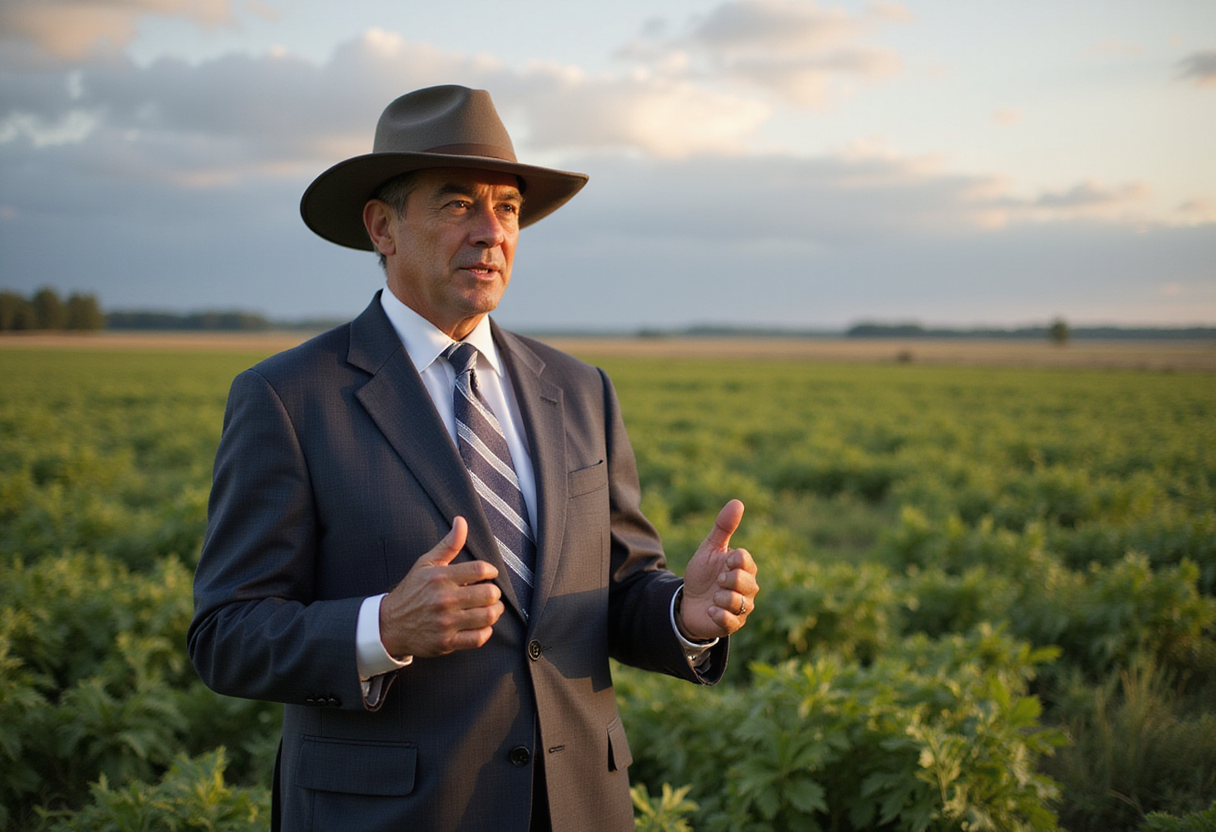
Senate Agriculture Committee Chairman John Boozman, R-Ark., says he will work with Democrats and House leaders over the October recess to strike a deal on a five-year farm bill — and he puts the odds of passage in stark terms if talks slip.
"We're running out of time and we're rapidly losing a window that we can actually get this thing passed," Boozman said in comments prepared for last week's committee vote. "We need to start working together and get these things resolved."
The committee approved its legislation last week with no Democratic votes, despite bipartisan priorities such as year-round E15 embedded in the bill. Partisan divisions over the Supplemental Nutrition Assistance Program drove the split. The bill needs 60 votes on the Senate floor, so bipartisan negotiation must begin in earnest. Ag leaders want a final measure on President Donald Trump's desk before the congressional session ends in early January.
"Our farmers deserve a commitment from my colleagues across the aisle that they will do the same," Boozman said in remarks provided by the committee.
Randy Russell, who leads The Russell Group, a government relations firm specializing in food, agriculture and energy policy, doubts the bill moves on its own. "I don't think this is going to see the light of day on the Senate floor," he says. "It's much more likely that they work together at the staff level, try to come up with a compromise on the farm bill between the House and Senate, and then add that on to what is a conference report before the end of the year." He spoke on a recent Agri-Pulse Open Mic episode.
The fallback, Boozman warned, carries real costs. "We risk doing nothing more than extending current law. That would leave states on the hook for additional costs and leave farmers without the certainty they need to make decisions about their operations for the future."
Beef imports show no retail relief
A new American Farm Bureau Federation analysis undercuts the rationale for the administration's expanded beef import quota. Prices stayed unchanged at 30 of 41 tracked grocery stores since President Trump's late-August proclamation expanding imports of lean beef trimmings took effect, Farm Bureau economists found.
Trump's proclamation temporarily expanded the tariff-rate quota by 300,000 metric tons, with lower-tariff beef entering the U.S. beginning Sept. 1. Farm Bureau began tracking daily prices of 80% lean ground beef at 41 grocery stores across 22 states on Sept. 2. Three weeks in, the average price fell 16 cents — roughly 2%.
"Meanwhile, cattle prices have weakened and ranchers are absorbing losses of up to $300 to $400 per head," the analysis says. "Imports may help fill short-term supply gaps, but they do not address the underlying problem of a historically small U.S. cattle herd."
The proclamation itself allows reconsideration if it fails to produce lower retail prices. "The evidence is clear; the proclamation should be rolled back, and ranchers should have the opportunity to respond to free market signals and reduced regulatory burdens to rebuild our nation's cattle supply," Farm Bureau says.
Wetlands mapping pilot to expand
The U.S. Fish and Wildlife Service plans to expand a pilot program reviewing recently drawn maps of wetlands protected by pre-1976 easements, after farmers in the Prairie Pothole region questioned the maps' accuracy. The agency buys wetland easements protecting waterfowl habitat across the Dakotas, Minnesota, Iowa and Montana, but many older deeds lacked maps or detailed descriptions, fueling disputes over which acres fall under the easements.
Under the pilot, landowners can examine maps directly with the service and request revisions, easement exchanges, or voluntary protection of additional wetlands — but not a reduction in total protected easements.
Interior Secretary Doug Burgum said the agency "heard clearly from North Dakota farmers and ranchers that they want greater certainty about how these older easements apply to their land." Sen. Kevin Cramer, R-N.D., called the expansion "a good first step" but said "more work remains." He has threatened a procedural hold on "any and all" Trump administration nominees until the agency revisits its 2024 drain tile setback rule, which farmers want rescinded and which sportsmen and wildlife advocates defend as protection for one of North America's most important duck breeding areas.
Sugar TRQ allocations set
The Office of the U.S. Trade Representative released country-specific in-quota allotments for raw cane sugar for fiscal 2027. USDA set the total in-quota quantity at just over 1.1 million metric tons in July — the WTO minimum — and USTR's update divides the remaining 55,993 MTRV among nearly 30 nations. The Dominican Republic receives the largest allocation at 11,931 MTRV, followed by the Philippines at 9,151 MTRV.
Rural health, permitting
Sen. John Hoeven and Rep. Julie Fedorchak, both North Dakota Republicans, introduced bicameral legislation extending by five years the Frontier Community Health Integration Project, which tests health care delivery and reimbursement models for Critical Access Hospitals. GOP Sens. Kevin Cramer, Tim Sheehy of Montana and Steve Daines of Montana co-sponsor the Senate bill.
Senate Majority Leader John Thune, R-S.D., wants bipartisan energy permitting reform — including faster approvals for new refineries — passed before the chamber recesses ahead of the Nov. 3 midterms. Committee Chair Shelley Moore Capito, R-W.Va., should deliver a status report on negotiations with Democrats "pretty soon," Thune said. The House has already adjourned until the second week of November.
With the Senate's five-week recess starting in early October, farm bill negotiators face a compressed calendar that may leave a short extension — or nothing at all — as the default outcome.
via us.list-manage.com (Original)
More from Nathan Brooks
Show full bio
Staff writer covering marketplaces and e-commerce at Agribusiness Wire.
173 articles
Also in the yard
- Farm Bill Window Narrows to Six Weeks as Boozman Pushes Fall Talks
- Farm Bill Talks Shift to Fall Recess as Boozman Sees Bipartisan Path
- Senate Farm Bill Vote Set for Wednesday as McConnell Returns
- Boozman Presses Senate Colleagues to Move Farm Bill as Session Resumes
- Senate Ag Chair Boozman Maps Farm Bill Path Forward