Lot No. LOT-7524 · offered September 29, 2026
Precision Agriculture & AgTechLot sheet
Bipartisan Bill Targets Precision Agriculture Gaps in Nebraska, Colorado
A bipartisan bill before Congress aims to fill workforce and industry gaps in precision agriculture across Nebraska and Colorado, where equipment adoption has outpaced service capacity.
Market notes
- A bipartisan bill targets precision agriculture industry gaps in Nebraska and Colorado.
- The measure addresses workforce and support-network shortfalls as farms adopt more data-driven equipment.
- Service downtime on precision-equipped machinery raises operating costs for producers in the region.
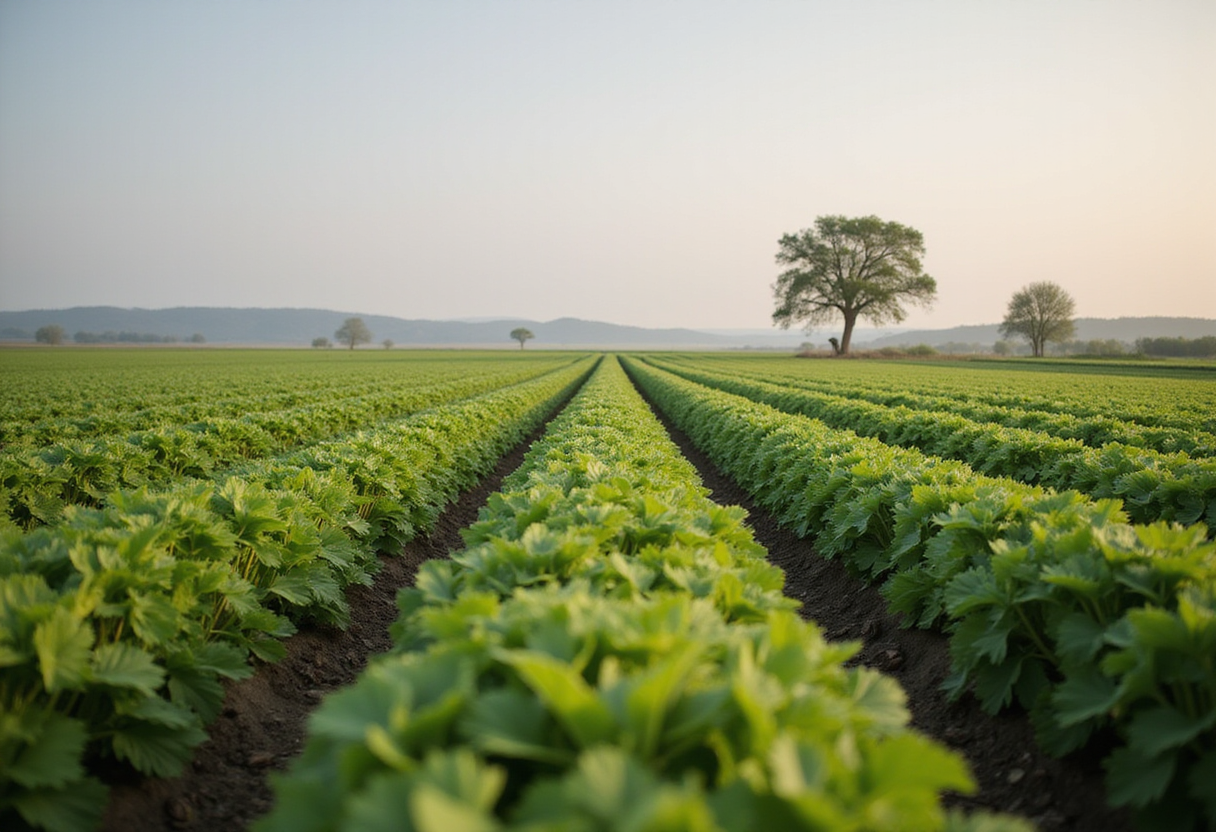
A bipartisan bill now before lawmakers aims to close persistent gaps in the precision agriculture industry across Nebraska and Colorado, two states where farm operations have moved faster toward data-driven equipment than the supporting infrastructure has grown.
The measure, reported by WOWT, targets what producers and equipment dealers in the two-state region describe as an industry that has outpaced itself: adoption of guidance systems, variable-rate input application, and autonomous machinery continues to expand, while the trained technicians, service capacity, and regional support networks needed to keep those systems running have not kept pace.
For growers in Nebraska and Colorado, the stakes are direct. Precision agriculture tools carry a price premium at purchase, and downtime on a planter, sprayer, or harvester equipped with precision components can compress already thin operating margins during narrow planting and harvest windows. When a dealership cannot schedule a certified technician quickly, the cost lands on the farm balance sheet in the form of delayed fieldwork and idle capital.
The bill's sponsors have framed the legislation as a workforce and industry-development measure rather than a subsidy program, according to the report. The proposal seeks to build out the pipeline of skilled workers who can install, calibrate, and repair precision systems — a category of labor that equipment manufacturers and farm cooperatives across the Plains have flagged as a binding constraint on sales and service.
Bipartisan sponsorship signals that precision agriculture policy is drawing support from both sides of the aisle in a region where agriculture anchors the economy. Nebraska and Colorado producers rely heavily on irrigated row crops, cattle feeding, and dryland wheat operations — sectors that have invested heavily in variable-rate irrigation, soil-mapping, and GPS-guided machinery over the past decade.
Industry observers will watch the bill's progress for specifics: funding levels, whether it creates new training programs or expands existing ones at land-grant institutions and community colleges, and how it defines the industry gaps it intends to fill. Those details will determine whether the measure translates into measurable service capacity for farmers or remains a statement of legislative intent.
The bill now moves through the committee process in Washington, where its fate will depend on whether backers can attach it to broader agriculture or workforce legislation before the session ends.
via Google News: Precision agriculture (Source)
More from Grace Kim
Show full bio
Correspondent covering industry trends and analytics at Agribusiness Wire.
159 articles
Also in the yard
- Precision Agriculture Is Fueling Demand for Farm Service Technicians
- Precision Agriculture Takes Center Stage in Northwest Iowa
- Precision Ag Funding in Farm Bill Eyed as Input-Cost Relief
- Flood Bill H.R. 8507 Targets Precision Agriculture Workforce Training
- CNH Farmer Pulse: Precision Technology Now Essential for Growers