Lot No. LOT-2996 · offered September 29, 2026
Seeds, Crop Protection & FertilizerLot sheet
Biological Crop Protection: Big Promises, Field-Level Pitfalls
EastFruit's field-level review finds biological crop protection promises transformation but flags the many ways programs fail between purchase and application.
Market notes
- EastFruit published a field-level assessment of biological crop protection, warning that much can go wrong despite the technology's transformative promise.
- The report is framed as a practical grower's view rather than a promotional overview.
- Biologicals carry higher per-application costs and tighter timing demands, putting both input spend and yields at risk when programs underperform.
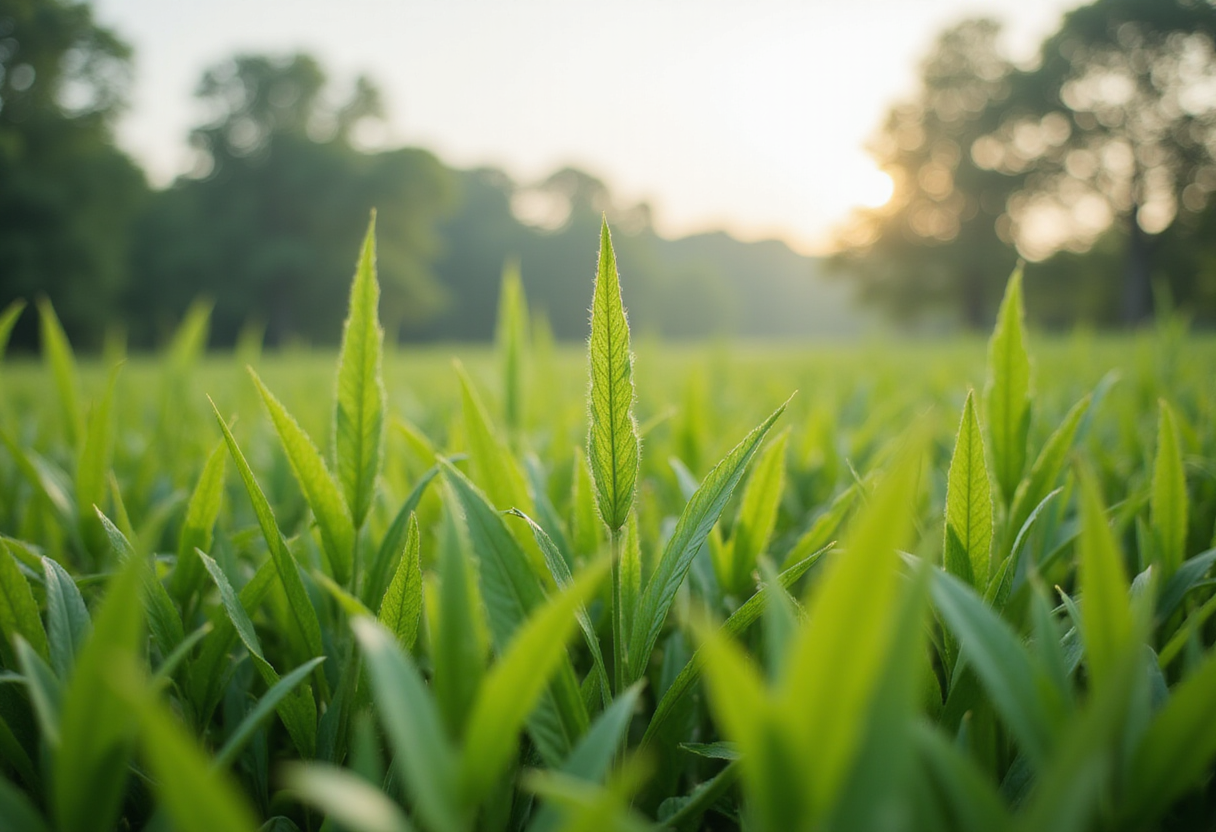
Biological crop protection products promise to transform agriculture — but according to a field-level assessment published by EastFruit, much can go wrong between the promise and the application.
The horticultural analytics platform's report, framed as "a practical view from the field," examines the gap between laboratory performance and real-world results for growers who integrate biologicals into their crop protection programs. The piece targets producers in EastFruit's core coverage regions — the fruit and vegetable sectors of Eastern Europe, the Caucasus, Central Asia and beyond — where margin pressure and export-market residue requirements are pushing growers toward reduced-chemical programs.
For growers, the stakes are straightforward. Biological products — biopesticides, beneficial insects, microbial inoculants and related tools — typically cost more per application than conventional chemistry and demand tighter timing windows. If a biological program underperforms, the grower absorbs both the higher input bill and the yield or quality loss. EastFruit's field perspective focuses on exactly that failure mode: the conditions under which biologicals do not deliver, rather than the marketing claims that suggest they always will.
The report's framing matters for a sector where buyers, particularly in the European Union and premium export markets, increasingly restrict maximum residue limits on conventional pesticides. That regulatory pull has made biologicals attractive on paper. But EastFruit's practitioner view underscores a familiar agronomic caution: a product that works in a trial plot or a vendor's brochure is not the same as a product that works in a specific orchard, greenhouse or field, under a specific climate, pest complex and spray regime.
EastFruit positions itself as a data-driven observer of horticultural markets, and its decision to publish a practical caution rather than a promotional overview signals that adoption of biologicals among its readership is real enough — and expensive enough — that failure cases warrant attention. Growers experimenting with biological programs face decisions on product selection, application timing, compatibility with existing chemistry, and the cost of monitoring pest and disease pressure closely enough to make biologicals work.
The underlying economics remain the pivot. Where conventional programs deliver predictable knockdown at a known cost per hectare, biologicals often trade that predictability for residue compliance, resistance management and market access. Whether that trade pays off depends on the specific crop, the destination market and the grower's capacity to execute a more management-intensive program. EastFruit's field view suggests many growers are discovering the execution gap the hard way.
For input suppliers and distributors in the region, the message is equally direct: demand for biologicals is growing, but so is the reputational risk of overselling performance. Distributors who can back biological products with local trial data and honest guidance on their limitations are better positioned than those moving product on transformation claims alone.
EastFruit indicates it will continue to follow the practical performance of biological crop protection as adoption spreads across its coverage regions, giving growers case-based evidence rather than slogans to judge the technology by.
via Google News: Crop protection (Source)
More from Marcus Bennett
Show full bio
Senior reporter covering marketplaces and e-commerce at Agribusiness Wire.
127 articles
Also in the yard
- Biotalys Adds Two Independent Female Directors With Crop Protection Backgrounds
- Crop Protection Market Reshapes as Asian Firms Gain Ground
- Pest Resistance Reshapes U.S. Crop Protection Strategies
- Omnibus X Doubt Clouds Farmers' Access to Biological Crop Protection
- BioWorks Adds BioNex Insecticide and Hoplite Moss Killer to Portfolio