Lot No. LOT-7417 · offered November 17, 2026
Agricultural PolicyLot sheet
Bennet Demands Five-Year Farm Bill Now, Warns on Pesticide Riders
Bennet says Colorado faces hundreds of millions in new SNAP costs and demands a five-year farm bill this year, as Boozman signals optimism and the paraquat ban coalition launches.
Market notes
- Bennet said Monday the SNAP cost shift would cost Colorado hundreds of millions of dollars a year.
- Democrats seek a two-year SNAP cost-sharing delay; Republicans, led by Boozman, back one year.
- Senate Ag Committee advanced Greg Ibach's nomination as USDA chief trade negotiator.
- Take Down Pesticides coalition launched seeking a paraquat ban; Syngenta stopped production earlier this year.
- Senate queued a final vote on the permitting bill BAAJA for as early as Wednesday.
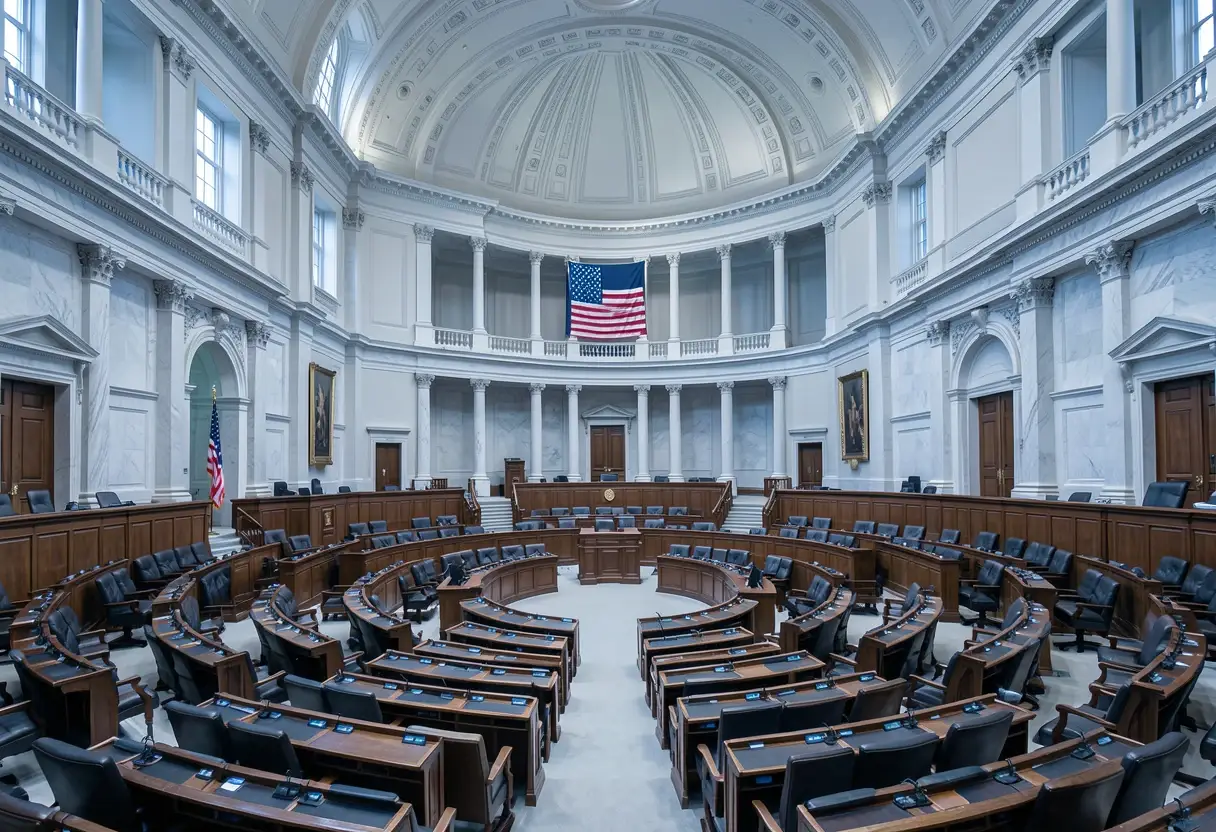
Colorado stands to lose hundreds of millions of dollars a year under the SNAP cost-sharing shift at the heart of farm bill talks, Sen. Michael Bennet said Monday night on the Senate floor, urging Congress to pass a five-year bill before the lame-duck session ends.
"Farmers and ranchers across the country are asking Congress for immediate economic assistance. We should use this opportunity to provide that relief," said Bennet, D-Colo., a contender to chair the Senate Agriculture Committee starting next year. "There is no reason we should not pass a bipartisan farm bill this year."
Bennet said Congress "desperately" needs a bill that includes a two-year delay in state SNAP cost sharing and financial assistance for farmers and ranchers. In Colorado, the state payments would force "cuts to healthcare, to childcare and to schools," he said.
Where the SNAP fight stands
Democrats want a two-year delay in the requirement that states help pay for Supplemental Nutrition Assistance Program benefits based on their payment error rates. Republicans, including Senate Ag Chair John Boozman of Arkansas, have held to a one-year postponement. Some GOP lawmakers concede their party may need to give more ground.
Republicans and Democrats are "negotiating in good faith and hopefully we'll get an outcome that we can all live with," Boozman told Agri-Pulse Monday. He said SNAP is the most important of several unresolved issues, and he is optimistic a farm bill will ride a larger legislative vehicle through Congress this year.
The math got harder after the midterms. Democrats won sizable majorities in both chambers and take control of the House and Senate in early January, clouding the lame-duck outlook.
What does Bennet want kept out?
Bennet warned colleagues against attaching pesticide regulation proposals or animal welfare measures such as California's Proposition 12 to a final bill. "These provisions were left out of the Senate bill for a reason, and we shouldn't risk derailing a bipartisan agreement by bringing them back now," he said.
He cautioned fellow Democrats against waiting until next year, arguing a five-year deal will be harder to reach in the new Congress. His broader agenda: increase competition, expand markets, lower production costs, build strong safety nets rather than bailouts, and give growers more chances to supply their communities.
Trade and labor warnings
Bennet said U.S. trade policy is handing markets to rivals. "Instead of expanding those markets, we're shoveling the benefits to competitors like China and Brazil," he said. Uncertain immigration and agricultural workforce laws are also deterring producer investment.
"If we don't fix this problem, it won't be too long before we're hemorrhaging our agricultural production to places like Mexico, from fruits and vegetables to tree nurseries to our dairies," Bennet said.
Separately, the Senate Ag Committee advanced President Donald Trump's nomination of former Nebraska agriculture director Greg Ibach as USDA's top trade negotiator, along with three nominees to the Farm Credit Administration board.
What else moved Monday?
A new coalition, Take Down Pesticides, launched a campaign to ban paraquat, citing links between exposure and Parkinson's disease. Members include the Center for Food Safety, Farmworker Justice and the Environmental Working Group. "Organic and agroecological practices of weed and pest control can be scaled up and widely adopted if we have the political will to invest in them," the coalition said in a public statement.
Syngenta, which stopped making paraquat earlier this year, said it "rejects the claims of a causal link between paraquat and Parkinson's disease made in pending litigation because it is not supported by scientific evidence," according to its website.
The Senate teed up a final vote on the Bipartisan American Affordability and Jobs Act, a permitting reform bill, for as early as Wednesday. "It's important so we can streamline and build things in this country, whether it's energy, whether it's agriculture, whether it's transportation," Sen. John Hoeven, R-N.D., told Agri-Pulse. Democrats and labor unions remain split; Republicans broadly back it.
Atlantic Council economist Josh Lipsky said a Democratic-led Congress will likely leave Section 301 tariffs intact but could target Section 338 of the Tariff Act of 1930 — the basis for 50% tariffs on Canada. "Repealing Section 338 may be a good place to start for a Congress wanting to rein in Trump's tariffs," Lipsky and Madeline Chalecki wrote.
Whether a farm bill moves this year now rests on the SNAP timing gap — one year versus two — that Bennet and Boozman must close within weeks.
via atlanticcouncil.org (Original)
More from Grace Kim
Show full bio
Correspondent covering people, launches and day-to-day practice in Agribusiness coverage for industry professionals at Agribusiness Wire.
529 articles
Also in the yard
- Thompson Open to Two-Year Delay on SNAP Cost-Shift to Break Farm Bill Deadlock
- Farm Bill Window Narrows to Six Weeks as Boozman Pushes Fall Talks
- Senate Ag Committee Advances Farm Bill 2.0 in 12-11 Party-Line Vote
- SNAP Cost-Share Fight Gates Farm Bill as Lame Duck Clock Runs
- Senate Ag Panel Advances Farm Bill 12-11; House Out Until Post-Midterms