Lot No. LOT-1682 · offered October 9, 2026
Seeds, Crop Protection & FertilizerLot sheet
Bayer Pushes Combined Seed-Chemistry Pipeline Into Blockbuster Phase
Bayer announced its combined seed and crop protection pipeline is moving into a blockbuster launch phase, signaling a multi-product commercial rollout across its crop science division.
Market notes
- Bayer confirmed combined seed and crop protection pipeline moving into blockbuster launch phase.
- Industry 'blockbuster' usage refers to products with peak annual sales in the hundreds of millions of dollars or euros.
- Integrated packages dominate Bayer's dealer shelf share in corn, soybeans, cotton and canola.
- Phase framing implies a multi-product sustained commercial rollout rather than single debut.
- Announcement does not specify product count, geographic rollout sequence or pricing terms.
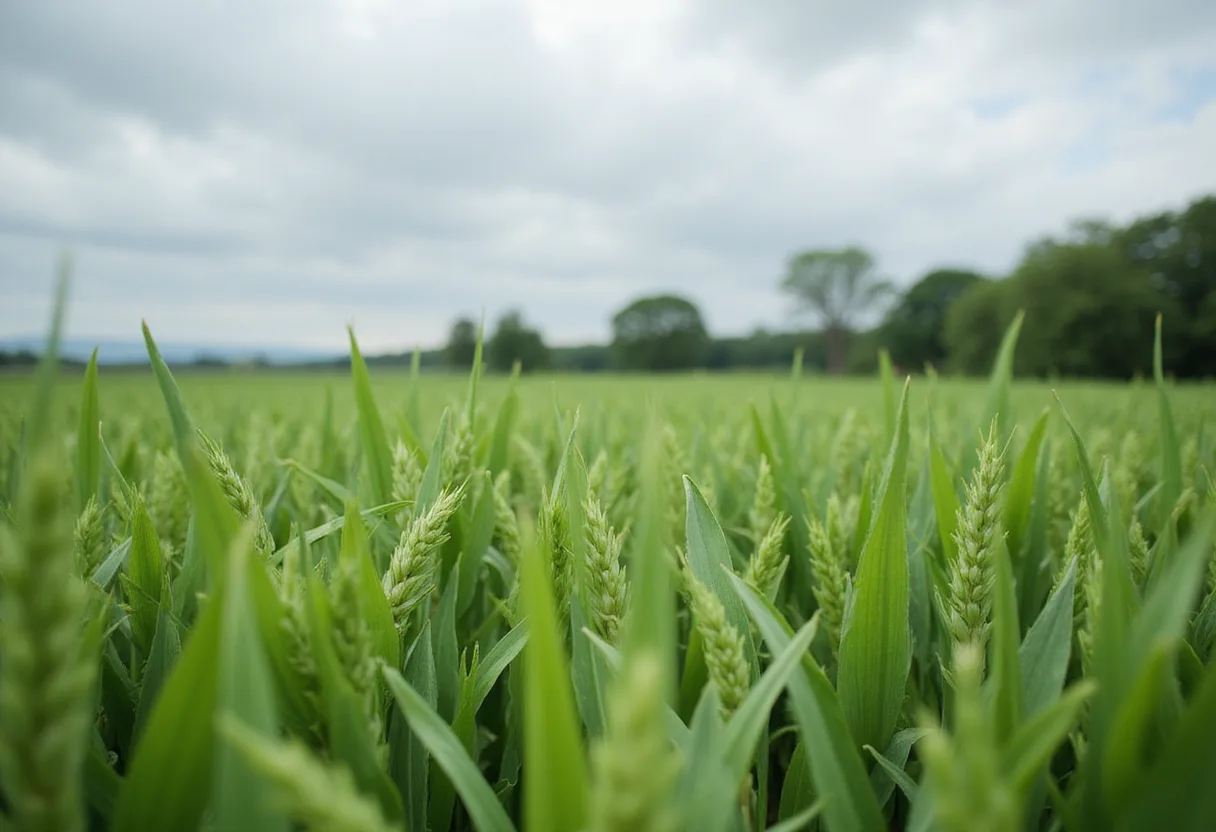
Bayer confirmed it is moving its combined seed and crop protection pipeline into a phase executives have labeled blockbuster launches.
The pipeline integrates Bayer's seed genetics work with its crop protection chemistry in a unified commercial offer rather than as separate product categories. "Blockbuster" in industry usage refers to products with peak annual sales potential in the hundreds of millions of dollars or euros — large enough to shift division-level revenue.
For Bayer's crop science business, the announcement marks the transition from development to commercial scale for a slate of integrated products. The "phase" language implies a multi-product rollout rather than a single launch event.
What does the integrated pipeline change for growers?
Bundled packages typically tie trait fees, herbicide pairings and stewardship requirements into a single purchasing decision. Growers who adopt the integrated stack commit to a specific trait-chemistry combination, with crop rotation and refuge rules attached. That simplifies product selection but also concentrates negotiating leverage with the supplier.
The grower-side commitment often extends across multiple seasons. Trait-bearing seed carries intellectual property restrictions, and matched chemistry may include application sequence requirements. Once a grower signs onto the stack, switching costs rise with each additional acre planted.
How do retailers and co-ops adjust?
Dealers that historically negotiate seed and crop protection as separate input categories now face integrated sales discussions. Rebates, volume discounts and incentive payments increasingly attach to whole-acre packages rather than per-bag or per-jug terms. The shift rewards dealers who carry the full bundle and pressures those whose portfolios skew toward one category.
Inventory planning tightens because growers committing to a stack expect matched components in stock at planting. A missing chemistry jug or seed treatment disrupts the entire program and raises service expectations on the dealer.
What is the margin and cost implication?
Bundled packages typically generate higher per-acre revenue for the manufacturer than standalone seed or chemistry sales. The grower accepts an upfront cost commitment tied to a specific input combination. That commitment is harder to unwind if commodity prices weaken mid-season or if agronomic conditions shift.
The economics matter most in crops where Bayer's combined portfolio dominates dealer shelves — corn, soybeans, cotton and canola. In those crops, integrated packages have moved from optional to baseline for many growers.
What does "blockbuster launch phase" mean for the pipeline?
Industry convention treats blockbuster status as a declaration that multiple pipeline products are nearing or have entered commercialization. Bayer has not specified how many products sit in the launch queue, nor the geographic sequence of releases. The announcement frames the pipeline as entering a sustained commercial period rather than a single debut event.
The "phase" wording signals expectation of revenue contribution over multiple seasons, not a one-quarter sales spike. That shapes how analysts will model the crop science division's earnings trajectory.
What remains unclear?
The announcement does not detail:
- The number of products entering commercial launch
- The geographic rollout sequence across the U.S., Brazil, Argentina and Europe
- Pricing terms and bundling discounts for retailers
- Whether existing seed customers face contract changes
- The crop split between corn, soybeans, cotton and canola in the launch slate
What should growers and dealers watch next?
The next signal points are Bayer's full-year earnings call and any pipeline update at the company's crop science investor event, where management typically details launch timing and peak sales targets. Watch for confirmation of specific products, geographic sequencing and dealer program structure. The launch phase's revenue trajectory should become visible in seasonal earnings through the next reporting cycle.
via Google News: Crop protection (Source)
More from Nathan Brooks
Show full bio
Staff writer covering regulation, policy and their impact on Agribusiness coverage for industry professionals at Agribusiness Wire.
466 articles
Also in the yard
- Bayer Enters Blockbuster Launch Phase for Seed and Crop Protection Pipeline
- Bayer advances combined seed and crop protection pipeline
- Bayer Advances Combined Seed and Crop Protection Pipeline
- Corteva Completes Spin-Off of Seed Business to Sharpen Crop Protection Focus
- Corteva completes split of crop protection, seed units