Lot No. LOT-4501 · offered November 18, 2026
Agricultural PolicyLot sheet
Argentina Pushes Otero for FAO Top Job as July Election Nears
Argentina's agroindustrial council backs Manuel Otero for FAO director-general, arguing the U.S. already leads the WFP and Rome's food agencies work best with shared leadership.
Market notes
- FAO member states elect a new director-general in July.
- Luke J. Lindberg took office as WFP executive director on Oct. 26; Americans have led the WFP since 1992.
- Manuel Otero headed IICA for eight years, from 2018 to January 2026, across 34 member states.
- Four European candidates are also running for the FAO post.
- The United States is the largest contributor to the FAO's regular budget.
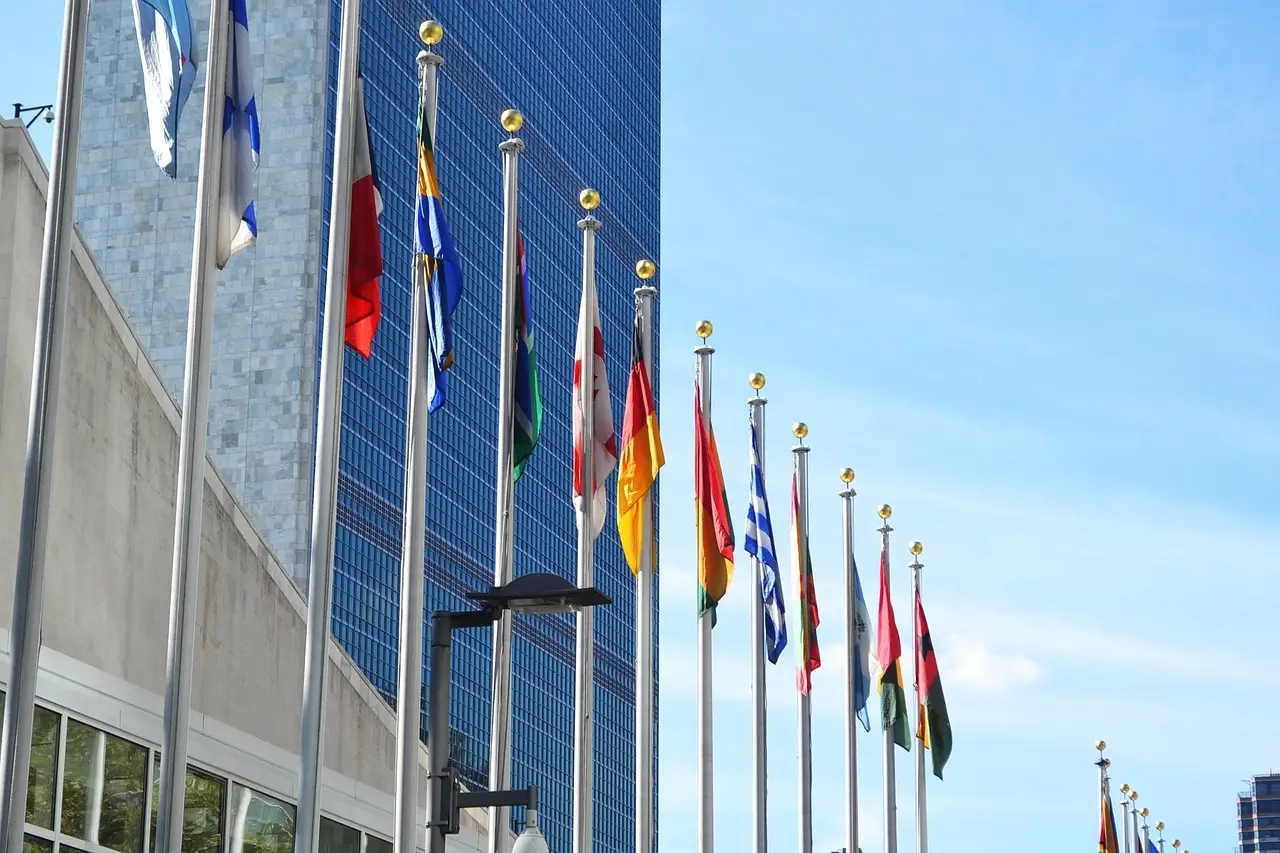
FAO member states will elect a new director-general this July, and an Argentine agri-trade leader is arguing that Manuel Otero — not U.S. Deputy Director-General Beth Bechdol — should get the job.
Gustavo Idígoras, president of the Argentine Agroindustrial Council, laid out the case in an opinion piece that responds directly to a recent Agri-Pulse proposal by U.S. agricultural leaders to back Bechdol's candidacy.
The timing matters. Luke J. Lindberg, former USDA undersecretary for trade and foreign agricultural affairs, took office Oct. 26 as executive director of the World Food Programme. Americans have led the WFP without interruption since 1992, and Idígoras calls that arrangement part of an unwritten understanding among Rome's three food agencies.
Why does the argument hinge on the WFP?
The FAO, the WFP and the International Fund for Agricultural Development have functioned efficiently when their leadership is shared, Idígoras writes. The United States is the largest contributor to the FAO's regular budget and already leads the world's largest humanitarian organization. Handing it the FAO top job as well would break that balance.
The United States is "an agricultural, scientific and technological powerhouse," he concedes — but one fact should take center stage: it already runs the WFP.
Who is Manuel Otero?
Otero headed IICA, the inter-American agricultural agency, for eight years, from 2018 to January 2026. IICA counts 34 member states, including the United States, and serves as the FAO's intergovernmental counterpart in the Western Hemisphere.
During his tenure, Idígoras writes, Otero built working relationships with governments across the political spectrum, brought the private sector, universities and producer organizations into IICA's work, and kept the agency focused on concrete results for farmers.
That is the profile the FAO needs, the argument goes: a leader who can modernize structures, use resources efficiently, strengthen the organization's scientific foundation and make new technologies accessible to farmers.
What is at stake for trade?
Idígoras frames the election as a fight over trade rules. Argentina is a major player in international trade of soybeans and derivatives, corn, wheat, meat, dairy products and processed foods, with agriculture built on no-till farming, precision agriculture, biotechnology and digital tools.
The next FAO leader, he writes, must rebuild consensus among countries with conflicting trade interests without letting geopolitics paralyze the organization. He warns that the four European candidates in the race could push trade interventions through rules not based on science, promoting greater protectionism.
What would the pairing deliver?
Lindberg at the WFP and Otero at the FAO would give the UN food agencies a leadership team from countries that share convictions on science, open trade and productive agriculture — while bringing different perspectives as major agricultural producers, Idígoras writes.
Lindberg would steer the humanitarian response to hunger; Otero would bring expertise in production, science and international cooperation to transforming agri-food systems.
The piece is an opinion, not a survey of the field — it names Bechdol and the four European candidates but details only Otero's record. Still, it signals how a major farm-exporting bloc intends to frame the July vote: as a test of whether the FAO stays with science-based standards and open trade.
For now, no other candidate has matched Otero's eight-year, 34-member-state management record in this argument.
via Agri-Pulse (Source)
More from Olivia Hart
Show full bio
News editor covering technology and product news in Agribusiness coverage for industry professionals at Agribusiness Wire.
535 articles