Lot No. LOT-4958 · offered November 19, 2026
Agricultural PolicyLot sheet
Aquifer Recharge Bill Clears Senate Committee Without New BLM Permits
S. 1254 and House-passed H.R. 331 would let states, tribes and irrigation districts recharge aquifers through existing federal-land canals without new BLM permits or rental fees. Both await Senate floor votes.
Market notes
- S. 1254 placed on Senate Legislative Calendar as Calendar No. 700 on Nov. 12
- House companion H.R. 331 passed the House on May 13, 2025; Senate reported it as Calendar No. 712
- Bill requires 30 days' notice instead of new BLM authorization for recharge on federal land
- Committee substitute exempts noncommercial recharge from additional BLM rental payments
- Sens. Risch and Crapo (R-ID) sponsor; Rep. Hoyle (D-OR) warns of reduced tribal and community input
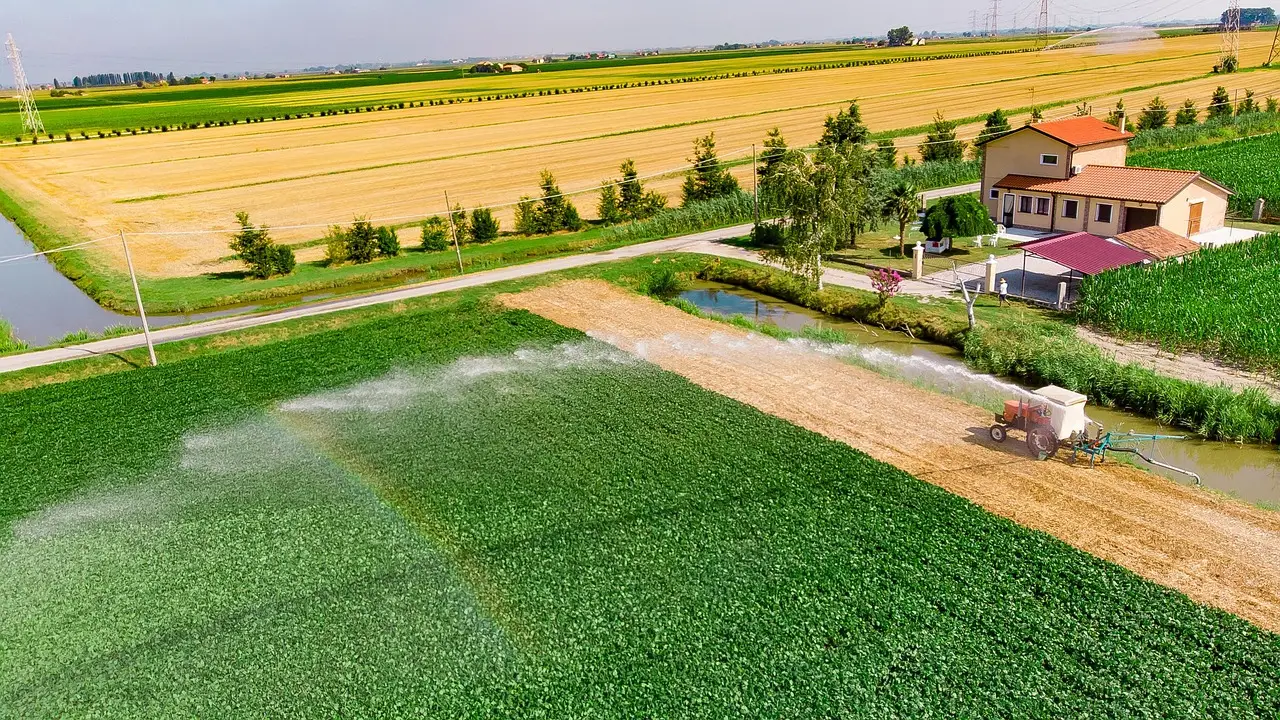
S. 1254, a bill that would let states, tribes and local governments push water underground through existing canals and ditches on federal land without new Bureau of Land Management authorization, reached the Senate Legislative Calendar on Nov. 12 as Calendar No. 700. Its House-passed companion, H.R. 331, sits alongside it as Calendar No. 712.
For irrigation districts and water managers, the measure targets a specific bottleneck: recharge projects in Idaho have stalled because of what Rep. Russ Fulcher (R-ID), the House sponsor, called BLM's "misinterpretation of the original law." Fulcher argued in prepared testimony that the legislation would let public entities use existing BLM authorizations "without unnecessary federal delays."
What does the bill actually change?
Under the legislation, holders of existing rights-of-way, easements and permits on public lands — including canals and ditches — could use that infrastructure for aquifer recharge on behalf of states, tribes, local governments and other public entities. They would not need additional BLM authorization. Instead, holders must give at least 30 days' notice identifying the participating entity, the existing authorization, the proposed use and the agreement between the parties.
The committee-reported version adds a financial sweetener. It exempts qualifying aquifer recharge activities from additional BLM rental payments, except for for-profit uses and entities. That exemption is the operative cost change for noncommercial water managers.
The bill draws careful boundaries around what it does not do:
- Recharge use would not count as an expansion, modification or substantial deviation from the original authorization.
- The bill would not waive compliance with the Clean Water Act, the Endangered Species Act or the Wild and Scenic Rivers Act.
- It would not authorize construction, modification or expansion of existing infrastructure.
The legislative path so far
Sen. Jim Risch (R-ID) introduced the bill April 2, 2025, to amend the Aquifer Recharge Flexibility Act. Sen. Mike Crapo (R-ID) is its only cosponsor. The Senate Energy and Natural Resources Committee ordered the bill reported with an amendment in the nature of a substitute on Sept. 30. Chairman Mike Lee (R-UT) formally reported it Nov. 12, without a written report.
The House moved faster on its companion. H.R. 331 passed the House on May 13, 2025, after the House Natural Resources Subcommittee on Water, Wildlife and Fisheries examined the legislation during a Jan. 23 hearing. The Senate Energy and Natural Resources Committee also reported H.R. 331 without amendment on Nov. 12.
Where the disagreement sits
Not every lawmaker accepts the framing. Rep. Val Hoyle (D-OR), the subcommittee's ranking member, warned at the hearing that H.R. 331 "would make it harder for communities and Tribes to have input on water management." She also raised concerns about language classifying the use as "not a major Federal action." Hoyle said she hoped the bill's sponsor would work with her to address those concerns.
The practical question for water managers is straightforward: whether a 30-day notice and a rental-fee exemption can move recharge water faster than the current permitting path. Both bills are now eligible for Senate floor consideration. The reported Senate text, which incorporates the committee substitute, is the current version of S. 1254, and whichever chamber moves first will determine whether western recharge projects gain the streamlined federal pathway this Congress.
via legis1.com (Source)
More from Marcus Bennett
Show full bio
Senior reporter covering regulation, policy and their impact on Agribusiness coverage for industry professionals at Agribusiness Wire.
496 articles
Also in the yard
- Four States Irrigation Council Marks 75 Years with Fort Collins Meeting
- Farm Bureau backs EPA WOTUS rewrite; green groups cite wetlands loss
- House Farm Bill Text Includes Funding for Precision Agriculture
- Senate Committee Clears $50 Million Border Aquifer Research Bill
- American Farm Bureau Federation Says Farm Bill Window Still Open