Lot No. LOT-7680 · offered October 13, 2026
Precision Agriculture & AgTechLot sheet
AgSharks Finalists Highlight Crop Protection, Packaging and Robotics
Three AgSharks finalists showcased crop protection, packaging, and robotics innovations, Quality Assurance & Food Safety reported. The competition pairs capital with grower pilot commitments.
Market notes
- Three finalists presented in three verticals: crop protection, packaging, and robotics
- Coverage was published by Quality Assurance & Food Safety magazine
- Competition historically structures awards as convertible notes or direct equity
- Past winners typically arrived with at least one named pilot site with a packer-shipper or grower cooperative
- Multiple prior finalists subsequently raised institutional capital or executed acquisition transactions with established agricultural input companies
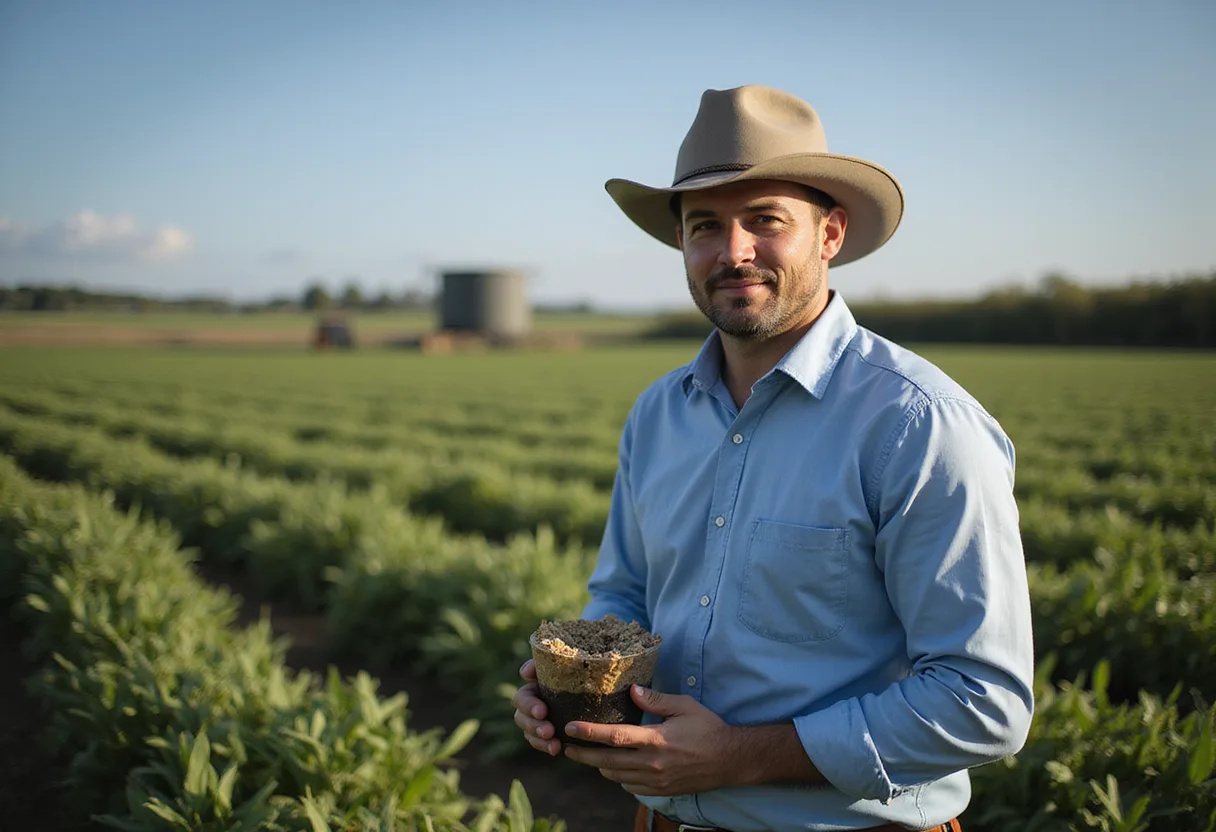
Three startup finalists showcased agricultural technology innovations spanning crop protection, packaging, and robotics at the AgSharks pitch competition, Quality Assurance & Food Safety magazine reported.
The three shortlisted verticals address distinct cost categories across the fresh produce operating statement: chemical input spend, post-harvest shrink, and field labor. AgSharks, a pitch competition that invites early-stage agtech companies to present before a panel of growers, packer-shippers, and venture investors, typically pairs capital commitments with commercial pilot agreements. Quality Assurance & Food Safety's coverage identifies the innovation categories but does not name the finalists.
What categories made the cut?
The finalists fall into three verticals: crop protection, packaging, and robotics. Crop protection entries typically target pest and disease pressure that has reduced the efficacy of older chemistries and lengthened spray intervals. Packaging submissions address shelf-life extension and traceability features required by retail buyers under FSMA (the Food Safety Modernization Act, the federal framework governing produce safety standards). Robotics entries most often automate labor-intensive field and packhouse functions such as weeding, thinning, and sorting.
Why these pressure points matter for margins
Fresh produce margins have narrowed under cumulative labor cost inflation, water pricing, and input volatility. Labor alone represents the largest single operating expense category on labor-intensive specialty crops. Packaging innovation addresses shrink at retail, which has grown more visible as e-commerce produce sales expanded. New crop protection chemistries and biologicals counter resistance development that has shortened the useful life of older products, forcing producers toward more frequent applications.
How a panel typically evaluates a finalist
A grower panel asks whether the technology reduces per-unit cost, integrates with existing equipment, and survives a multi-season field trial in commercial conditions. A packer-shipper panel considers whether the solution meets grade standards (the quality thresholds buyers use to sort produce by size, appearance, and condition) and food safety audit requirements. A venture panel evaluates intellectual property positioning, the addressable market, and the timeline to commercial revenue. Past winners usually arrived with at least one named pilot site with a packer-shipper or grower cooperative, a signal of commercial readiness rather than laboratory-stage proof.
What the award structure typically delivers
The competition historically structures awards as convertible notes (short-term debt that converts to equity in a future financing round) or direct equity, sized to the maturity of the underlying technology. Early-stage crop protection and biological input companies frequently close smaller rounds to fund regulatory work and first-year field trials. Robotics and automation companies, which carry higher hardware development costs, more often request larger commitments tied to commercial pilot scale-up.
What comes next
Quality Assurance & Food Safety's coverage signals that finalist identities and award tiers will follow in subsequent reporting. The eventual award outcome determines whether the winning company proceeds to a paid pilot with a member grower, closes a venture financing round, or both. The competition's cumulative track record includes multiple prior finalists that subsequently raised institutional capital or executed acquisition transactions with established agricultural input companies, a signal that the platform functions less as a one-off pitch event and more as a deal-sourcing channel for the specialty crop sector.
via Google News: Crop protection (Source)
More from Rebecca Stone
Show full bio
Market editor covering people, launches and day-to-day practice in Agribusiness coverage for industry professionals at Agribusiness Wire.
431 articles
Also in the yard
- CropLife America gathers crop protection sector in Dallas
- BioWorks Adds BioNex Insecticide and Hoplite Moss Killer to Portfolio
- Crop Protection's Pivot: Biologicals and AgTech Take the Field
- California Growers' 2025 Crop Protection Rankings Released
- Challenge 250: New Crop Protection Initiative Targets Invasive Pests