Lot No. LOT-8050 · offered October 9, 2026
Trade & ExportsLot sheet
AgroLatam Analysis: Emerging Markets Could Reshape U.S. Farm Exports
AgroLatam analysis argues emerging markets could reshape U.S. agricultural exports as developing economies drive the next phase of global import demand growth.
Market notes
- AgroLatam analysis argues emerging markets could reshape the future of U.S. agricultural exports
- Latin America, Asia and Africa identified as likeliest sources of future import demand growth
- Shift favors higher-value products such as meat, dairy and processed foods alongside bulk commodities
- Outlook is forecast-based, not a report of recorded trade results
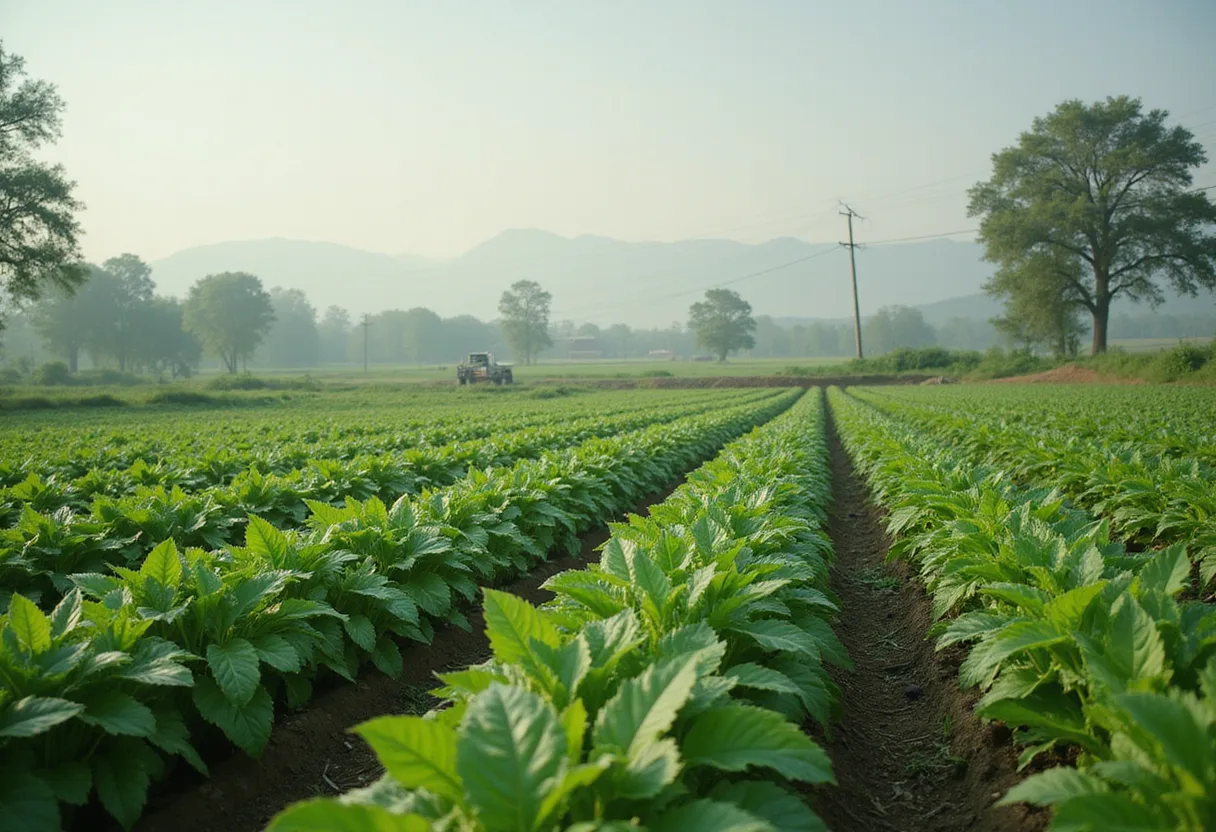
Emerging markets could reshape the future of U.S. agricultural exports, according to an analysis published by AgroLatam, which argues that fast-growing import regions are positioned to become decisive demand centers for American farm goods.
The report frames a structural question for U.S. growers, cooperatives and exporters: if population growth, rising incomes and dietary change are concentrated in developing economies, where does American farm output go over the next decade?
Why does the story matter now?
U.S. agricultural export performance has long depended on a short list of established buyers. AgroLatam's analysis points to a broader shift in the geography of demand, with emerging economies gaining weight in global import volumes for food, feed and fiber.
For row-crop and livestock producers, destination markets matter directly. They shape basis at Gulf and Pacific Northwest ports, influence crush margins for oilseed processors, and determine how much of a crop flows through export channels rather than domestic feed or fuel use.
What could change for exporters?
The analysis suggests several practical implications for the U.S. agri-food sector:
- Demand growth shifts south and east. Countries in Latin America, Asia and Africa are the likeliest sources of incremental import demand.
- Product mix may adjust. Rising middle-class consumption typically favors meat, dairy, vegetable oils and higher-value processed foods, not just bulk commodities.
- Logistics and trade policy become decisive. Reaching new markets requires port capacity, tariff treatment and phytosanitary agreements that older, established channels already provide.
The analysis treats the shift as an opportunity rather than a threat, but one that requires deliberate positioning by U.S. exporters and the public and private institutions that support them.
How solid is the underlying case?
AgroLatam's piece is an outlook, not a harvest report. Its conclusions rest on demographic and income trajectories rather than recorded trade results for a specific reporting window.
Readers should keep that distinction in mind. Forecasts of import demand are survey- and model-based estimates, and they carry wider error bands than customs data or USDA export sales reports. The direction of the argument — that emerging markets will matter more — is consistent with long-running trade patterns, but the pace remains uncertain and depends on currency movements, trade policy and competing supplier countries such as Brazil and Argentina.
What does this mean for U.S. farm margins?
If the analysis holds, growers who supply export-oriented commodities could see broader demand support, which matters in a period when input costs for fertilizer, crop protection and machinery remain elevated.
More diverse destinations can also spread risk. Concentration among a few large buyers exposes U.S. farm revenue to single-country purchasing decisions, as trade disputes in recent years have demonstrated. A wider set of emerging-market customers would soften that exposure, though it adds costs in market development, certification and logistics.
What comes next?
AgroLatam's analysis signals that the next phase of U.S. agricultural export growth will be contested in markets where competitors are already investing heavily, and the report points exporters toward building those relationships now rather than after traditional demand plateaus.
via Google News: Agricultural trade (Source)
More from Olivia Hart
Show full bio
News editor covering technology and product news in Agribusiness coverage for industry professionals at Agribusiness Wire.
420 articles
Also in the yard
- South Africa's Quarterly Farm Exports Surge, US Shipments Rise
- U.S. Farm Exports Climb 7% in 2026 Despite Trade Friction
- U.S. farm exports slide in 2025 as China purchases retreat
- US Agricultural Trade Deficit Narrows as Exports Gain Ground
- China and US Move Toward Farm Tariff Cuts in Major Win for Agricultural Trade